


Agriculture Overview
What is Agriculture?
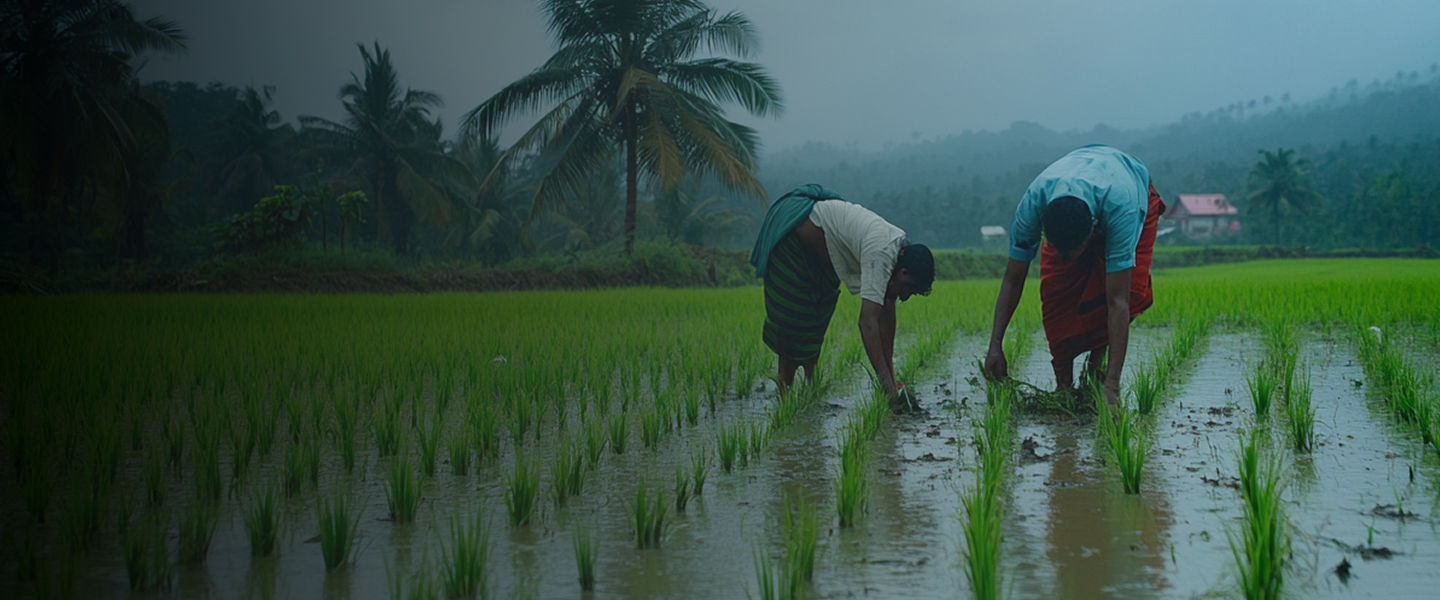
Agriculture is the process of cultivating land, growing crops, managing water and soil and producing food, fiber and raw materials for daily life. In simple words, the meaning of agriculture covers everything a farmer does, from preparing the field to harvesting the crop. A wider agriculture definition also includes irrigation, seed selection, use of fertilizers, pest control, storage, transport, farm equipment and the machinery used in field operations.
The importance of agriculture in India can be understood from the way it touches almost every household. It feeds the country, gives work to rural families, supplies raw materials to several industries and keeps local economies active in villages and towns. According to the Economic Survey summary shared by PIB, the Indian agriculture sector provides livelihood support to about 42.3% of the population and contributes 18.2% to GDP at current prices.
The agriculture sector in India is not the same in every state. A farmer in Punjab may plant wheat and paddy, while a farmer in Maharashtra may grow cotton, soybean, sugarcane, grapes or pulses. Read More
Farming Practices
Types of Agriculture in India
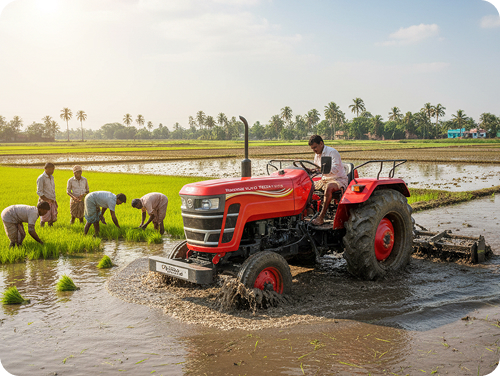
India follows many types of agriculture because land, rainfall, soil, irrigation and market demand change from region to region. The types of farming in India include traditional farming systems as well as modern, market-linked practices. Some farmers grow mainly for household needs, while others grow crops for mandis, mills, processors and exporters.

Subsistence Farming
Subsistence farming is practiced mainly to meet the food needs of the farmer’s family. It is common among small and marginal farmers who work on limited land and depend on seasonal rainfall, family labor and basic tools. Crops such as rice, wheat, pulses, millets and vegetables are often grown under this method.
Read MoreThe focus is not on large-scale sales. The farmer first keeps produce for household use and may sell extra crops in the local market. This form of farming is still important in many villages because it supports food security at the family level.

Commercial Farming
Commercial farming is done for market sale. The farmer plans the crop based on demand, price, irrigation, input cost and transport. Cotton, sugarcane, tea, coffee, spices, fruits, vegetables, oilseeds and some grains are often grown commercially.
Read MoreThis type of farming needs better planning because crop quality, harvest timing and market access matter. Farmers may use tractors, tractor implements, sprayers, harvesters and trailers to manage work faster and move produce safely.

Organic Farming
Organic farming focuses on natural ways of growing crops. Farmers use compost, green manure, crop rotation, bio-fertilizers, biological pest control and soil health practices. The use of synthetic chemicals is reduced or avoided depending on the farming method and certification needs.
Read MoreOrganic farming is gaining attention because many consumers now look for food grown through more natural and soil-conscious methods. For farmers, it can work well when there is proper knowledge, patient soil management and access to the right buyers.

Irrigated Agriculture
Irrigated agriculture depends on canals, wells, borewells, tubewells, tanks, sprinklers or drip irrigation. It allows farmers to grow crops even when rainfall is low or uneven. Wheat, sugarcane, paddy, vegetables, fruits and fodder crops often need assured water.
Read MoreIrrigation gives farmers more control over crop planning, but water must be used carefully. Methods such as drip irrigation systems, sprinklers and field levelling can reduce wastage and improve water distribution.

Dryland Farming
Dryland farming is common in areas where rainfall is low or uncertain. Farmers grow crops that can survive with less water, such as bajra, jowar, pulses, oilseeds and some hardy cereals. Soil moisture conservation, early sowing, mulching and drought-tolerant varieties are important here.
Read MoreThis type of farming is common in parts of Rajasthan, Maharashtra, Karnataka, Telangana and Madhya Pradesh. Since water is limited, crop selection and timing become very important.

Horticulture
Horticulture includes fruits, vegetables, flowers, spices, plantation crops and medicinal plants. It is useful for crop diversification and can improve farm income when market access is good. Grapes, tomatoes, onions, chilies, mangoes, bananas, citrus fruits, coconut and flowers are common examples.
Read MoreHorticulture often needs careful irrigation, pruning, spraying, harvesting and transport. Compact tractors, sprayers, drip systems and small implements are useful in many horticulture farms.
Regional Farming Zones
Region-Wise Agriculture in India
India’s agriculture varies by geography, soil type, rainfall, irrigation access and local food habits. Each region has distinct crops, farming methods and mechanisation needs.
Punjab · Haryana · Uttar Pradesh
Fertile plains and irrigation networks support wheat, rice, sugarcane, maize and vegetables. Larger machines are commonly used in plain farming areas.
- Wheat
- Rice
- Sugarcane
- Maize
Tamil Nadu · Karnataka · Kerala
Coastal belts, dryland farms and plantation zones support paddy, coconut, coffee, spices, millets, pulses and horticulture crops.
- Paddy
- Coconut
- Coffee
- Spices
West Bengal · Bihar · Odisha
High rainfall and alluvial soils support rice cultivation, jute, tea, potato and other food crops across river-fed farming belts.
- Rice
- Jute
- Tea
- Potato
Gujarat · Rajasthan · Maharashtra
Semi-arid and black soil areas support cotton, groundnut, bajra, sugarcane and horticulture, with irrigation playing an important role.
- Cotton
- Groundnut
- Bajra
- Sugarcane
Madhya Pradesh · Chhattisgarh
Black soil and mixed farming zones support soybean, wheat, pulses, cotton and rice across different rainfall and soil conditions.
- Soybean
- Wheat
- Pulses
- Cotton
Assam · Meghalaya · Manipur
High rainfall, hills and local farming systems support rice, tea, spices, fruits and horticulture crops.
- Rice
- Tea
- Spices
- Fruits
Crop Diversity
Major Crops Grown in India
India grows over 200 varieties of crops. The following are the most significant in terms of area under cultivation, economic value, and role in national food security.
Rice (Paddy)
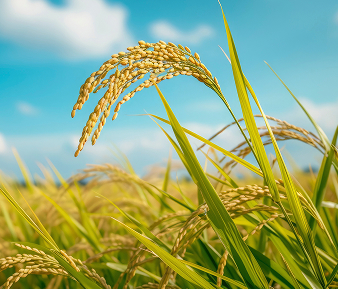
India's most important food crop. Grown across West Bengal, Uttar Pradesh, Punjab, Andhra Pradesh and Tamil Nadu. A staple crop requiring adequate water and proper field preparation for high productivity.
Explore More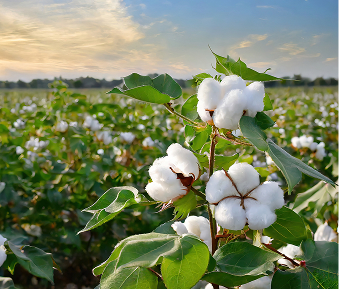
Cotton
India's leading fibre crop. Mainly grown in Maharashtra, Gujarat, Telangana and Andhra Pradesh. Essential for the textile industry and valued for its economic importance and export potential.
Explore More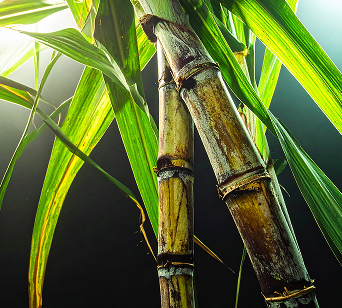
Sugarcane
A major commercial crop for sugar and ethanol production. Widely cultivated in Uttar Pradesh, Maharashtra, Karnataka and Tamil Nadu. Requires a long growing season and is one of India's highest-yielding crops.
Explore More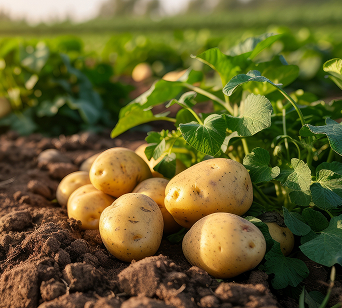
Potato
India's leading vegetable crop. Grown mainly in Uttar Pradesh, West Bengal, Bihar and Punjab. Widely used for food processing, chips and daily consumption, making India the world's second-largest potato producer.
Explore More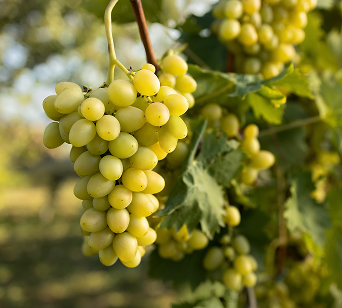
Grape
India's premium fruit crop. Primarily grown in Maharashtra, Karnataka, Telangana and Tamil Nadu. Known for fresh consumption, raisins and wine production, with exports contributing significantly to the horticulture sector.
Explore MoreCrop Calendar
Farming Seasons in India: Kharif, Rabi & Zaid
Indian farming follows seasonal crop cycles shaped by rainfall, temperature, irrigation and harvest timing.
Season 1
Kharif Season
(खरीफ)
Season 2
Rabi Season
(रबी)
Season 3
Zaid Season
(जायद)
Farm Mechanization
Agricultural Tools & Implements
Modern farm implements attached to tractors have transformed Indian agriculture — reducing drudgery, cutting input costs, and dramatically improving the speed and quality of farm operations.
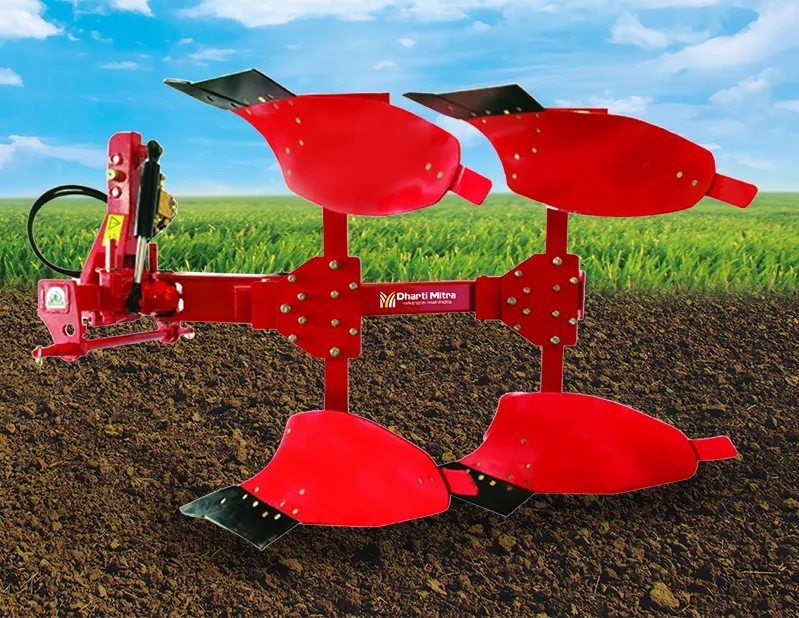
Plough
A plough turns the soil, breaks hard layers, buries weeds and prepares the field for sowing. It improves soil aeration and allows roots to grow better. Farmers use ploughs before cereals, pulses, cotton, sugarcane and many other crops.
View Mahindra Plough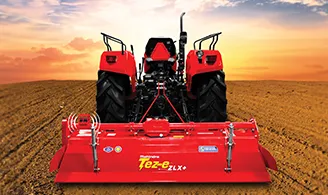
Rotavator
A rotavator breaks soil clods and creates a fine seedbed. It is useful before sowing wheat, vegetables, pulses and several field crops. When used correctly, it can reduce repeated field passes and save time.
View Mahindra Rotavators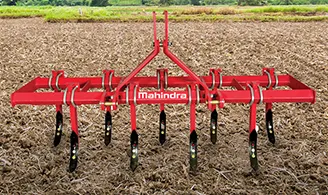
Cultivator
A cultivator loosens soil and removes weeds. It is useful for inter-cultivation in crops such as cotton, sugarcane, maize, pulses and vegetables. Cultivators also allow air and water to move better through the soil.
View Cultivators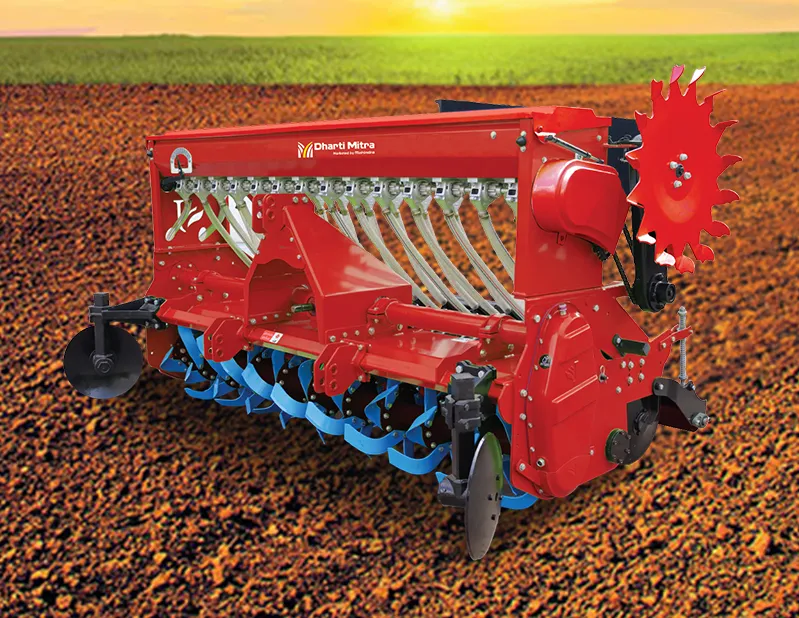
Seed Drill
A seed drill places seeds at a uniform depth and spacing. This reduces seed wastage and improves germination. It is commonly used for wheat, pulses, oilseeds and other crops where proper spacing matters.
Seed Drill Options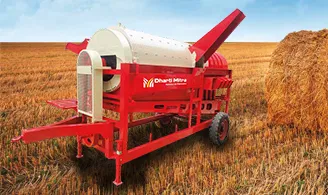
Thresher
A thresher separates grain from harvested crop material. It reduces manual effort and speeds up post-harvest work. Wheat, paddy, pulses and other crops can be processed using suitable threshers.
View Mahindra Thresher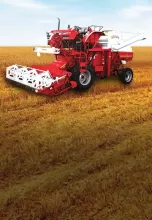
Harvester
Harvesters are used for cutting and collecting crops. Some machines also thresh the crop. Harvesters are useful when a large area has to be harvested quickly, and weather changes may affect crop quality.
View Mahindra HarvesterInnovation in Farming
Modern Farming Techniques for Better Productivity
Modern farming techniques are changing the way farmers manage land, water, seed, labour and machinery. These new farming methods do not replace farmer experience. They add better tools and information to the knowledge farmers already have.
Precision Farming
Precision farming uses field data, weather information, sensors, maps and observation to apply water, fertilizer and crop protection more carefully. The aim is to use the right input at the right place and time. Read More
Drip Irrigation System
A drip irrigation system supplies water near the root zone. It can reduce water wastage and improve moisture management when designed and maintained properly. It is commonly used in vegetables, fruits, sugarcane, cotton and other crops. Read More
PIB’s Economic Survey-related release highlights the need for better water use and mentions technologies such as drip and fertigation. It also notes that irrigation efficiency is around 30-40% for surface water and 50-60% for groundwater in India.
Soil Management
Soil management includes soil testing, balanced fertilization, organic matter addition, crop residue management and crop rotation. Healthy soil holds water better, supports root growth and improves nutrient availability. Read More
Crop Rotation
Crop rotation means growing different crops one after another on the same land. For example, a cereal crop may be followed by a pulse crop. This can improve soil fertility, reduce pest pressure and spread farming risk. Read More
Pulses are especially useful in rotations because many pulse crops add nitrogen to the soil. Crop rotation also prevents the field from depending too heavily on one crop.
Digital Farm Management
Digital tools can give farmers weather updates, crop advisories, market prices, pest alerts, machinery booking options and soil health records. These tools are useful when farmers combine them with local experience and field observation.
Better Seed and Crop Planning
The right seed variety can make a big difference. Farmers should choose seeds based on climate, soil, irrigation and local recommendations. Crop planning also includes sowing time, spacing, irrigation schedule and harvest planning. Read More
Modern farming works best when farmers choose what suits their land. Not every farm needs every machine or technology. A farmer may start with soil testing and a better seed drill, then later adopt drip irrigation, digital advisories or precision tools.
Farmer Realities
Key Challenges in Modern Agriculture
Indian farmers deal with many challenges in agriculture. These problems are not the same everywhere, but some issues are common across crops and regions. Understanding problems faced by farmers in India is necessary because farming decisions depend on weather, water, labor, input cost and market price.
Labor Shortage
Farm labor is not always available during peak season. Sowing, weeding, spraying and harvesting need timely work. If labor is delayed, the crop can suffer. Mechanization through tractors, seed drills, sprayers, threshers and harvesters can reduce this pressure.
Rising Input Costs
Seeds, fertilizers, diesel, electricity, crop protection products, labor and machinery maintenance add to cultivation costs. Farmers need to use inputs carefully. Soil testing, proper irrigation, crop rotation and suitable machinery can reduce wastage.
Water Scarcity in Agriculture
Water scarcity in agriculture is a major concern in many regions. Uneven rainfall, falling groundwater levels and inefficient irrigation can affect crop growth. Farmers may need drip irrigation, sprinklers, mulching, farm ponds, land levelling and water-saving crop choices.
Climate Change Farming
Climate change farming challenges include irregular rainfall, heat stress, floods, droughts and changing pest patterns. These issues can affect sowing dates, crop duration, yield and quality. Farmers need weather-based advisories, resilient varieties, better drainage and crop diversification.
Small Landholdings
Many Indian farmers work on small or fragmented plots. This can make irrigation, machinery use and storage difficult. Compact tractors, custom hiring centres, shared machinery and crop-specific implements can make operations more manageable.
Market Uncertainty
Farmers often face price changes after harvest. Lack of storage, transport and market information can reduce returns. Better grading, storage access, farmer groups and digital price information can improve selling decisions.
Soil Degradation
Continuous cropping, erosion, low organic matter and unbalanced nutrient use can reduce soil productivity. Soil testing, residue management, compost use and crop rotation are important for long-term farming.
Knowledge Access
Modern agriculture needs updated information on seeds, pests, machinery, subsidies, irrigation and markets. Agriculture blogs, agriculture videos, government advisories, local training and dealer support can make this information easier to access.
The issues in Indian agriculture cannot be solved with one answer. Farmers need a mix of reliable machinery, better water use, timely advice, market access and crop planning.
Farm Power
Role of Tractors in Agriculture
The role of the tractor in farming has become very important because a tractor can work across many stages of the crop cycle. Earlier, many operations depended on manual labor and animal power. Today, tractors are used for land preparation, sowing, crop care, harvesting and transport..

Farm Power Solutions
Tractors Power Every Stage of Indian Farming
From first tillage to final transport one machine, endless farm roles

Land Preparation
One of the main uses of a tractor in agriculture is land preparation. Tractors operate ploughs, rotavators, cultivators, harrows and levelers. These tools break soil, remove weeds, improve aeration and prepare a better seedbed.

Sowing and Planting
Tractors can operate seed drills and planters for better seed placement. Uniform sowing reduces seed wastage and gives the crop a better start. This is useful for wheat, maize, cotton, pulses, oilseeds and many other crops.

Crop Care
Tractor uses farming activities include spraying, fertilizer spreading, weeding and inter-cultivation. Tractor-mounted sprayers cover larger areas faster. Cultivators and weeders support crop care between rows.

Irrigation Support
Tractors also support irrigation work indirectly. They can be used for land levelling, water channel preparation and movement of irrigation equipment. In some farms, tractors move water tanks or pumps.

Harvesting and Threshing
During harvest, tractors can pull or power reapers, threshers and other machines. This reduces the time needed for post-harvest work. Faster harvesting is useful when the weather changes can damage the crop.

Transport
Transport is one of the biggest benefits of tractors. Farmers use tractor trolleys to move seeds, fertilizers, harvested crops, fodder, implements and farm material. A tractor supports both field work and movement outside the field.

Implement Compatibility
A tractor becomes more useful when paired with the right implements. Ploughs, rotavators, cultivators, seed drills, sprayers, trailers and threshers extend their use across the full farming cycle.
Trusted by Indian Farmers
Why Choose Mahindra Tractors for Farming?
Indian farming needs tractors that can work across changing field conditions, crop types and daily farm operations. From soil preparation and sowing to haulage and post-harvest movement, the right tractor should support farmers through different stages of the crop cycle.
Mahindra tractors are designed to suit varied Indian farm requirements, including small landholdings, large fields, orchards, dryland farms and wet farming areas. The range gives farmers options based on horsepower, usage, implement needs, comfort and long-term service support.
Options available for different land sizes and crop requirements
Useful for ploughing, puddling, sowing, haulage and field preparation
Supports commonly used farm implements and attachments
Built to handle regular farm workload across seasons
Service and spare parts support available through a wide network
Mahindra Tractor Range
Find the Right Tractor for Your Farm
Choosing the best tractor for farming starts with understanding your everyday farm needs. Land size, soil type, crop pattern, irrigation method, haulage work, field width, implement usage and budget all play an important role in selecting the right tractor.
Compare 2WD and 4WD Options
Farmers comparing tractors for a small farm in India or deciding which tractor to buy in India should also compare 2WD and 4WD tractors.
2WD
2WD tractors are suitable for many regular farming jobs such as cultivation, sowing, spraying and transport.
4WD
4WD tractors can offer better traction in wet, uneven or heavy field conditions, making them useful for farms that need stronger grip and pulling power.
Choose by Farm Type
For small farms, orchards and vegetable plots
Mahindra Yuvraj, Mahindra JIVO and Mahindra OJA tractors are built for compact farming needs. They support narrow-field operations, inter-row work, horticulture tasks and lighter farm applications, helping farmers work efficiently in smaller spaces.
For medium farm operations
Mahindra YUVO Tech+, XP Plus and SP Plus tractors are designed for regular farm activities such as tillage, sowing, spraying and transport. These tractors support dependable day-to-day performance across multiple crops and farming conditions.
For larger farms and heavy-duty work
Mahindra Arjun and Mahindra NOVO tractors are built for demanding field operations, larger implements, bigger land parcels and stronger haulage needs. They give farmers the power and capability required for heavy-duty farming applications.
Select by HP Range
15–25
HP RANGE
Compact & Mini
Suitable for compact farming, orchards, vegetable plots and horticulture.
Mahindra YUVRAJ →26–40
HP RANGE
Mid-Range
Suitable for small to medium farms with regular tillage, sowing and haulage needs.
Mahindra JIVO / OJA →41–55
HP RANGE
Utility
Suitable for utility operations, larger implements and multi-crop farming.
Mahindra 575 / YUVO →56–75+
HP RANGE
Heavy Duty
Suitable for heavy-duty farming, large fields, strong haulage and bigger implements.
Mahindra ARJUN / NOVO →Knowledge Hub
Agriculture Blogs
The Agriculture blogs section can keep farmers engaged after they read the main page. It can include farming tips, agriculture information, crop farming guide content, government schemes farmers may explore, subsidy information, irrigation planning and seasonal crop advice.
10 Key Government Schemes for Indian Agriculture Farmer in 2025
Learn about the latest government schemes available for Indian farmers in 2025, covering loans, insurance, irrigation, subsidies and welfare initiatives to support sustainable agriculture.
Read More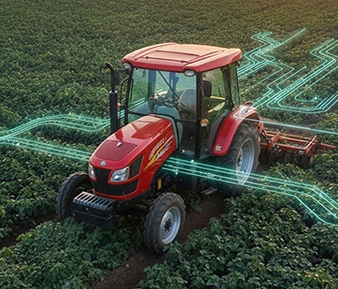
AI in Indian Agriculture: Transforming Farming with Smart Technology :
How is AI transforming Indian agriculture? Explore how smart technologies are helping farmers improve productivity, optimize resources and make data-driven farming decisions.
Read More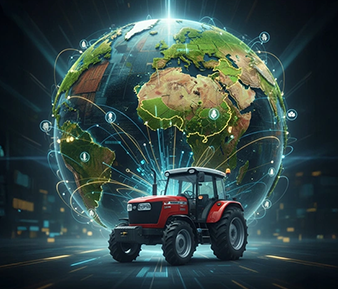
Top 10 Agricultural Producing Countries in 2025 – Trends & Insights
Explore the top agricultural producing countries in 2026, their leading crops, production strengths and the key trends shaping global agriculture and food security.
Read MoreVisual Learning
Agriculture Videos
Agriculture videos are useful for farmers who prefer watching field demonstrations. Farming videos in India can show tractor use, implement attachment, land preparation, spraying, harvesting and maintenance.
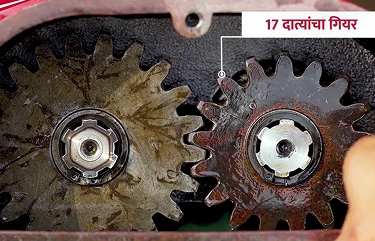
How to change Rotavator gear pair to match Tractor and Rotavator RPM
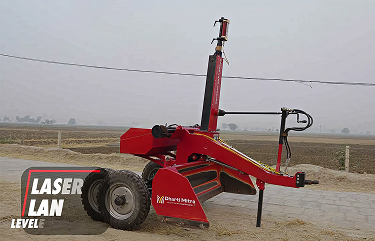
Mahindra Laser Land Leveler | Dharti Mitra
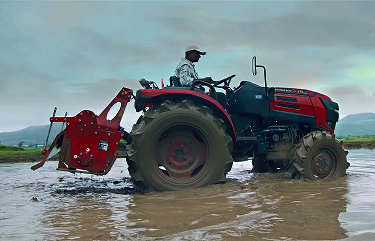
Mahindra OJA Tractor Series | ROBOJA Automation Tech Pack
Real Farmer Experiences
What Farmers Say About Mahindra
A farmer testimonial section can build trust by showing real voices from the field.

“Mahindra helps me finish land preparation and haulage on time during busy seasons. It works well with the implements I use regularly, which makes farm work more manageable.”

Verified Mahindra tractor owner
Punjab
“For orchard and vegetable work, a compact tractor is useful because it can move in tighter spaces and support spraying, transport and other regular farm tasks.”
Horticulture farmer
Maharashtra
“While handling crops such as sugarcane or cotton, tractor power and trolley support make a big difference. A Mahindra tractor helps move produce from the field to storage or collection points more easily.”
Commercial crop farmer
Uttar Pradesh
“Buying a tractor is a long-term decision. Easy access to service, genuine parts and dealer support gives farmers confidence after purchase.”
Multi-crop farmer
Karnataka
Agriculture FAQs: Quick Answers for Indian Farmers
What is agriculture and why is it important in India? +
Agriculture is the cultivation of land, crops and allied farm produce for food, fibre and raw materials. It is important in India because it supports food security, rural livelihoods, agro-based industries and the economy. According to the PIB, agriculture supports about 42.3% of India’s population and contributes 18.2% to GDP at current prices.
What are the three farming seasons in India? +
The three farming seasons in India are Kharif, Rabi and Zaid. Kharif crops are linked to the monsoon, Rabi crops grow during winter, and Zaid crops are grown in summer between Rabi harvest and Kharif sowing. Rice, wheat, cotton, gram, mustard, watermelon and vegetables are common examples.
What is the role of farm implements in modern agriculture? +
Farm implements support land preparation, sowing, crop care, irrigation, harvesting and transport. Ploughs, rotavators, cultivators, seed drills, sprayers, threshers and trailers reduce manual effort and save time. When matched with the right tractor, they make field operations faster and more consistent.
How can farmers increase crop productivity? +
Farmers can increase crop yield through timely sowing, improved seeds, soil testing, balanced fertilisation, efficient irrigation, crop rotation, pest monitoring and suitable mechanisation. Modern farming techniques such as drip irrigation, precision farming and digital advisories can also improve farm output when used according to local conditions.
Which farming method is most profitable in India? +
No single farming method is most profitable for every farmer. Profit depends on land size, soil, water, crop choice, input cost, market access and storage. Commercial farming, horticulture, organic farming and integrated farming can perform well when planned according to local demand and available resources.
What are the challenges faced by Indian farmers today? +
Indian farmers face labour shortage, rising input costs, water scarcity, climate change, small landholdings, pest attacks, market price changes and storage gaps. These challenges in agriculture can affect productivity and income. Better crop planning, mechanisation, efficient irrigation and timely information can reduce some of these risks.
How does climate change impact agriculture? +
Climate change can affect agriculture through irregular rainfall, heat stress, droughts, floods, changing pest patterns and shifts in crop duration. These changes may affect sowing, irrigation, yield and quality. Farmers can respond through resilient varieties, water-saving methods, better drainage and weather-based advisories.
What is the future of agriculture in India?? +
The future of agriculture in India will be shaped by mechanisation, digital tools, sustainable agriculture, efficient irrigation, crop diversification, storage, market linkages and farmer training. Precision farming, soil health data, drones, compact tractors and better advisory systems may become more common across Indian farms.
How can digital technologies improve farm management? +
Digital technologies can improve farm management through weather alerts, pest warnings, soil health records, irrigation advice, market prices, machinery booking and crop planning. They allow farmers to make timely decisions. Digital tools work best when used along with field observation and local expert advice.
Are there any government subsidies available for farm equipment and tractors? +
Government subsidies may be available for farm equipment, tractors, irrigation, drones or other agricultural needs, depending on state rules, scheme guidelines, farmer category and eligibility. Farmers should check official government portals, local agriculture offices or authorised dealers before making a purchase decision.
What is the future of tractors in agriculture? +
The future of agricultural tractor use will include fuel-efficient models, 4WD options, compact tractors, stronger implement compatibility, better operator comfort and digital features. Farmers may choose tractors by crop type, land size, soil condition, haulage need, service access and long-term operating value.


 खुश नहीं
 बेहतर हो सकता था
 कोई बात नहीं
 अच्छा
अच्छा उत्कृष्ट