


Potato Farming in India
Learn the essentials of potato farming in India, with the following practical steps on soil preparation, seed, irrigation and storage. Here we will also discuss ways to raise yields, reduce losses and increase market value for your agricultural productions.
Introduction to Potato Farming
Discover how India’s most important vegetable crop grows from seed tubers into one of the most versatile foods.
The growth of the Solanum tuberosum plant for its edible tubers is referred to as potato farming. These potatoes are not cultivated using botanical seeds, but they are used as ‘seed potatoes’ that can be the tubers or a cut portion of a potato containing buds.
They sprout into plants that root in the soil and allow space to grow new tubers. The potato farming process requires proper preparation of the soil, effective irrigation, balanced nutrition and preventive measures against pests and diseases.
India cultivates numerous varieties of potatoes, though there are three that have gained significance in their flexibility, productivity and final product.
One of the most popular types of table varieties is Kufri Jyoti, which is appreciated due to its early maturity. Kufri Bahar, which is a particularly popular type in the northern states. Kufri Chipsona is a set of varieties that includes Chipsona-1, Chipsona-2, and Chipsona-3. The varieties of these potatoes boast of high dry matter and low sugar content, which makes them suitable for making chips, French fries, and other processed foods.
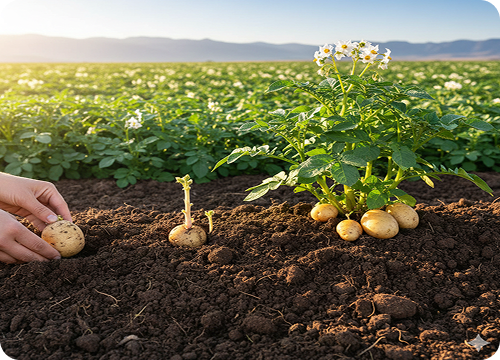
Importance of Potato Farming
Potatoes drive India’s growth by nourishing people, empowering farmers, and boosting the food industry.
Potato is the most significant vegetable crop in India, which is grown by small and big commercial farmers
Nutrition and Food Security
Potatoes contain huge quantities of carbohydrates and considerable quantities of vitamin C, potassium, as well as dietary fibres. They are an affordable and readily available source of calories and enhance food security in rural and urban households.
Farmer Crop and Income Diversification
Potatoes have greater returns per unit area than other vegetables. They enable the farmers to diversify beyond cereals or other low-value crops, enhancing the income of the household. Increased profitability is also achieved through the adoption of better varieties and the availability of processed food markets.
Industrial and Processing Use
Potatoes are a very important raw material in India's food processing industry, which manufactures chips, French fries, starch and flakes among others. This increasing pressure reinforces the agricultural supply chain, favours cold storage facilities, and creates rural jobs.
Genetic Diversity
The diversity available in the potato varieties offers a rich genetic resource. New crops can be grown from these different varieties, and these can resist diseases, ever-changing environmental conditions and pests. Moreover, the crops also develop climatic resilience.
Potato Farming Cultivation Process
The journey from seed tuber to harvest depends on careful soil work, timely planting and precise irrigation.
The potato cultivation process is divided into three crucial steps: Land preparation, seed tubers and sowing, as well as irrigation management. Here, each of them is discussed:
1. Land Preparation
Potatoes need a prepared field since the crop develops underground tubers, requiring loose and aerated soil and proper drainage. Proper preparation increases the use of nutrients while preventing waterlogging situations.
- Primary tillage begins with thorough ploughing to a depth of approximately 25- 30 cm. This disrupts compact layers of soil, introduces crop residues or organic matter and increases soil aeration.
- The secondary tillage phase incorporates lighter and less deep tasks after primary tillage. It improves the soil structure and forms a fine and smooth seedbed for planting.
- Lastly, grading the field gives the irrigation water the ability to move evenly over the area, without stagnant areas and ensures sufficient water usage.
2. Seed Selection
Healthy seed tubers are the foundation of an ideal potato crop. Their quality, preparation and planting method directly affect the sprouting and final yield.
- Select healthy and disease-free tubers or cut pieces of seed of about 25-50 grams.
- With tubers larger in size, each piece should have at least one bud. Before planting, use a fungicide on the cut surfaces to avoid infection
- Wet the seed pieces using a recommended fungicide solution to prevent their rotting and attack by soil-based diseases during the early stages of growth.
3. Sowing Methods
Careful sowing methods help to maintain proper and quicker growth. The germination process also becomes smooth.
- Keep the seed tubers in a cool, well-ventilated and shaded place until short sprouts grow. The process enhances quicker and even germination in the field.
- Seed tubers should be planted at a depth of 10-15cm and spaced out between 20-30 cm between plants, and 60 cm between rows.
- The standard rate of spacing is 3.0-3.5 tonnes of seed tubers per hectare on average.
4. Irrigation Management
Water plays a critical role in potato farming, since the crop is highly sensitive to both drought and excess moisture.
- Perform the first irrigation 5 - 7 days after sowing if soil moisture is inadequate, so that sprouts can emerge without stress.
- Maintain regular soil moisture during tuber initiation and bulking, as water shortage at these stages extensively reduces yield and tuber size. You may stop irrigating 10-15 days before harvest to allow the soil to dry, strengthen the tuber skin and make lifting easier.
- On sandy soils, irrigation may be required every 7 - 8 days. On the other hand, heavier soils may need less irrigation because they can retain moisture for a longer period. Drip system saves about 30 - 50% of water, improves tuber size uniformity, and reduces the spread of foliar disease by avoiding leaf wetting.
5. Fertilization
Potato fertilisation mainly depends on phosphorus and potassium. Other than that, manure and compost are also important.
- Apply potassium and phosphorus fertilisers during sowing time. A total of three-quarters of the total nitrogen fertiliser should also be applied
- The use of compost or well-decayed manure in the farmyard improves soil fertility, increases microbial activity, and improves moisture retention.
6. Pest & Disease Management
Monitoring and assessing field conditions are higly important for successful pest management. Other than that, a few biological and mechanical controls can also be implemented.
- Use methods like collecting, removing, and damaging infested plants. Use sticky traps for flying insects.
- Use pheromone and light traps to capture adult moths and nighttime insects, respectively.
- Conserve and grow beneficial insects. There are several biopesticides extracted from natural components like neem, which can also be helpful.
7 .Harvesting & Post-Harvest
The harvesting time also plays a significant role in the entire farming process. Here are a few crucial aspects to follow:
- As soon as potatoes become mature, harvest them. Or else, tubers stand a chance of high infection if they are in the ground for a prolonged time.
- During harvest, handle tubers softly and gently so that there is no significant damage. As a result, you can stop the entry points for diseases such as soft rot and Phoma.
- Testing the harvested tubers will be the best thing to do for disease identification. Also, it is crucial to follow appropriate storage suggestions.
Right Time and Soil for Potato Farming
Soil texture, pH and regional climate define when and how potatoes thrive across India.
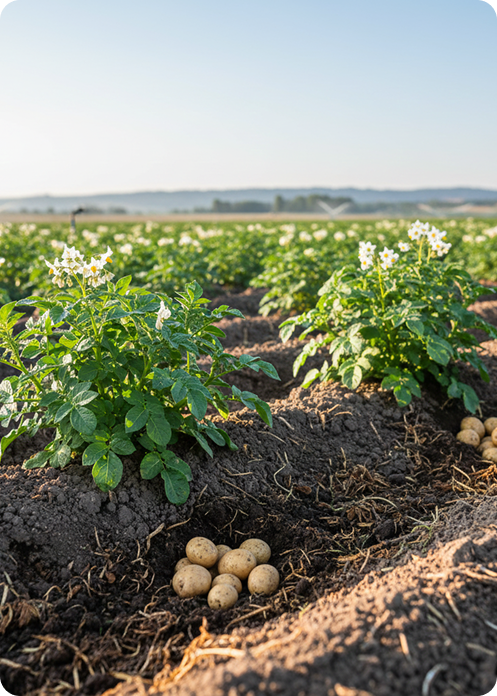
Ideal season for Potato Cultivation
Cultivation of potatoes is closely tied to the climate, since the crop requires cool temperatures and a frost-free environment for healthy growth. The specific timing of potato planting methods depends on the region. Some of the popular places include:
- Northern Plains (Indo-Gangetic belt): Potatoes are usually grown in the Northern Plains between mid-October and early November and harvested during the months between January and March. During this season, the weather in the region is cool with mild days and nights, and this period is considered the ideal season for tuber development.
- Hilly Regions: The farmers in the Hilly Regions have a longer growing window as summers are cooler. Planting of spring crops usually takes place in January or February, and at higher altitudes, summer crops can be planted in May.
- Plateau and Peninsular Areas: Potatoes can also be grown in the monsoon season in regions with short or mild winters. In the Plateau and Peninsular regions, irrigation for potatoes often relies on furrow or drip methods to maintain steady soil moisture.
- By Variety: Planting of early-maturing varieties is done at the end of September till early October, medium-duration varieties at mid-October and late-maturing varieties until the start of November.
Soil Requirements for Potato Farming
Potato thrives best in cool climates and loose, well-drained soils rich in organic matter for healthy growth and high yields.
- The crop grows in well-drained soil with light and friable soil. Sandy loam and medium loam are thought to be the best ones as they do not deform the tubers and allow aeration.
- The high organic matter fields yield to healthy plants and higher yields. Soils with high saline levels, heavy clays or poorly drained land should be avoided as they will inhibit root growth and encourage diseases.
- Potatoes grow in moderately acidic soils. A pH of 4.8 to 5.4 tends to produce high-quality tubers and excellent storability in Indian conditions.
- The crop can grow at a pH of 5.5 to 7.0, but increasing the acidity level beyond this range can lead to uptake of nutrients and plant wellbeing is compromised.
Weather Conditions
- Potatoes are cool-season crops.
Potatoes are cultivated in moderately cool climates. Ideal conditions are a temperature of 24 °C for vegetative growth and a higher temperature of around 20°C for tuber formation.
- Extreme weather kills the crop.
Extreme frost kills foliage, and heat slows down or decreases the growth of tubers. The potato crop in India grows within a broad altitude range, from sea level up to approximately 3,000 meters (depending on the local weather conditions).
- Soil moisture is important.
Potatoes need constant soil moisture for growth, particularly at the tuber initiation stage. Meanwhile, excess water is extremely harmful, resulting in rot and fungus. Therefore, farmers prepare the land in ridges or raised beds as these potato harvesting techniques improve drainage and keep the soil well aerated.
- Humidity can be helpful, but also harmful.
Long spells of rain or humid weather conditions for a prolonged period can cause soft rots. The best way is to space out the rows for proper airflow, avoid nitrogen, and irrigation should be done during the morning. Also, strong ridges can be built and maintained so that water drainage is smooth after the rains.
Traditional Vs Modern Potato Farming
Potato farming has evolved from traditional methods relying on natural resources to modern practices driven by technology, improved seeds, and scientific management for higher yields and quality.
What is Traditional Potato Farming?
The traditional potato farming process relies on hard labour, natural soil, and weather. Although this system can reduce the costs and maintain the soil health, the yields are generally smaller and depend on the weather and the soil conditions.
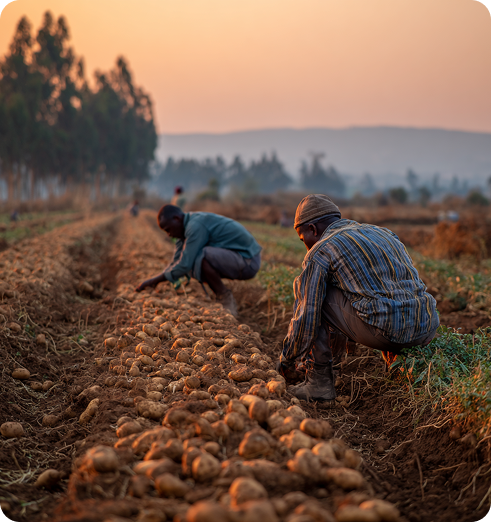
- Manual land preparation: Bullocks are used to plough the fields, or the work is done using hand tools, and then the ridges and furrows are created manually where the plants are to be planted.
- Enriching the organic soil: This is done by farmers using farmyard manure and compost, as well as green manure, in order to preserve the fertility of the soil rather than using chemical fertilisers.
- Native seed tubers: Tubers preserved by former harvests are reused, and this saves the cost but exposes them to more risk of pests and diseases.
- Irrigation that is dependent on rain: Most conventional farms are dependent on rainfall or simple irrigation techniques such as field channels or shallow wells, as a result of which water is not evenly distributed.
- Intensive labour: It is all a manual process, including planting, weeding, earthing-up, harvest picking, and it uses lots of labour on the part of the family.
- Low and erratic yields: The yields vary between 8 and 12 tonnes per hectare, which is far below the current yields, and are primarily affected by the state of the soil and rainfall.
What is Modern Potato Farming?
Modern potato farming revolves around mechanisation, scientific management of crops and the use of improved varieties to get a higher productivity and efficiency. This practice is typical of the areas that grow potatoes towards commercial markets and is gradually growing in India.
- Mechanised land preparation: Bullock ploughs have been replaced by tractors that have rotavators, harrows, and planters. These are machines that make the soil ready in a short time and produce fine seedbeds.
- Cultivation of certified seed tubers: Farmers apply certified seed that is disease-free and of high quality and bred to produce high yield, resistance to pests and fit the processing industries like chips and fries.
- Scientific nutrient management: Fertilisers are sprayed in equal amounts depending on the result of soil tests. Micronutrients like zinc or boron are added to supplement nutrients like nitrogen, phosphorus, and potassium.
- Effective irrigation systems: Water is evenly distributed by sprinkler and drip irrigation technology and the consumption is cut down by 30–50% as compared to the conventional techniques.
- Mechanised harvesting: Modern harvesters extract potatoes from the soil with minimal damage, which saves labour costs and losses after harvesting to a great extent. Also, mechanised harvesting is more efficient and faster compared to manual methods.
- Post-harvest processing and storage: Following the harvesting period, the tubers are graded and stored in temperature-controlled cold storage facilities. Subsequently, proper storage maintains quality, increases shelf life as well and allows farmers to control market supply more efficiently.
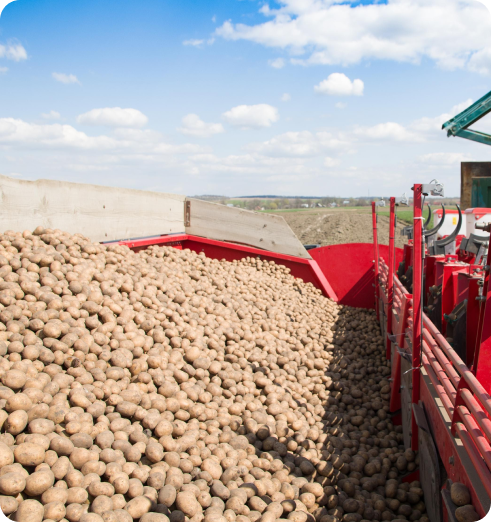
Requirements for Modern Potato Farming
Difference Between Traditional & Modern Potato Farming
| Aspect | Traditional Potato Farming | Modern Potato Farming |
|---|---|---|
| Land Preparation | Land is ploughed with bullock-drawn implements. Ridges and furrows are shaped by hand, making the process slow and uneven. | Tractors with rotavators and harrows prepare the soil quickly. Planters and ridgers ensure uniform depth and spacing. |
| Seed Material | Tubers are saved from the previous harvest. They cost less but often carry health concerns and degenerate over time. | Certified seed tubers, mainly Kufri varieties, are purchased. They are less risky, high-yielding, and uniform in sprouting. |
| Fertilisation | Nutrients come mainly from farmyard manure or compost. The supply is unbalanced and often insufficient for high yields. | Fertilisers are applied based on soil tests. Balanced doses of nitrogen, phosphorus, potassium, and micronutrients ensure proper nutrition. |
| Irrigation | Farmers depend on rainfall or simple channels from wells or tanks. Water supply is irregular, and crop stress is common. | Scientific systems such as drip and sprinkler irrigation maintain steady soil moisture and allow fertigation. |
| Weed & Pest Control | Weeding is done manually with hand tools. Pest and disease control is minimal, often limited to traditional methods. | Herbicides reduce labour for weeding. Fungicides and integrated pest management protect against blight and insect pests. |
| Harvesting | Tubers are dug by hand using hoes or spades. This is labour-intensive and often damages potatoes. | Mechanised harvesters lift tubers quickly and cleanly, which helps to reduce losses and the requirement for intense work. |
| Yield | Output averages 8–12 tonnes per hectare. Yields are unstable and depend heavily on rainfall and seed quality. | Output averages 20–25 tonnes per hectare. Yields are consistent, with uniform tuber size and quality. |
| Economics | Input costs are low, with reliance on family labour and farm manure. Income is modest and suited mainly for household needs. | Input costs are higher due to machinery and inputs, but market returns are greater. This outcome supports both fresh sales and processing demand. |
Best Suitable Tractors for Potato Farming
Tractors and implements simplify planting, harvesting and field maintenance.
The most suitable tractors for potato farming have the combined precision in planting and harvesting. Along with that, this equipment also has the power for soil preparation and versatility for various field conditions. In this area, Mahindra Tractors excel by offering a wide range of models and implements specifically designed to improve all aspects of potato farming. But before discussing tractors to look for, let’s have a look at the necessities of potato farming.
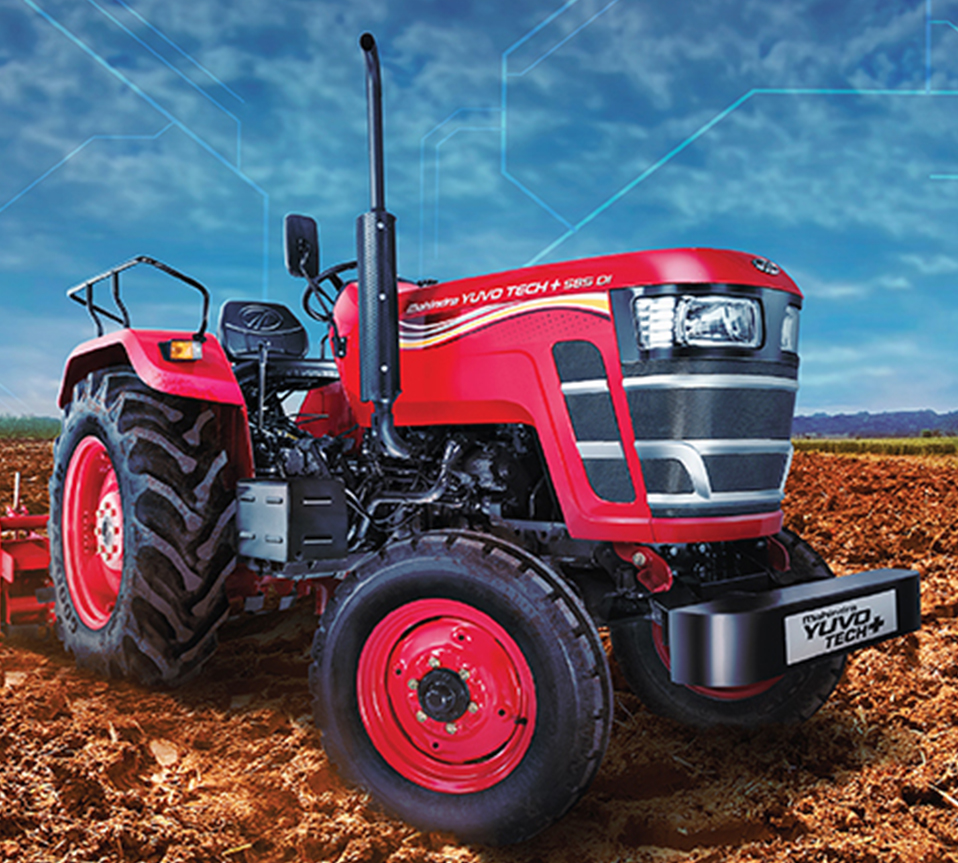
Mahindra 585 YUVO TECH+
Mahindra 585 YUVO TECH+ has a 4-cylinder ELS DI engine with good power and fuel efficiency. Read More
Explore More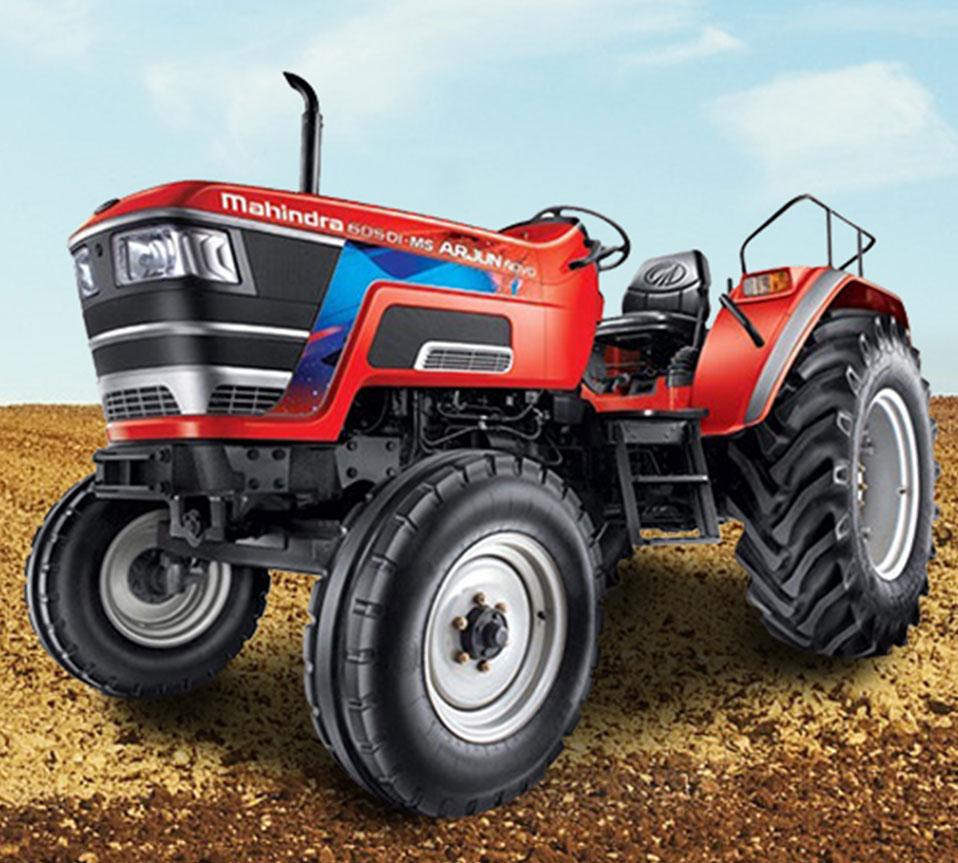
Mahindra NOVO 605 DI PS V1
Mahindra NOVO 605 DI PS V1 is powered by a 4-cylinder engine with an approximate power of 41.6 HP and a constant-mesh transmission. Read More
Explore More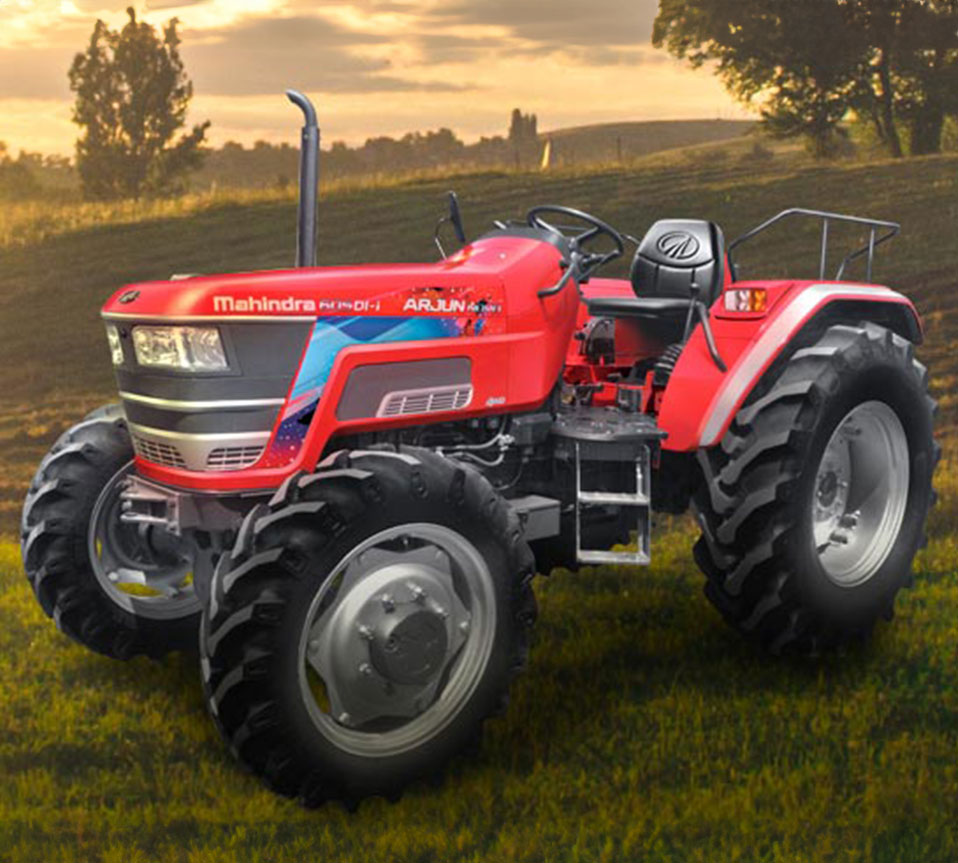
Mahindra NOVO 605 DI 4WD V1
Mahindra NOVO 605 DI 4WD V1 has a powerful engine with 4 cylinders, 4-wheel drive and high torque value. Read More
Explore More
Mahindra NOVO 605 DI V1
Mahindra NOVO 605 DI V1 comes with a 4-cylinder engine, side-shift gearbox and power steering to enhance control. Read More
Explore More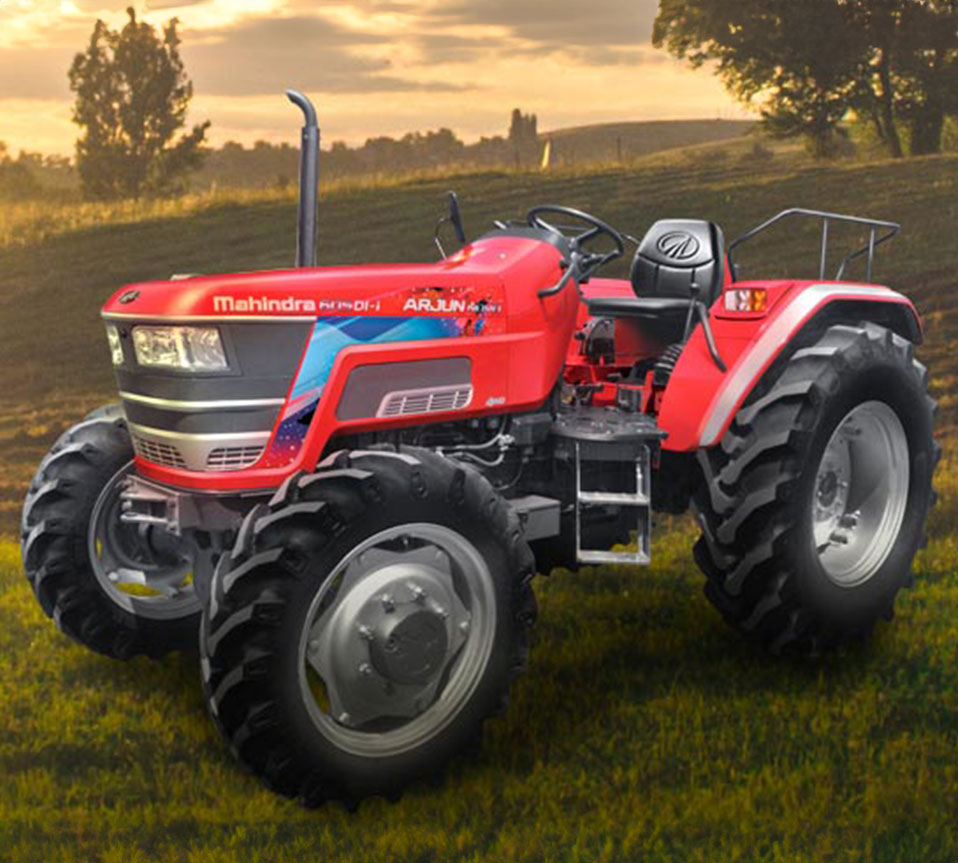
Mahindra NOVO 605 DI PP V1
With a 4-cylinder engine and high-tech hydraulics, Mahindra NOVO 605 DI PP V1 delivers high horsepower. Read More
Explore More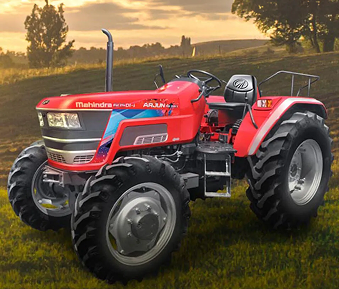
Mahindra NOVO 655 DI PP V1
Mahindra NOVO 655 DI PP V1 is powered by a 4-cylinder engine that produces about 68 HP. Read More
Explore More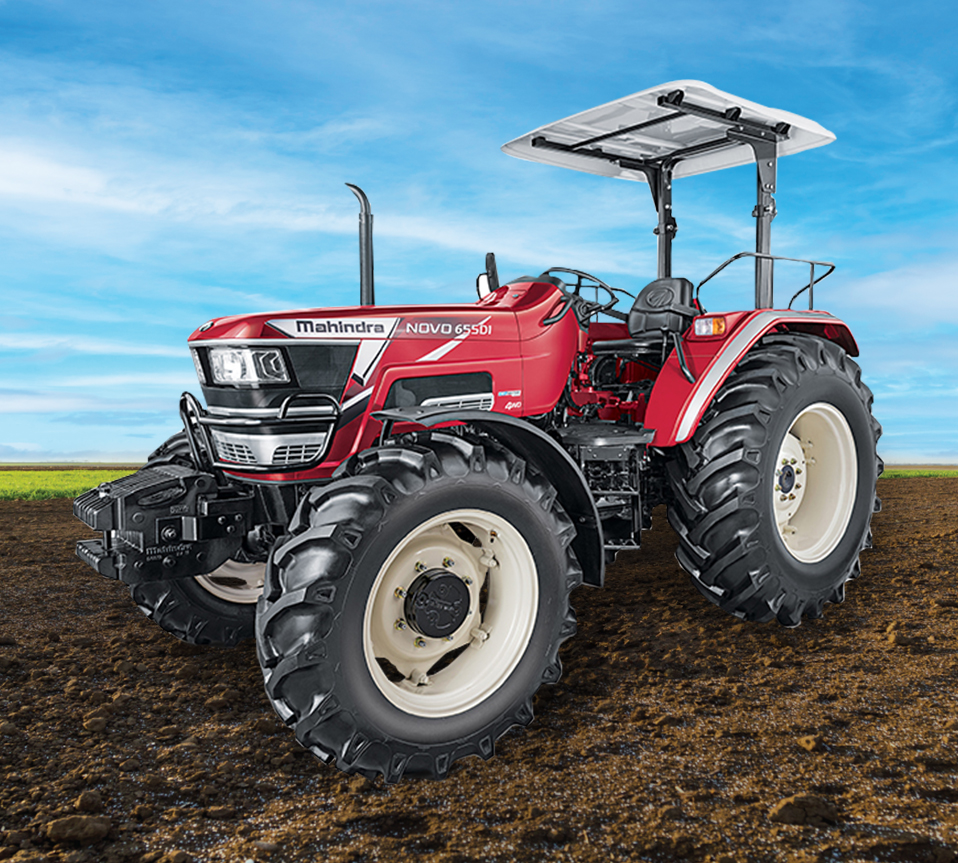
Mahindra NOVO 655 DI PP 4WD V1
Mahindra NOVO 655 DI PP 4WD V1 is a 4-cylinder-powered vehicle with a 4WD system to ensure better traction. Read More
Explore More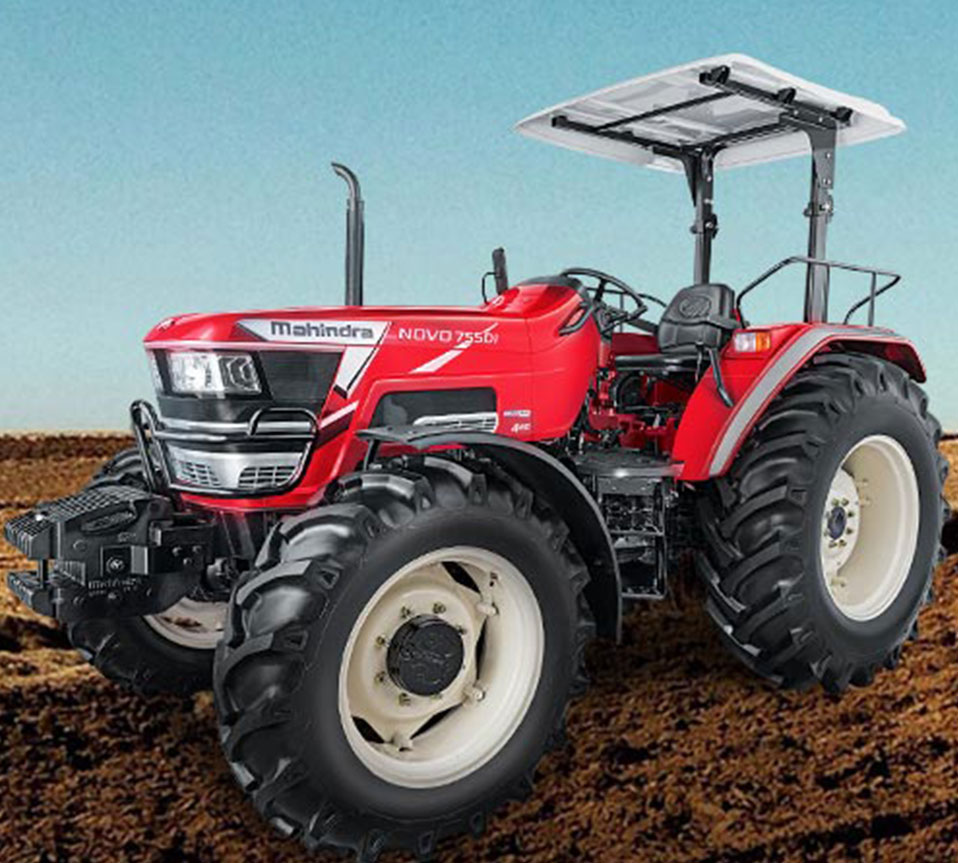
Mahindra NOVO 755 DI PP 4WD V1
Mahindra NOVO 755 DI PP 4WD V1 is a powerful tractor that can be used in challenging agricultural situations. Read More
Explore MoreMahindra 585 YUVO TECH+ has a 4-cylinder ELS DI engine with good power and fuel efficiency. It has a 12F+12R transmission, power steering, and a 2000kg hydraulic lifting capacity. These characteristics are beneficial for potato farming activities like ploughing, ridging, planting, and haulage. The tractor is stable, controllable, and gives smooth performance across varied field conditions.
Mahindra NOVO 605 DI PS V1 is powered by a 4-cylinder engine with an approximate power of 41.6 HP and a constant-mesh transmission. Its power steering makes it easy to manoeuvre between potato rows, and the 2700 kg hydraulic lifting power can support heavy implements. Its strong performance in PTO and balanced chassis design qualify it to be used in carrying out tillage, ridging, planting, and transportation of goods.
Mahindra NOVO 605 DI 4WD V1 has a powerful engine with 4 cylinders, 4-wheel drive and high torque value. The 4WD system improves the traction of loose and moist potato soils. It has a good hydraulic and constant power supply. The tractor is effective in deep ploughing, bed preparation, ridging and loaded trolley on difficult field conditions.
Mahindra NOVO 605 DI V1 comes with a 4-cylinder engine, side-shift gearbox and power steering to enhance control. Its lifting capacity is 2700 kg, and it can be applied with potato planters, cultivators and ridgers. The stable PTO output and the fuel-efficient engine of the tractor give consistent performance during soil preparation, planting and harvest transportation.
With a 4-cylinder engine and high-tech hydraulics, Mahindra NOVO 605 DI PP V1 delivers high horsepower. It has high PTO, a smooth transmission, and a lift capacity of 2700 kg. These specifications make the tractor highly suitable for deep tillage, ridging and heavy implement usage. The tractor is also efficient to operate during prolonged working hours.
It has high capacity hydraulic system, a variety of gears, and a powerful PTO output. This tractor can comfortably perform heavy potato farming in terms of deep ploughing, ridger work, and mass haulage. It also has constant stability and uniform field yield.
Mahindra NOVO 655 DI PP 4WD V1 is a 4-cylinder-powered vehicle with a 4WD system to ensure better traction. Its strong hydraulics and torque allow the tractor to perform effectively in wet or loose potato fields. The tractor is used for heavy implements, deep soil preparation and transportation activities. It also reduces wheel slip and maintains operational control throughout the day.
Mahindra NOVO 755 DI PP 4WD V1 is a powerful tractor that can be used in challenging agricultural situations. It comes with a high-powered 4-cylinder engine, 4WD drivetrain and heavy-duty hydraulics to handle deep tillage, large ridgers and heavy trailers. Its strength and traction make it suitable for large-scale potato farming and continuous field operations.
Implements & Attachments for Potato Farming
Modern potato farming uses advanced Mahindra implements that make soil preparation, planting, and harvesting faster, safer, and more efficient while improving crop quality and yield.
Potato cultivation includes a sequence of field activities: preparing soil, shaping ridges, and lifting tubers at harvest. In this aspect, Mahindra provides implements that align with these needs, which help to reduce workforce needs and improve crop quality.
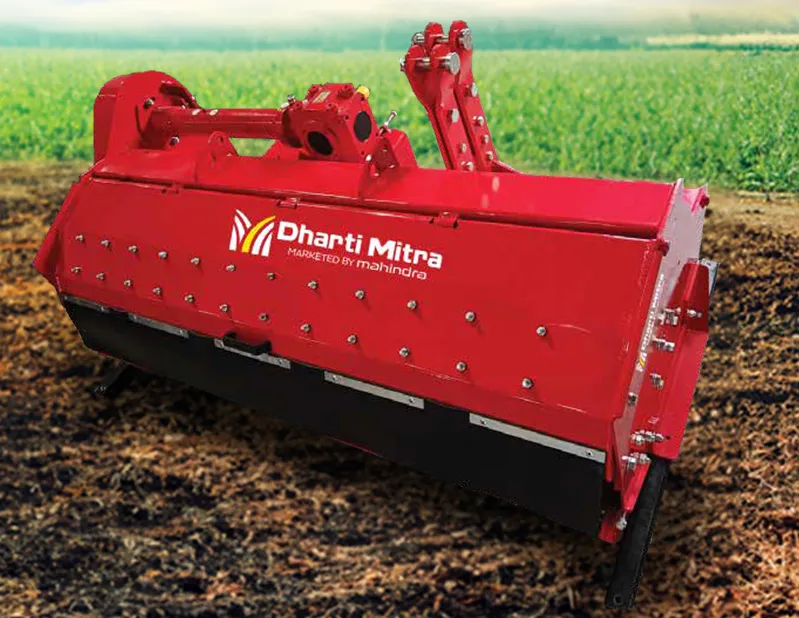
Mahindra Mahavator
Mahindra’s Mahavator is a heavy-duty rotary tiller designed for deep tillage. Read More
Explore more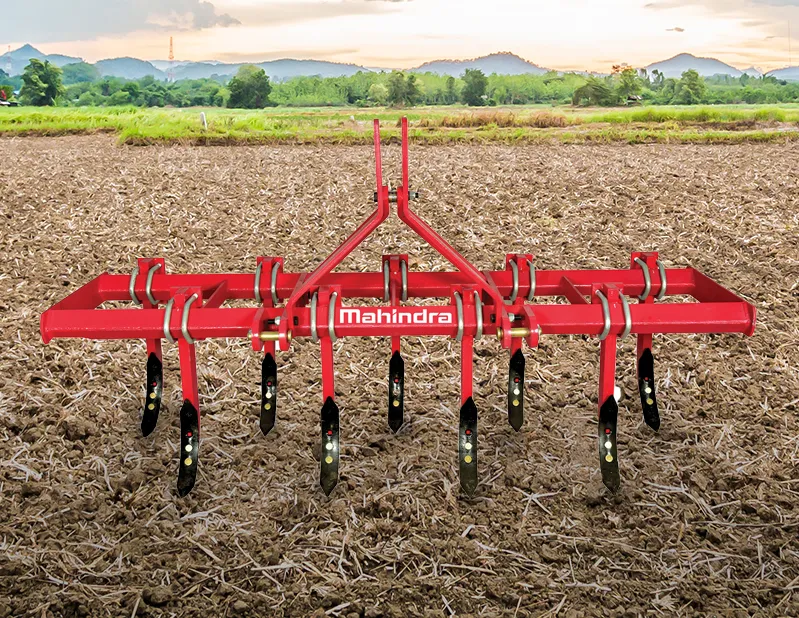
Mahindra Spring Loaded Cultivator (Heavy Duty)
The Mahindra Cultivator is used for secondary tillage and intercultural operations. Read More
Explore more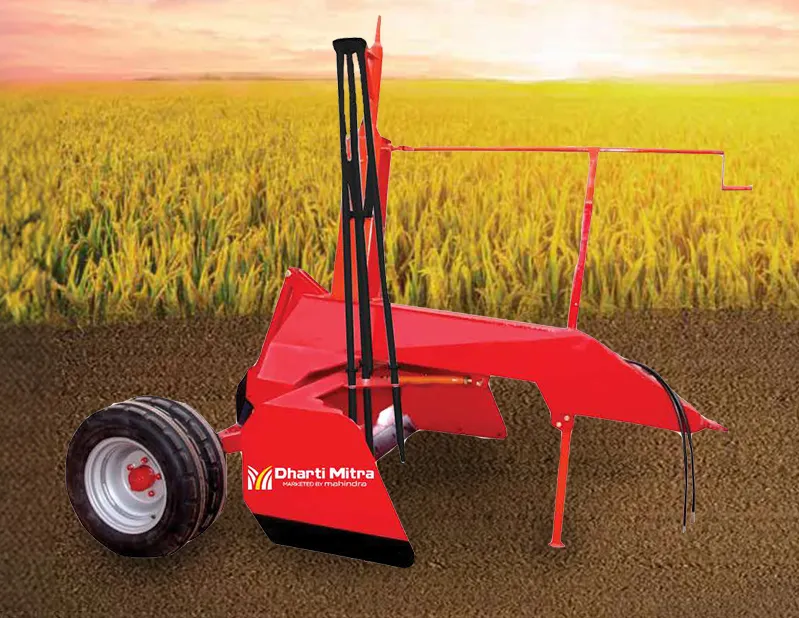
Dharti Mitra Laser Leveller by Mahindra
Uniform irrigation is one of the biggest challenges in potato farming. Read More
Explore more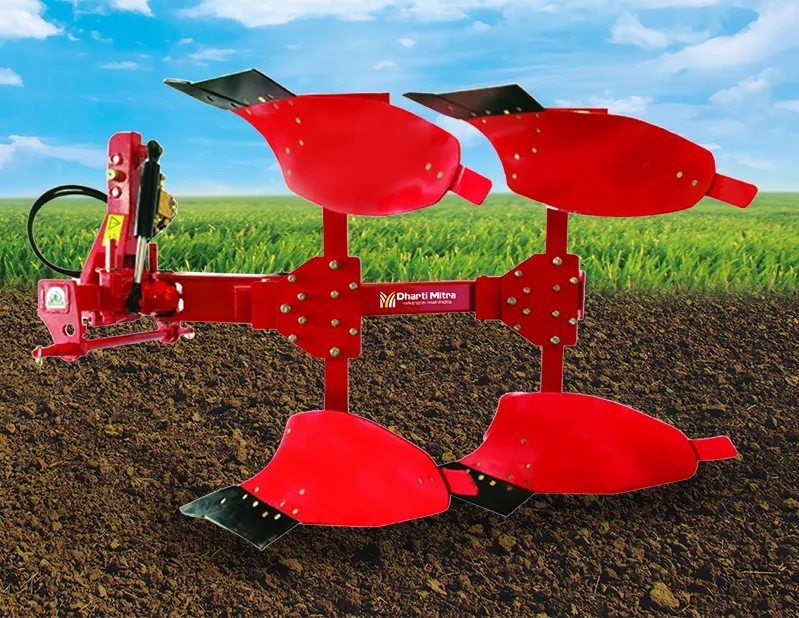
Dharti Mitra MB Plough by Mahindra
The MB Plough is widely used for preparing potato fields before planting. Read More
Explore more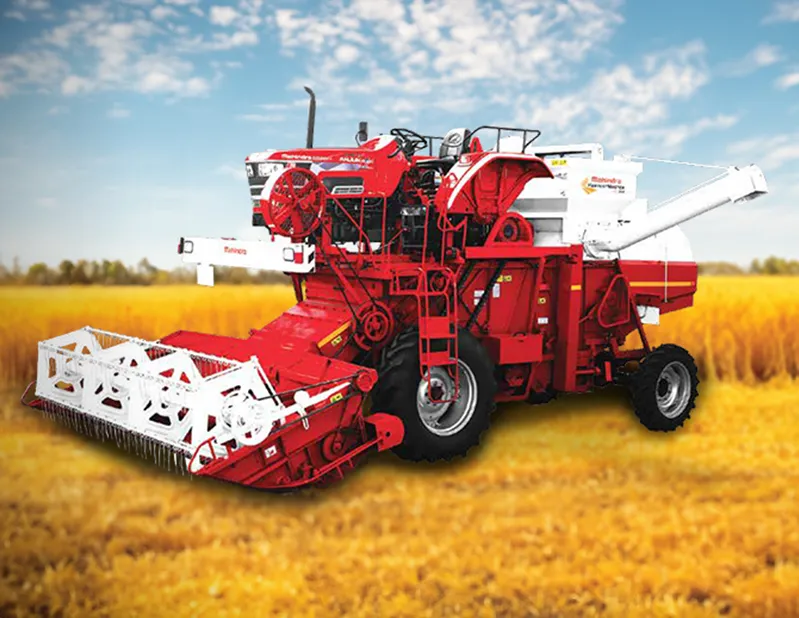
Mahindra Harvestmaster H12 (2WD / 4WD)
Traditionally, potato harvesting was labour-intensive and prone to tuber damage. Read More
Explore moreMahindra’s Mahavator is a heavy-duty rotary tiller designed for deep tillage. For potato farming, it is especially useful before planting because this equipment breaks down compact soil layers and mixes crop residue evenly into the soil. This process improves soil porosity, which is helpful for tuber expansion. By leaving behind a fine tilth, the Mahavator ensures uniform planting depth and better seed to soil contact.
The Mahindra Cultivator is used for secondary tillage and intercultural operations. It loosens the soil around plants, aerates the root zone and helps to manage weeds between rows, which is highly helpful for potato harvest. Maintaining a loose soil structure during crop growth reduces resistance to tuber bulking and prevents crust formation on the ridges. Along with that, regular cultivation with this implement helps to conserve soil moisture and improve drainage.
Uniform irrigation is one of the biggest challenges in potato farming. Uneven fields can cause patches where water stagnates or fails to reach, which can lead to rot and drought situations in some areas. Mahindra’s Laser Leveller addresses this problem by making a perfectly level field surface. Once they are combined with furrow or sprinkler irrigation, the result shows uniform moisture across the crop. This integration leads to more even tuber size, reduced disease incidence and higher efficiency in water use.
The MB Plough is widely used for preparing potato fields before planting. Inversion of the soil into depths of 25-35 cm buries weeds, old crop residues and pests under the surface, leaving the seedbed cleaner. These deep tillages break up stiff layers of soil, increase aeration and water infiltration. Such effects assist seed tubers to develop roots more easily and cut down on the surface runoff. Using organic matter can also enhance soil fertility. With the MB Plough, farmers can prepare well-drained fields that are suitable for uniform potato growth.
Traditionally, potato harvesting was labour-intensive and prone to tuber damage. Mahindra’s harvester improves this outcome by digging beneath the ridges, lifting tubers and separating them from soil in one operation. This process significantly reduces the need for manual digging and minimises bruising or cutting of tubers. These harvesters are especially valuable in larger farms to complete harvest quickly, as they help to prevent losses from late-season rains.
Common Challenges in Potato Farming & Practical Solutions
Diseases, pests and erratic water supply remain major obstacles, but each has a practical solution.
1. Pest and Disease Pressure
Potatoes are highly prone to late blight, early blight and bacterial wilt. A late blight can break out in cool and wet weather. As a result, it can destroy foliage within days, leaving tubers undersized and unfit for the market. You can begin by using certified and disease-free seed tubers. Next, adopt crop rotation with cereals or legumes to break disease cycles. To do so, you may need to spray fungicide on the land before the high-humidity season and use integrated pest management methods.
2. Declining Seed Quality
Many farmers save the potato tubers for seed. Over the years, these tubers accumulate disease and lose vigour through seed degradation. Plants from degenerated seed produce fewer stems and smaller tubers, which reduces yield by 20 to 40%. In this situation, you can replace seed stock every few years with seed varieties such as Kufri Jyoti or Kufri Chipsona. These varieties offer resistance to blight and produce more uniform tubers. Along with that, seed treatment with fungicides before sowing reduces the risk of early infections.
3. Irrigation Challenges
The roots of potato plants are shallow, and they cannot withstand prolonged droughts or waterlogging. Poor supply of water causes cracked tubers, low skin quality and disproportionate size. Fungal disease, such as soft rot, is promoted by waterlogging. Sprinkler or drip irrigation should be used to maintain the moisture of the soil. Drip irrigation, particularly, is quite useful since it brings the water to the root zone and facilitates the fertigation. The furrows or raised ridges prevent standing water and shelter the tubers in heavy rain.
4. Post-Harvest Losses
Potatoes rot fast when kept under ambient conditions. They either sprout, lose weight or rot because of the infections of fungi and bacteria. In India, losses at the post-harvest level are projected to be 20-25%, and this decreases the income of the farmers directly. Stored at 2-4 °C and low moisture to inhibit sprouting and shrivelling. To prevent loss of bruising, tubers should be allowed to cure 10-15 days prior to storage to enable the skin to harden. This increases shelf life and allows farmers to sell at better prices.
5. Soil Nutrient Depletion
Continuous potato cultivation on the same plot can diminish essential nutrients such as nitrogen, phosphorus, and potassium. Over time, these nutrient losses can weaken plant growth and reduce the tuber quality. If the soil becomes low in organic matter, it also loses its ability to hold moisture. This can further stress the crop and increase the vulnerability to crop loss. To overcome this situation, regular soil testing is necessary to detect nutrient deficiencies early. A mixture of organic manure, compost and chemical fertilisers can also help to restore soil balance.
6. Temperature Fluctuations
Potatoes thrive within a narrow temperature range. It means that any sharp variations can affect their development. High temperatures during tuber formation can also slow down bulking and cause deformities. At the same time, cold spells can delay sprouting and restrict growth. These fluctuations can create conditions for pest outbreaks and fungal infections. Planting early or heat-tolerant varieties suitable to the local climate can help to minimise these risks. Also, covering the soil surface through mulching can keep the surface temperature steady and conserve moisture during hot and dry spells.
Post-Harvest & Storage Best Practices
Proper curing, ventilation and temperature control preserve potatoes for months after harvest.
Post-harvest management contributes to maintaining potato quality, reducing losses, and improving market value. The following curing and storage conditions can help to preserve freshness, prevent greening, and ensure a longer shelf life.
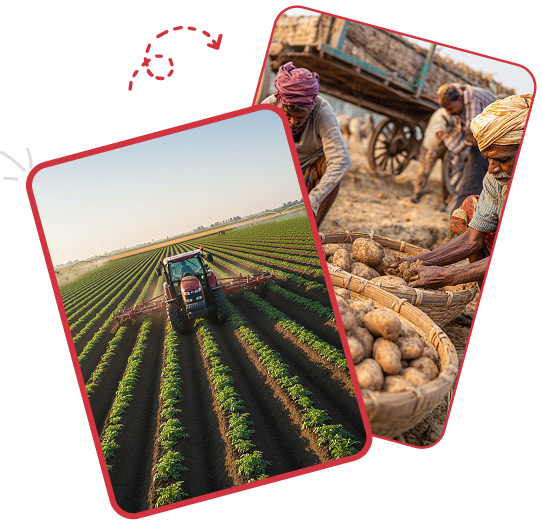
- Picking at the correct stage –To avoid damage and enhance the shelf life of the product, harvest at the dry stage when the tuber skin is hard.
- Store before curing –Store 10-15 days in a well-ventilated and dark place to avoid drying out the skin and curing shallow cuts.
- Store in ideal conditions – Keep the storage facilities cool, dry and airy or place in cold storage at 2-4°C to slow down the sprouting and deterioration.
- Avoid exposure to sunlight – Protect tubers against direct sunlight or bright light to avoid greening and accumulation of solanine.
Post-Harvest & Storage Best Practices
1. Picking at the correct stage
To avoid damage and improve shelf life, harvest potatoes at full maturity when the tuber skin is firm and well developed.
2. Store before curing
Store potatoes for 10–15 days in a dark, well-ventilated place to allow curing of shallow cuts and to prevent skin drying.
3. Store in ideal conditions
Keep storage facilities cool, dry, and airy, or use cold storage at 2–4°C to slow sprouting and reduce deterioration.
4. Avoid exposure to sunlight
Protect tubers from direct sunlight or bright light to prevent greening and the buildup of solanine.
5. Check frequently
Carry out regular inspections of stored potatoes and remove damaged or rotting tubers promptly to avoid spreading spoilage.
6. Storage duration
At room temperature, potatoes last only 7–10 days. Under refrigerated conditions of 2–4°C with proper humidity, they can be stored safely for 4–6 months.
7. Transportation cost
Transportation costs depend on distance, vehicle type, fuel price, and volume when moving potatoes between farms, markets, and storage facilities.
8. Distance
Longer distances between production areas and markets increase transportation expenses and affect final crop pricing.
9. Volume of load
Full truckloads reduce transportation cost per kilogram compared to smaller consignments.
10. Vehicle type used
Refrigerated trucks cost more than normal carriers but help maintain potato quality during transit.
11. Fuel cost and tolls
Changes in diesel prices and road tolls directly affect freight costs, impacting farmer income and consumer prices.
State-wise Potato Farming in India
India’s major potato belts stretch from the northern plains to the western plateaus, each shaped by its own soil and climate.
The potato production in India is limited to very few states that have favourable soils, climate, irrigation and infrastructure. Uttar Pradesh, West Bengal, Bihar, Gujarat, Madhya Pradesh, Punjab and Haryana are some of the largest potato-growing states.
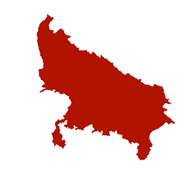
Uttar Pradesh:
Added approximately 30% of the entire production in India:
Some of the districts that yield high include Agra, Farrukhabad, Mathura, Mainpuri, Etawah and Kanpur.
Read MoreSome of the districts that yield high include Agra, Farrukhabad, Mathura, Mainpuri, Etawah and Kanpur. The state has the advantage of fertile Indo-Gangetic plains, proper irrigation and a long history of potato farming. Due to its dominance, the national markets and prices are frequently affected by the changes in the Uttar Pradesh yield.
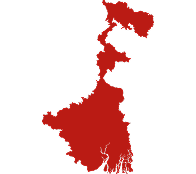
West Bengal
West Bengal typically produces the 2nd-largest amount of potatoes.
The state plays a significant role due to large-scale cultivation in the districts…
Read MoreThe state plays a significant role due to large-scale cultivation in the districts such as Hooghly, Burdwan and Bankura, where alluvial soils and the warm climate provide a higher yield.
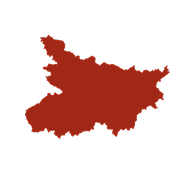
Bihar:
Accounts for about 17% of the potato production in India.
The major districts are Nalanda, Purnia, Katihar and other parts of the Gangetic plains…
Read MoreThe major districts are Nalanda, Purnia, Katihar and other parts of the Gangetic plains. Since these two states lie in the eastern corridor, they serve the purpose of balancing production and supply in northern and eastern India.

Punjab:
Yielded approximately 2.8 million tonnes.
Punjab is rated as among the five largest producers of potatoes…
Read MorePunjab is rated as among the five largest producers of potatoes. The state has extensive irrigated lands, well-developed infrastructure, and advanced agricultural methods that contribute to an increase in productivity.
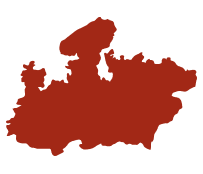
Madhya Pradesh:
Accounts for approximately 6% of yields across the country.
The potato farming belt includes such districts as Ujjain, Indore, Dewas, Gwalior, and Shajapur…
Read MoreThe potato farming belt includes such districts as Ujjain, Indore, Dewas, Gwalior, and Shajapur. The variety of agroclimatic conditions in the state enables flexibility in crop production; certain areas can allow both Rabi and Kharif potato crops with irrigation.
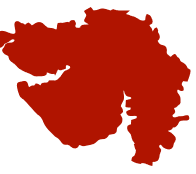
Gujarat:
Produces about 1.8 million tonnes of potatoes.
Gujarat’s districts, such as Banaskantha, are pacesetters in potato farming…
Read MoreGujarat’s districts, such as Banaskantha, are pacesetters in potato farming by producing about 1.8 million tonnes from 61,016 hectares in 2024 - 25. Gujarat is also taking shape in processed potato manufacturing (chips, fries, dehydrated products), with specially bred varieties.
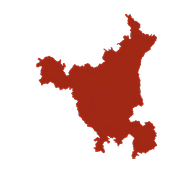
Haryana:
Contributes less than 1% of the national production.
The major districts are Hisar, Sirsa, Fatehabad and Karnal…
Read MoreThe major districts are Hisar, Sirsa, Fatehabad and Karnal. The state contribution is restricted by the limited area under potatoes and competition with other crops.
Potato Farming Schemes & Subsidies
Government support helps farmers lower costs, manage risks and invest in long-term growth.
Government programs are significant in assisting the potato farmers. They directly give income, subsidise inputs, promote better infrastructure and lessen financial risk. However, the four major schemes can be used to help the farmers of potatoes: PM-KISAN, state horticulture, the National Horticulture Mission (NHM) and the Pradhan Mantri Fasal Bima Yojana (PMFBY).
PM-KISAN
State Horticulture Department Schemes
National Horticulture Mission (NHM)
Pradhan Mantri Fasal Bima Yojana (PMFBY)
Testimonials
Farmers share real-world results after switching to better seed, irrigation and harvesting systems.
Potato Farming FAQs Every Farmer Asks (FAQs)
What is potato farming, and why is it important in India? +
Potato farming is the process of growing the tubers of Solanum tuberosum. Potato farming in India is very important as potatoes are affordable, nutritious, and highly versatile. They help promote national food security, improve farmer livelihoods, and support industries such as chips, fries, and starch production.
Which states are the leading producers of potatoes in India? +
Uttar Pradesh contributes nearly one-third of India’s total potato production, followed by West Bengal and Bihar in the eastern belt. Gujarat and Madhya Pradesh are modern infrastructure hubs, while Punjab and Haryana practice highly mechanised potato farming, ensuring year-round supply.
What are the ideal soil and climate conditions for potato farming? +
Potatoes grow best in a cool climate of 20–24°C with frost-free nights. Loose, well-drained sandy loam or medium loam soils rich in organic matter are ideal. Slightly acidic soils with pH 4.8–5.4 produce better tuber quality, while excess moisture increases fungal risk.
How do traditional and modern potato farming differ? +
Traditional potato farming relies on family labour, farmyard manure, and bullock-drawn ploughs, yielding around 8–12 tonnes per hectare. Modern farming uses tractors, certified seed tubers, chemical fertilisers, drip irrigation, and mechanised harvesting for higher productivity.
What are the common challenges of potato farmers? +
Potato farmers face challenges like late blight, bacterial wilt, seed tuber deterioration, drought, waterlogging, and inadequate storage. Post-harvest losses can reach 20–25%, while rising transportation costs and price fluctuations further affect profitability.
What government schemes support potato farmers in India? +
Government schemes such as PM-KISAN, PMFBY, National Horticulture Mission, and state horticulture programs support potato farmers. PM-KISAN provides ₹6,000 annually, while PMFBY offers subsidised insurance against crop losses due to drought, pests, or disease.
Which potato varieties are most commonly grown in India? +
Popular potato varieties in India include Kufri Jyoti, Kufri Bahar, and Kufri Chipsona. These varieties suit different agro-climatic conditions and meet both household consumption and industrial processing demands.
What machinery and tools are used in potato farming? +
Modern potato farming uses tractors with ploughs, rotavators, and ridgers for land preparation. Seed planters place tubers uniformly, and potato harvesters lift tubers carefully to reduce damage to both crop and soil.
How long can potatoes be stored without losing quality? +
Proper ventilation and a temperature of 2-4°C allow potatoes to maintain their quality for up to six months. At room temperature, they begin to sprout or dry out in a couple of weeks. 10. Is cold storage always better than traditional on-farm methods?
Can all potato varieties be stored the same way? +
No, storage methods vary by purpose. Seed potatoes are stored at 2–4°C, while table and processing potatoes are kept at slightly higher temperatures (8–12°C) to prevent sugar accumulation.
What humidity level should potato storage maintain? +
A humidity level of 90–95% keeps potatoes firm and prevents shrinkage. Low humidity causes drying and shrivelling, while excess moisture encourages fungal growth. Proper ventilation maintains balance.
Does curing need to be done before cold storage? +
Yes, curing allows minor cuts on tubers to heal and strengthens the skin. Potatoes are cured for 10–15 days in a shaded, well-ventilated place before long-term storage.
What happens if potatoes are exposed to light during storage? +
Exposure to light causes greening and increases solanine levels, which is bitter and toxic. Potatoes should always be stored in dark or low-light environments to maintain safety and quality.
How frequently should stored potatoes be inspected? +
Stored potatoes should be inspected every two weeks. Any soft, sprouting, or decaying tubers must be removed immediately to prevent spoilage from spreading.
Which tractors and implements are best suited for potato farming? +
Medium-horsepower tractors between 30–50 HP are ideal for potato farming. Suitable implements include Mahindra Mahavator, MB Plough, Laser Leveller, and Harvestmaster H12, which improve efficiency in soil preparation, planting, and harvesting.


 Not happy
 Could be better
 It's okay
 Good
Good Excellent