


Grapes Farming in India
Learn the essentials of grape farming, from choosing the right soil and climate, along with pruning, irrigation and harvesting.
Introduction to Grape Farming
Let's explore the foundation of grape cultivation and what makes them delicious and popular among consumers.
Grape farming is the process of growing grapevines to make table grapes, raisins, and wines. It is also called viticulture, and it is one of the most valuable fruit crops in India. It does best in places with dry weather and rich, well-drained soils.
Grapes are grown as perennial plants, which means that once the vines are established, they will produce fruit for many years if they are cared for properly. At every stage, grape cultivation needs scientific care to make sure it produces superior-quality fruits.
The key to successful grape farming lies in striking the right balance between cultural values, knowledge, funding and new horticultural methods. Once your vine builds up, it can stay up to 15 years. Moreover, the taste and growth of grapes are highly influenced by how the soil is prepared and how the irrigation system works.

Importance of Grape Farming
Grape farming strengthens economies by generating steady income, creating jobs, and supporting growing industries like wineries and raisin processing.
Grape cultivation offers farmers a steady source of income, and the grape value chain employs thousands of workers, which mainly includes labourers, packers and transporters.
Nutrient-Rich Fruit
Grapes are known for being a good source of several important nutrients like potassium, B-Complex vitamins, and calcium. Other than that, grapes also have antioxidant and anti-inflammatory properties. They can also ensure a healthy digestive process.
Presence of Diverse Varieties
There are several varieties of grapes cultivated in India, like the Thompson, Sharad, Flame Seedless varieties, along with Sonaka, Tas-A-Ganesh, and Bangalore Blue. In India, the popularity of grapes is shaped by their unique taste, health benefits and diverse farming process.
Cultural Significance
Historically, grapes were known for their medical properties during ancient Indian medical treatises such as the Susruta Samhita and Chakra Samhita (1356 - 1220 BC). During this period, they were recommended and consumed for health benefits like prevention from cardiac disorders and treating ailments like fever, cough, muscle pain and rhinitis.
Economic Importance
India is the world’s largest exporter of grapes. In FY 2023 - 2024, the nation exported about 343,000 metric tons of fresh grapes, which is worth about ₹3,400 crores (approximately $400 million). This hundred thousand grapes export growth indicates that the grapevine industry generates substantial income and contributes notably to the national and state agricultural GDP.
Grape Cultivation Process
Grape cultivation begins with land preparation, then goes with propagation and planting of seeds, irrigation, fertilisation, and harvesting over multiple seasons
The following section covers the different stages in the cultivation of grapes. The process requires careful planning and precision for optimum fruit quality.
1. Land Preparation
A well-prepared field helps vines stay healthy by letting water drain properly. It also helps their roots grow deep and strong, making the soil hold nutrients better.
- The first step of grape farming is digging the soil about one metre deep. This process loosens the tightly packed soil layers, lets air in, and helps roots spread out without the risk of water pooling.
- Once ploughing is done, the field is levelled to bring out a level surface.
- Grading the soil appropriately prevents water stagnation and ensures that irrigation water is spread evenly across the vineyard.
2. Propagation of Seeds
The primary method for propagating grapevines includes a process of germination, transplanting and cold stratification to mimic winter conditions.
- You’ll need to select a grape variety that suits your climate and purpose (e.g., eating, wine or jam).
- Filter usable seeds by soaking all of them for 24 hours in water. The next day, healthy seeds are firm and sink in the water, and damaged ones will float.
- Next, dig a hole between 60 and 90 cm deep to put the seeds. This depth is often considered optimal for the growth of grapevine soil.
3. Planting Methods
Site selection and support systems are critical for successfully establishing a vineyard or a few backyard vines.
- Begin planting grapevines in winter or early spring to make sure they receive sufficient sunlight.
- Use durable and certified disease-free planting material such as dormant rooted cuttings.
- Installing trellises or support systems to help the vines climb and receive proper air circulation
4. Irrigation
Grapevines are not tolerant to standing water and thus, well-structured drainage is necessary to ensure that roots are aerated.
- Drip systems are subsequently used to deliver controlled moisture and fertilisers to the root zone.
- Both excess and shortage of water can harm grapevines. To avoid such instances, drip irrigation for grapes allows precise moisture control directly to the roots.
- Grapevines usually need watering once every week during active growth. This frequency can differ based on soil type, weather and vine age.
- Also, the important irrigation stages to grow grapevines are after pruning, during flowering and during berry development and pre-harvest.
5. Fertilization
Proper nutrient supply is highly essential for healthier and better growth of grapes. This outcome can be achieved in the following ways:
- Grapevines need a balanced supply of nitrogen, phosphorus, potassium and micronutrients such as magnesium and zinc.
- Fertigation as a grape sowing method delivers dissolved fertilisers through drip irrigation. This process ensures that nutrients reach the roots evenly and efficiently.
- Compost and vermicompost can also be used because they improve the soil structure and help in maintaining useful microbes. They also maintain long-term soil fertility and balance in chemical usage.
6. Pest & Disease Management
Monitor your grapevine yard regularly for signs of pests and diseases.
- Some of the common issues include aphids, mites, and powdery mildew.
- Use integrated pest management (IPM) practices by using organic pesticides and cultural practices to keep flies and insects away from your farm.
- Next, remove and destroy all infected plant parts, as they can be a source of disease carryover to the next season.
7 .Harvesting & Post-Harvest
Pruning, an essential part of harvesting the best grape varieties, defines the shape of the vine, production, and the quality of fruit. The timing of the harvest depends on the grape variety and its intended use.
- Each type and region has its own timing of pruning according to the climate and the objectives of production.
- In the process of pruning, the canes that are old and non-productive are cut, and only the buds that are selected are retained to give rise to the shoots and clusters of the next season.
- Table grapes are commonly harvested once they have the perfect colour and sweetness. While wine grapes are picked based on sugar content and acidity, this is why they are harvested in the early morning to retain grape quality.
- Manage harvested grapes with care to prevent damage by promptly removing leaves and debris to maintain grape quality during storage and transportation.
Right Time and Soil for Grape Farming
The growth and quality of grapevines depend on suitable climate, soil type, and regional pruning cycles.
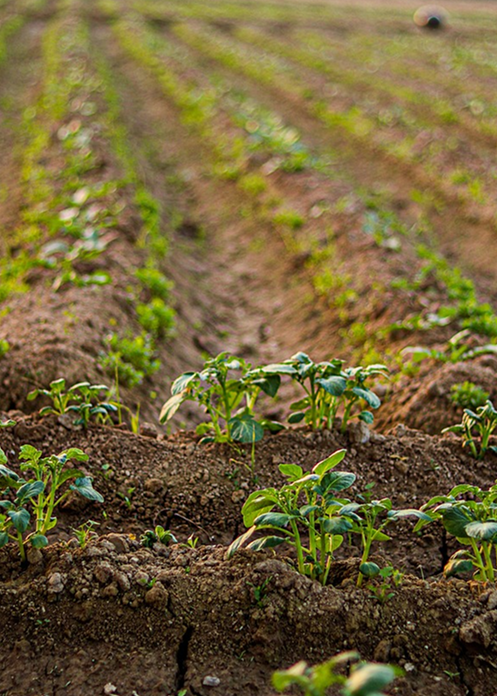
Ideal Season For Grape Cultivation
Grapevines live and produce fruit for many years once they are established. However, the timing of pruning, planting and harvesting is crucial for successful vineyard management. Grapes are cultivated across the country in different places. Each of these regions in India follows a distinct growing schedule that aligns with local temperatures, rainfall and market requirements.
- In Northern India, planting is usually carried out between December to February. Pruning is carried out during the summer (April to May) and harvesting is carried out during January to April the following year.
- In Southern India (Tamil Nadu, Andhra Pradesh), since the climate is moderate, year-round production of the vineyards can be managed, with pruning intervals being spaced to a minimum to ensure quality.
- Grapevines grow in Northern India (Punjab, Haryana) during winters, the grapevines go into dormancy, pruning around January, and fruiting between May and July.
- The grapevine’s growth and productivity are strongly influenced by the temperature and moisture levels of the designated location. The ideal temperature for grape cultivation is between 15°C and 35°C.
- Grapes need a long, dry and warm growing season to develop high sugar content and rich flavour. However, excessive rain or moisture during fruiting can cause a fungal infection, including downy mildew.
- The flexibility of the grape production cycles enables farmers to schedule the harvest according to the climatic conditions and the market windows. In this way, it assists them in getting better prices and preserving the quality of fruit.
Soil Requirements for Grape farming
Grapes grow in soils that are well drained, nutrient-rich, have enough sunlight, gentle slopes and moderate climatic conditions that favour consistent vine growth and healthy fruit ripening.
- Soil health and drainage determine the success of a grape crop in India. Grapevines grow well in medium black soil with high levels of organic content or well-drained sandy loam.
- The optimum soil pH level for grape farming is 6.5-8.0, and it facilitates faster nutrient absorption and vine growth. You may also apply slightly alkaline soils using organic compost and the use of gypsum to assist with this growth. The low-lying areas going down towards the lowlands should be avoided, where the water is possibly stagnant or salty.
- Do not spray excessive water because it can lead to root rot. Also, avoid shallow or compacted soils, which can limit root development and reduce productivity.
- Make sure the soil is at least 1.5 meters deep so that roots can grow and the required water can be stored. This is a major step in the soil preparation process.
Weather Conditions
-
Grapevines prefer a warm, dry growing season
Grapevines (genus Vitis) are sun-loving perennial plants that thrive best when daytime temperatures are warm and dry. The best growth and yield occur in regions with an optimal temperature range of 15°C to 40°C. A clear, dry atmosphere is preferred for farming fresh and delicious grapes.
-
Ample sunlight for superior fruit quality and vine health
Grape farming needs significant exposure to sunlight. Longer duration of sunlight exposure on the leaves and developing fruit leads to higher sugar content and better flavour compounds. Moreover, cloudy, overcast weather for extended periods can result in slow ripening, lower sugar levels, and increased vegetative growth that crowds the canopy.
-
Low humidity and managed rainfall
Grapevines are highly susceptible to fungal diseases (like powdery and downy mildew) in damp conditions. In this aspect, aim for average humidity levels below 60%. Consistent air circulation is often facilitated by natural breezes and proper vine spacing. It helps leaves and fruit dry quickly after rain or dew, which is the primary natural defence against fungal infections.
-
Monitoring weather and planning around the monsoon
In India, farmers usually have to cope with the ‘double-pruning, single-cropping’ system in hot tropical regions to time the single annual harvest. With proper drainage systems and the adoption of new methods such as drip irrigation, water can be controlled accurately. It is crucial since there are adverse effects of little water (drought stress) and higher water volume (waterlogging) on yield and quality.
Traditional Vs Modern Grape Farming
Grape farming has shifted from manual to modern systems that use machinery, drip irrigation, and scientific management for higher yields, better quality, and longer shelf life.
What is Traditional Grape Farming?
Traditional grape farming is done through routine chores, controlling organic soils, and during rainy seasons. Although this cultivation maintains low costs and prevents soil degradation, the harvests may vary with the state of the soil. Key factors of the traditional grape farming process include:
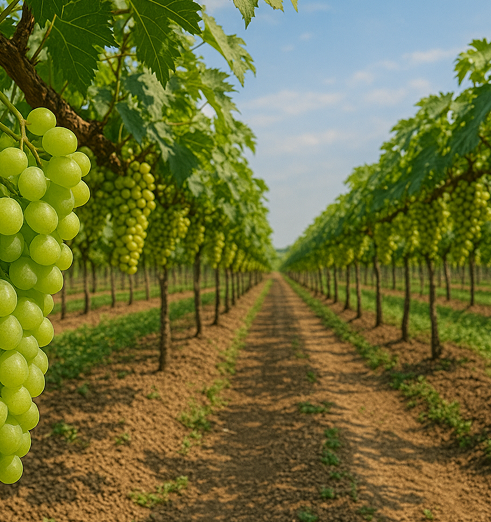
- Manual cultivation and soil nutrition: Land is prepared and planted using bullocks or hand tools. Farmers enrich the soil with farmyard manure, compost, and other natural fertilisers.
- Rain-dependent irrigation and crop care: Most traditional vineyards lack modern irrigation systems and depend on rainfall for moisture. Pruning, training, and harvesting are carried out entirely by hand, requiring high labour input.
- Local varieties: Native grape types are preferred for their resilience and adaptability to local weather conditions. That’s a major advantage as different grape varieties are cultivated throughout the country.
- Natural pest control: Farmers rely on organic or homemade treatments to manage pests and diseases. This is a significant step towards enhancing crop quality.
- Variable yields: Output depends heavily on soil fertility and weather, leading to different fruit sizes and quality. Variable yields also create diversity in the commercial market.
- Sustainable approach: Traditional farming method maintains soil health and lower costs, but limit scalability and export potential. This method is the best option when it comes to meeting demands in the domestic market.
What is Modern Grape Farming?
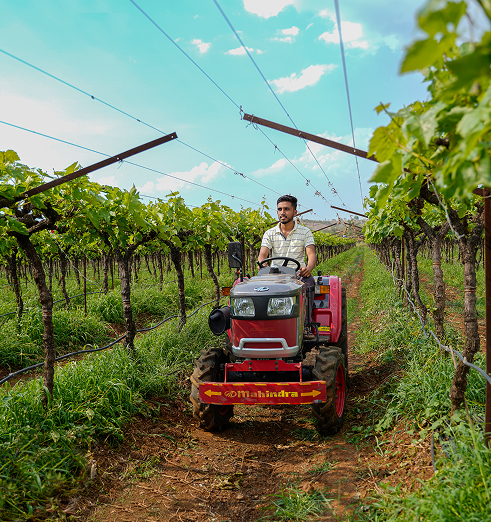
Modern grape farming uses more advanced equipment, scientific methods, and better ways to manage crops to get more fruit and keep the quality of the fruit the same. It focuses on efficiency, accuracy, and long-term success by using controlled irrigation systems, testing the soil, and growing better grape varieties. Here’s a quick look at the main aspects of modern grape farming:
- To prepare deep, well-drained fields, farmers employ tractors, disc ploughs, rotavators, and land levellers. This enables roots to grow without any problem and avoids stagnation of water. The vine is spaced 1.8-2.4 m and tied on a bower (pergola) or Y-shaped trellis to sustain canopy structure and provide exposure to sunlight.
- Water and nutrients are applied through an inline drip system with venturi or fertigation units. This controlled irrigation includes the correct ratio of urea, DAP and potash during such critical stages of growth as the bud burst, berry set and maturity.
- Farmers prefer soil and petiole testing to determine fertiliser schedules. Micronutrients such as zinc sulphate, magnesium sulphate, and boron are applied through fertigation or foliar spray to prevent deficiencies.
- Thrips, flea beetles, and mealybugs are common grape pests that are managed with the help of pheromone traps, neem oil sprays, and biological agents like Trichoderma and Beauveria bassiana. Sprays of chemicals are applied when the pest population exceeds the threshold value.
- Thinning of the regularly growing shoots, removal of leaves and topping are performed to maintain correct air circulation, humidity levels and enhance the colour of the berries. They sort the grapes by size and colour and pre-cool them to 2- 4°C to exclude fungal infection on the way to the market.
Requirements for Modern Grape Farming
Difference Between Traditional & Modern Grape Farming
| Aspect | Traditional Grape Farming | Modern Grape Farming |
|---|---|---|
| Productivity | Moderate yields that depend largely on rainfall, soil fertility, and manual care. | High productivity is achieved through hybrid varieties, controlled irrigation, and precision management. |
| Environmental Impact | Sustainable system with very low chemical input, maintaining soil health naturally. | Intensive system with higher chemical use; risk of residue buildup if fertilisers and pesticides are not managed properly. |
| Technology Use | Manual practices such as hand pruning, weeding, and traditional tools. | Mechanised operations with tractors, drip irrigation, power sprayers, and environmental sensors for monitoring. |
| Input Materials | Use of organic compost, farmyard manure, and local vine cuttings. | Use of certified planting material, chemical fertilisers, bio-fertilisers, and bio-pesticides for higher efficiency. |
| Labor Dependency | High dependence on human labour for pruning, spraying, and harvesting. | Reduced labour needs due to automation and the use of machines for key operations. |
| Capital Investment | Low initial cost and minimal external inputs make it suitable for small-scale farmers. | Higher initial investment in machinery and infrastructure, but greater long-term returns and efficiency. |
| Risk Management | Highly vulnerable to pest attacks and weather changes; limited control over environmental conditions. | Improved risk management through irrigation control, pest monitoring, and resistant varieties that minimise crop loss. |
| Market Orientation | Mainly for local or regional markets with limited value addition. | Commercial and export-oriented farming with a focus on table grapes, raisins, and wine production. |
Best Suitable Tractors for Grapes Farming
Specialised tractors and implements streamline vineyard operations and improve field efficiency.
The modern grape farming process relies on effective tools and machinery, which enable farmers to manage large vineyards accurately and with less manual labour. These tools enhance efficiency, time-saving, and consistency in activities including soil working, spraying, pruning and harvesting.
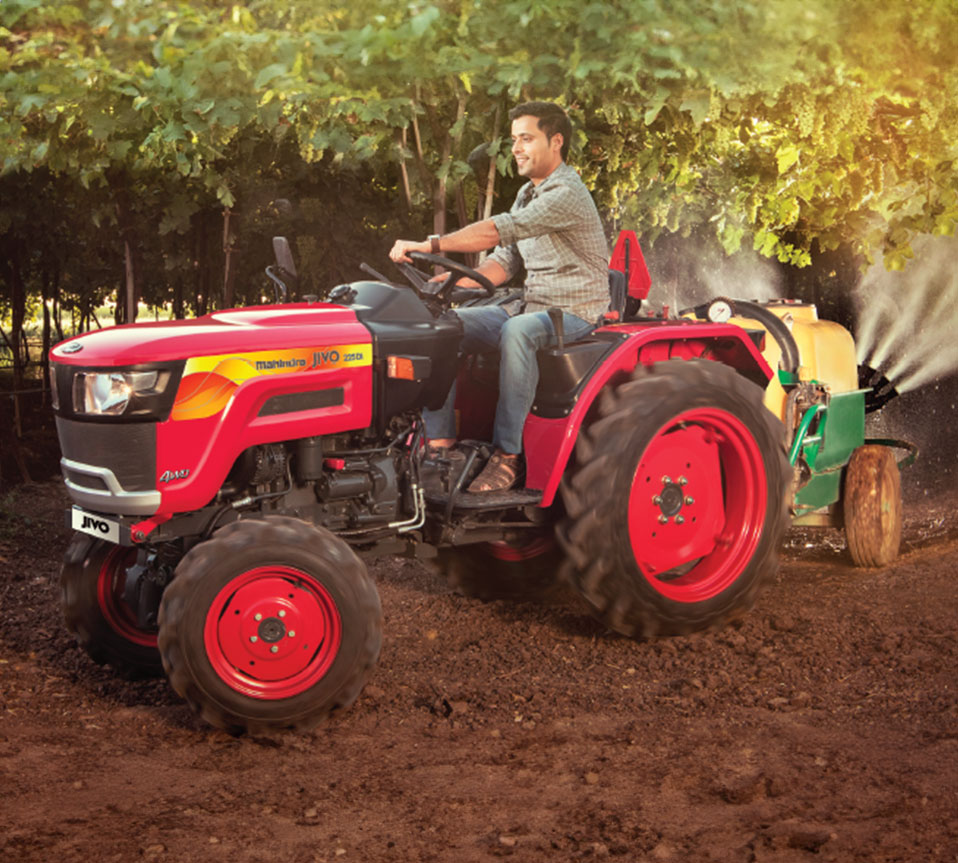
Mahindra JIVO 245 DI Tractor
Mahindra JIVO 245 DI is a compact 4WD tractor used in vineyards and in orchards.Read More
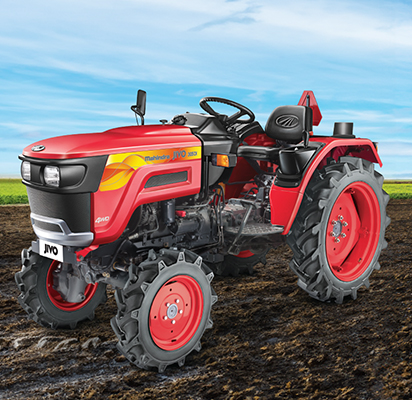
Mahindra JIVO 305 DI 4WD Tractor
Mahindra JIVO 305 DI 4WD has a 24.5 HP engine and four-wheel drive assistance to give consistent performance in grape farming. Read More
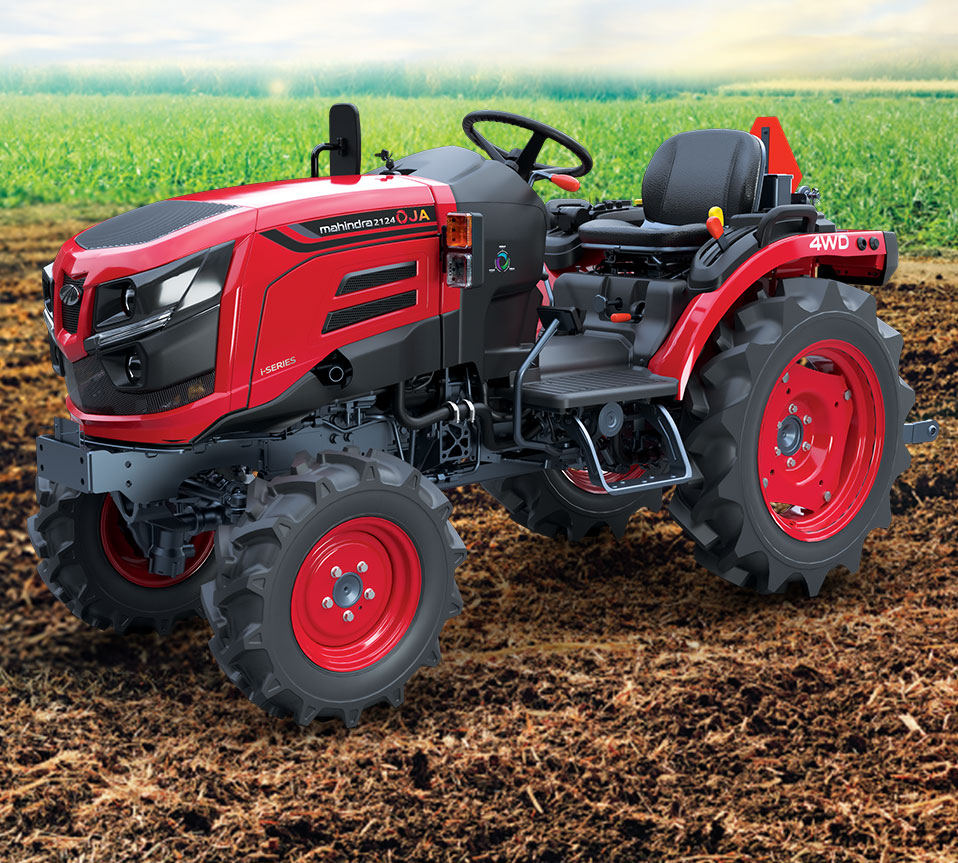
Mahindra OJA 2124 Tractor
Mahindra OJA 2124 fits grape cultivation perfectly as it has equal power output and advanced features. Read More
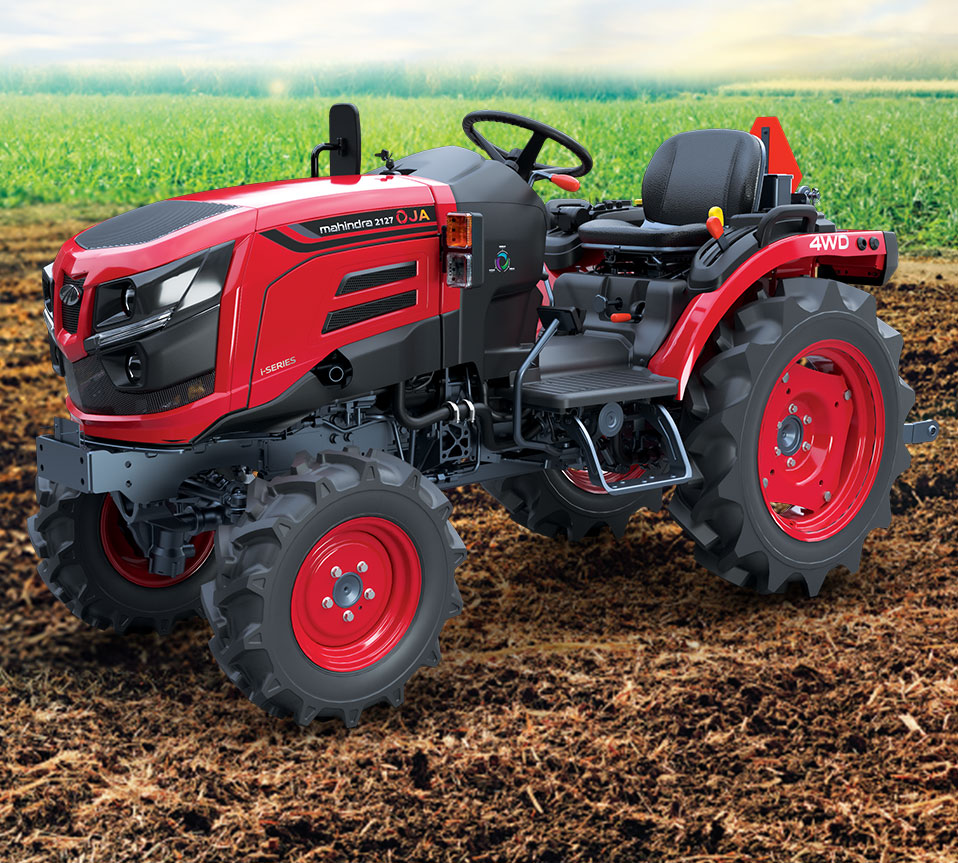
Mahindra OJA 2127 Tractor
Mahindra OJA 2127 has a reliable performance on vineyards with its 27 HP engine and 4-wheel drive capability. Read More
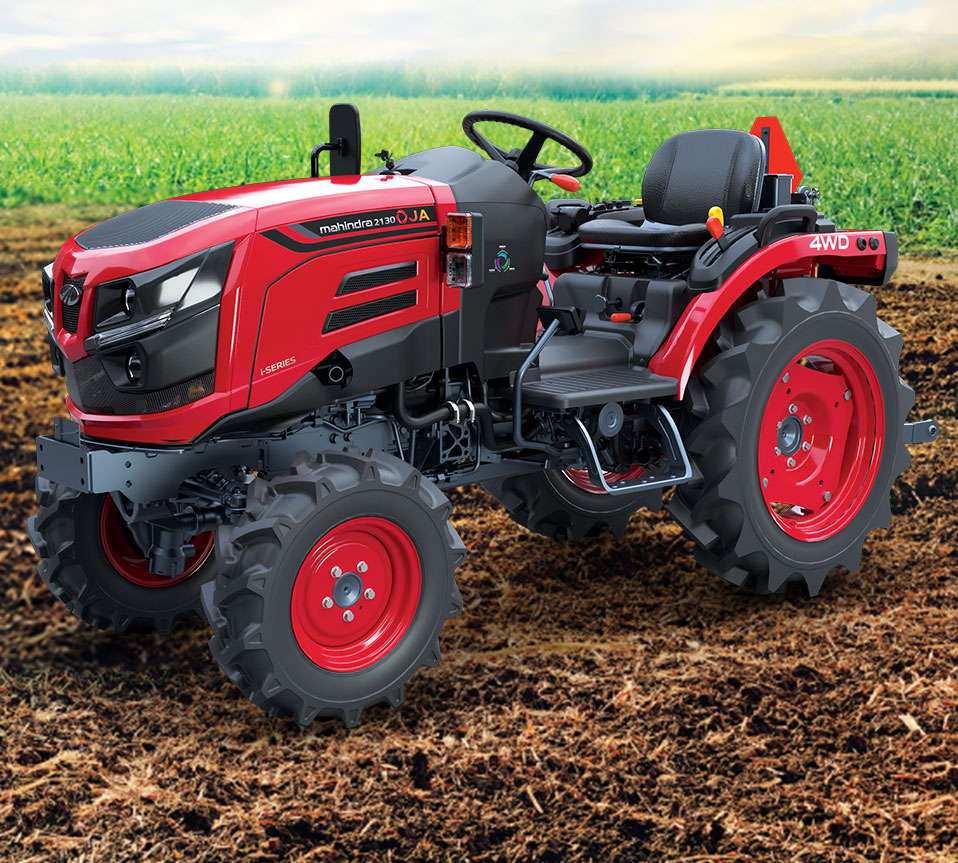
Mahindra OJA 2130 Tractor
Mahindra OJA 2130 is firmly recommended to be used in medium-sized grape farms. Read More
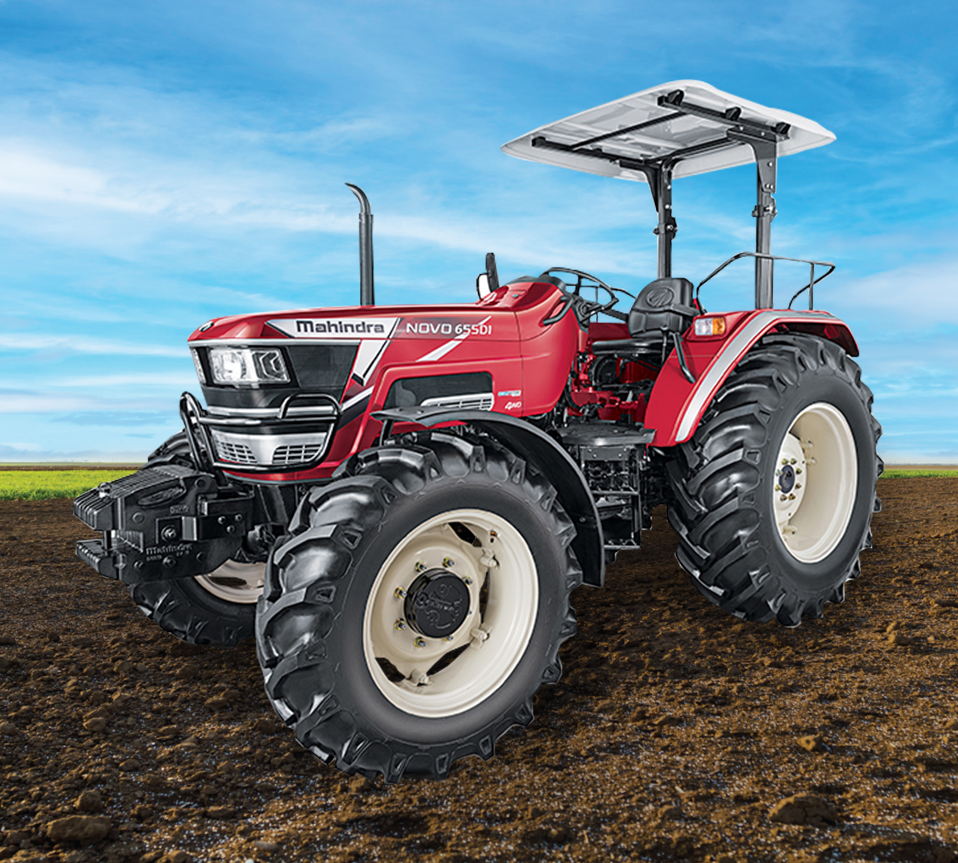
Mahindra NOVO 655 DI PP V1 Tractor
Mahindra NOVO 655 DI PP V1 is recommended to be used in bigger grape farms. Read More
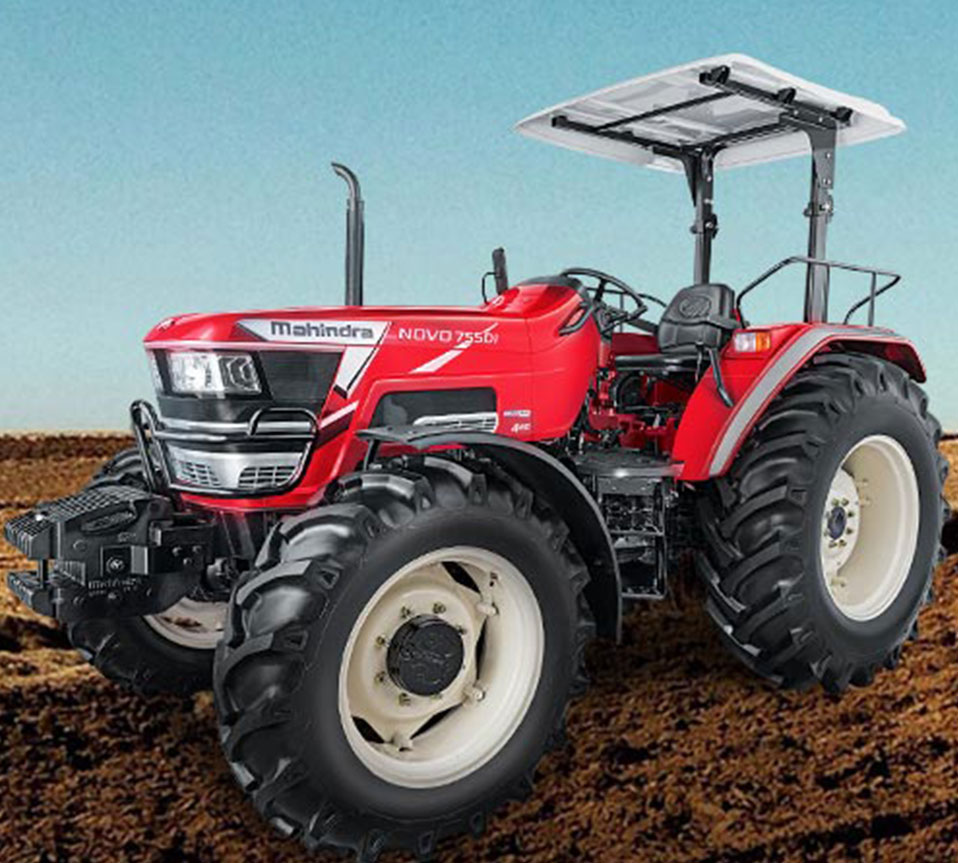
Mahindra NOVO 755 DI PP 4WD V1 Tractor
Mahindra NOVO 755 DI PP 4WD V1 can be used in wide-scale grape plantations. Read More
Mahindra JIVO 245 DI is a compact 4WD tractor used in vineyards and in orchards. It has a 24 HP engine that gives it smooth power to spray, intercultural work and light haulage. Its narrow width facilitates coordinating the movement between rows of grapes. JIVO 245 DI’s high fuel efficiency, responsive hydraulics and low turning radius make it useful in supporting day-to-day grape farming.
Mahindra JIVO 305 DI 4WD has a 24.5 HP engine and four-wheel drive assistance to give consistent performance in grape farming. The tractor provides enhanced stability over sloppy or hilly vineyard terrain. Its compact structure, power steering and economical transmission system make it useful in spraying, weeding, and soil management.
Mahindra OJA 2124 fits grape cultivation perfectly as it has equal power output and advanced features. It has a three-cylinder engine and 4WD, which makes it convenient when using orchard implements. The tractor comes with a variety of gear choices to control speed accurately, robust hydraulics to power sprayers and smooth manoeuvrability. All of these features make OJA 2124 suitable for vineyard and intercultural farming needs.
Mahindra OJA 2127 has a reliable performance on vineyards with its 27 HP engine and 4-wheel drive capability. It is used in orchards with narrow rows of grapes, which enable ease of handling. The spraying, cultivation and soil preparation activities are facilitated by power steering, efficient transmission, and strong lifting capacity. OJA 2127’s ergonomic structure is also comfortable for farmers during long hours of grape farming.
Mahindra OJA 2130 is firmly recommended to be used in medium-sized grape farms. It has a 30 HP with a 4WD system, which is efficient in diverse soil setups. The tractor is used to support heavy implements, provide consistent traction and give fine control in the vineyards. OJA 2130 can be used in spraying, inter-row cultivation and in routine orchard maintenance work.
Mahindra NOVO 655 DI PP V1 is recommended to be used in bigger grape farms. It has a powerful engine, advanced transmission and powerful hydraulics that enable easy handling of heavy implements. The tractor assists with the work of intensive field preparation, spraying and transportation. NOVO 655 DI PP V1 also brings stable performance, comfort and high lifting capacity, which makes it reliable to use in demanding vineyard operations.
Mahindra NOVO 755 DI PP 4WD V1 can be used in wide-scale grape plantations. It has a powerful engine and four-wheel drive, which makes it effective on rough roads. It has a high lifting capacity that holds large sprayers and implements, and a high-quality gearbox. NOVO 755 DI PP 4WD V1 also provides smooth operations in vine soil preparation and haulage.
Implements & Attachments for Grape Farming
Modern grape farming uses specialised implements and sprayers to prepare soil, manage weeds, and protect vines efficiently.
Mahindra offers a well-designed portfolio of tractor accessories specifically tailored to the requirements of grape production and vineyard work. These implements are designed in such a way that they fit into Mahindra orchard and vineyard tractors.
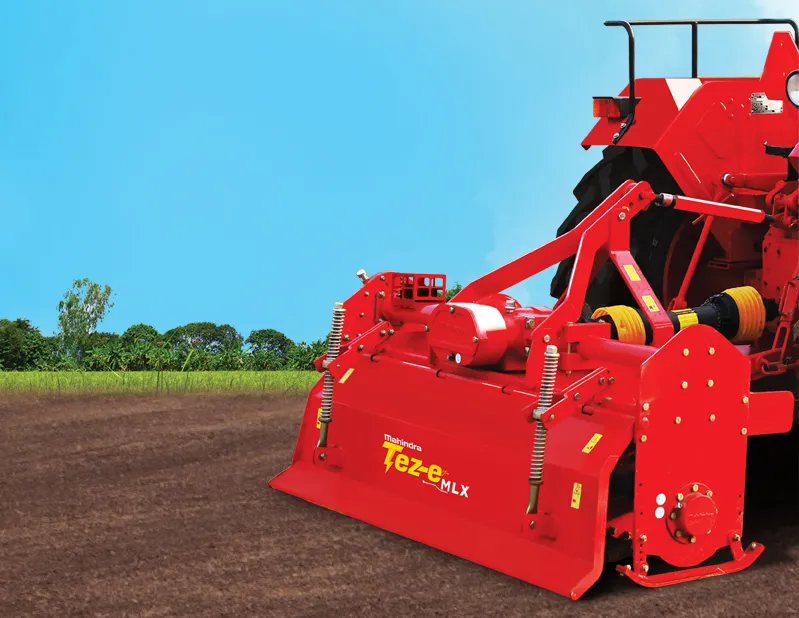
Rotavator Tez-E MLX
Rotavator Tez-E MLX is significant in the preparation of vineyard soils. Read More
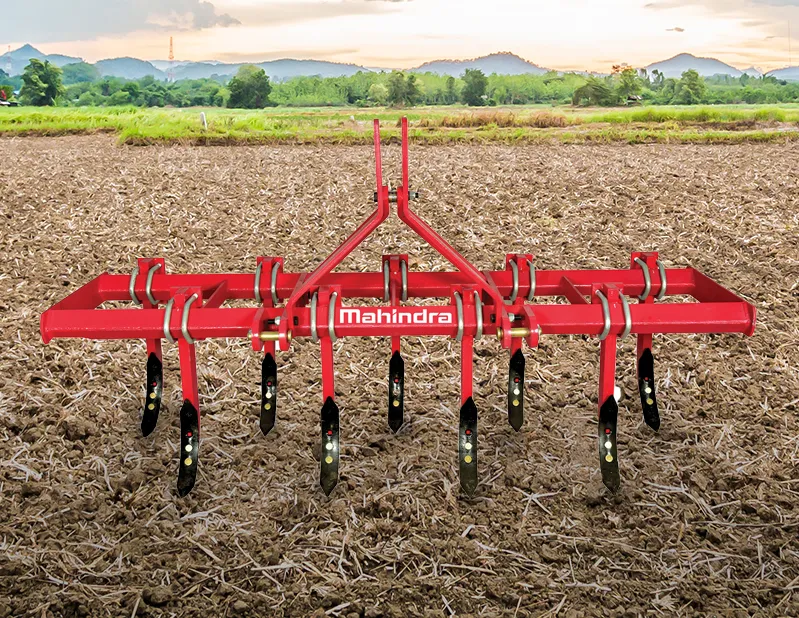
Rigid Cultivator 5 Tynes/9 Tynes
The Rigid Cultivator comes in 5-tyne and 9-tyne models and is used to loosen the soil and de-root the weeds between the grapevine rows. Read More
Heavy Duty Spring Loaded Cultivator
The Spring-Loaded Cultivators of Mahindra have both heavy and medium-duty versions, which are flexible in controlling the weeds in the vineyards that have uneven terrains. Read More
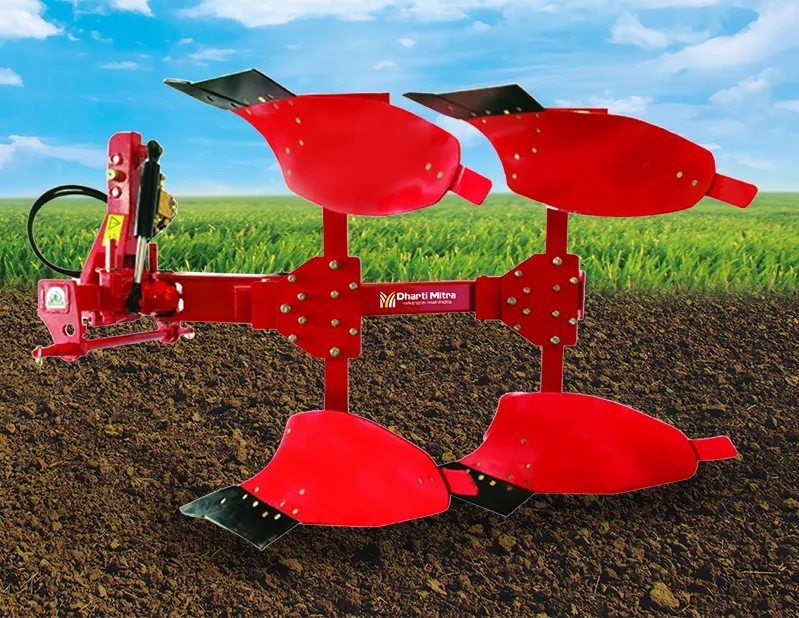
Dharti Mitra MB Plough
Dharti Mitra MB Plough is essential for deep soil turning in the initial phase of land preparation. Read More
Rotavator Tez-E MLX is significant in the preparation of vineyard soils. It also works well to grow and aerate hard, vineyard soil, mix organic matter, and give rise to a fine seedbed within which the roots of grapevines can thrive well. This implement is compatible with Mahindra vineyard tractors whose power and hydraulics run on PTO to provide a smooth and fuel-efficient operation. The soil must be prepared with the help of rotavators, particularly when the new vineyards are being made, and post-harvest conditioning.
The Rigid Cultivator comes in 5-tyne and 9-tyne models and is used to loosen the soil and de-root the weeds between the grapevine rows. It also maintains the mixing of soil, and the roots of the vines are not destroyed, which is crucial during the growing season to make sure that soil is not compacted and the roots of the plants do not disturb each other. The powerful frame and removable tines decrease the disturbance of the soil that is not in the target zones. The option of 5 or 9 tynes allows farmers to balance the soil turnover and fuel usage depending on the requirements of the field.
The Spring-Loaded Cultivators of Mahindra have both heavy and medium-duty versions, which are flexible in controlling the weeds in the vineyards that have uneven terrains. The spring system protects the implement against shocks and also ensures that there is a consistent contact between the implement and the soil, enhancing the efficiency of weed uprooting without much harm to the crop roots. The heavy-duty cultivator is designed to be used in more challenging weedy conditions, whereas the medium-duty cultivator will suit the challenges of lighter weed management.
Dharti Mitra MB Plough is essential for deep soil turning in the initial phase of land preparation. Its capacity to turn the layers of the soil surface exposes new nutrients to the surface and enhances the aeration and water penetration of the soil. This is important prior to the establishment of the vineyards to establish a well-drained rooting zone. The design of the plough ensures the least compaction of the soil as well as functioning with the diverse Indian soils to improve root development of the grapevine and an overall increase in the vigour of the plant.
Common Challenges and Their Solutions in Grape Farming
Grape farmers face issues like pests, water stress, and market fluctuations that can be managed through scientific practices.
1. Pest and Disease Attack
Pests like thrips, mealybugs, and flea beetles can easily get into grapevines. These flies can spread diseases like powdery mildew and downy mildew. Both of these infections can hurt leaves, slow down photosynthesis, and change the way fruit clusters grow. In such situations, you can use disease-resistant varieties and follow integrated pest management practices. At the same time, conduct regular monitoring and apply biological control agents or neem-based sprays for reducing pest populations.
2. Water Stress
Both water shortages and over-irrigation harm grapevine health. Drought reduces berry size and yield, while excess water can lead to root rot and poor fruit quality. Inconsistent moisture also affects sugar levels and delays ripening. You can adopt drip irrigation systems to provide a precise water supply directly to the roots of grapevines. To facilitate this, schedule irrigation based on soil moisture if fixed interval spraying is not helpful.
3. Fruit Cracking
Fruit cracking occurs when there is an unequal water supply or unequal fertilisation of the vines. By this process, the skin of the berry enlarges too rapidly following a dry season due to immediate watering. Consequently, it brings divisions that reduce the prices of berries. To keep the soil moist, you can avoid the sudden irrigation once it has dried out after some time. Establish a controlled nitrogen so as to maintain a balanced fertiliser program to avoid excessive vegetative growth.
4. Nutrient Deficiency
Deficiency of micronutrients like zinc, boron and magnesium may lead to yellowing of leaves, low fruit set and small berries. Excess application of chemical fertilisers without conducting any soil test can also result in an unequal situation that favours the weakening of vines in the long run. To prevent such cases, soil and leaf analysis should be done regularly to detect deficiencies at the initial stages. Use the necessary level of micronutrients in foliar spray or fertigation to be absorbed rapidly.
5. Climate Variability
Frost and rain or heat waves are also unpredictable weather conditions that may interrupt flowering and lead to low yield. Rains during ripening can lead to fungal infection or damage to the fruit crop. Long dry seasons may compromise the sweetness of the berries. Select local grape varieties that are able to withstand local weather conditions. The other alternative is the use of certain equipment, such as windbreaks, shade nets or covers, if it is in extreme weather conditions.
6. Low Market Price
Price fluctuation is a major concern, specifically during peak harvest season. Farmers who sell only as table grapes often get less profit due to the competition and the short shelf life of the berries. You can diversify production by making raisins, juice or wine to increase profitability. At the same time, use the cold storage to increase the life span of the cultivated grapes.
7. High Input Costs
Grape cultivation includes an elaborate process. So, there are a lot of investments involved in the entire process. The specialised nature of the entire farming process means that there will be targeted equipment, tools, and several high-quality inputs. Other than that, the cost for advanced crop protection and trellis systems will also be high. Government subsidies and financial aid, while investing in tools and equipment, can prove to be a huge relief.
Post-Harvest & Storage Best Practices
Post-harvest handling determines grape shelf life, freshness, and suitability for export markets.
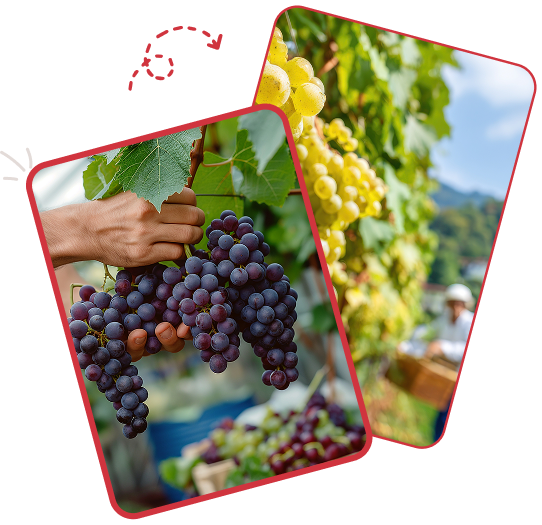
- Harvest Timing –When grapes are well developed and have reached the right level of sugar of approximately 22 °Brix, they are supposed to be harvested. The overripe or underripe clusters reduce the shelf life and quality of the clusters. The fruit should be harvested in the morning or evening to avoid heat stress to the fruit.
- Handling During Harvest–Use sharp knives or scissors to cut the bunches carefully so as not to bruise the berries. Clusters should not be pulled by hand. In order to prevent crushing, the harvested bunches must be placed in shallow and well-ventilated crates instead of deep baskets.
- Field Sorting and Grading –Pick off all the damaged, diseased and uneven berries upon harvesting. Grading of fruit could be done based on size, colour, and consistency to help with market presentation and ensure increased price realisation.
- Pre-cooling – Pre-cooling fresh grapes within a few hours of harvest should be done in order to remove field heat. Cooling grapes to approximately 4 - 6 °C helps enhance their shelf life by preventing loss of moisture and slowing down respiration.
Post-Harvest & Storage Best Practices
1. Harvest Timing
When grapes are well developed and have reached the right level of sugar of approximately 22 °Brix, they are supposed to be harvested. The overripe or underripe clusters reduce the shelf life and quality of the clusters. The fruit should be harvested in the morning or evening to avoid heat stress to the fruit.
2. Handling During Harvest
Use sharp knives or scissors to cut the bunches carefully so as not to bruise the berries. Clusters should not be pulled by hand. In order to prevent crushing, the harvested bunches must be placed in shallow and well-ventilated crates instead of deep baskets.
3. Field Sorting and Grading
Pick off all the damaged, diseased and uneven berries upon harvesting. Grading of fruit could be done based on size, colour, and consistency to help with market presentation and ensure increased price realisation.
4. Pre-cooling
Pre-cooling fresh grapes within a few hours of harvest should be done in order to remove field heat. Cooling grapes to approximately 4 - 6 °C helps enhance their shelf life by preventing loss of moisture and slowing down respiration.
5. Packaging
Plastic crates lined with paper or corrugated boxes with air holes must be used to absorb moisture. Sulphur dioxide (SO2) pads are often placed in the box to prevent fungal infection and rotting of the grapes being shipped.
6. Storage Duration
The shelf life of grapes depends on temperature, humidity, and handling practices. Freshly harvested grapes should be pre-cooled soon after picking to remove field heat and reduce respiration. Under normal circumstances, grapes can be handled 7-10 days prior to when the quality begins to be affected.
7. Controlled Atmosphere
Grapes retain their firmness and flavour during 45-60 days of storage at 0-2°C and relative humidity of 90-95. Controlled atmosphere (CA) storage with the addition of temperature control and gaseous control (oxygen and carbon dioxide) can offer up to 70 days of storage. Pads of sulfur dioxide (SO2) and ventilated bags are applied to inhibit the growth of fungus and loss of moisture in grapes.
8. Transportation
The cultivation of grapes needs some sort of planning for both the local and long-term transportation to avoid losses post-harvest. Covered or insulated vehicles are suitable when travelling short distances to neighbouring markets. Temperature-controlled vehicles or refrigerated trucks are required in order to preserve the cold chain of export packages and remote markets.
States Where Grapes are Grown in India
Grapes are mostly cultivated in Maharashtra, Karnataka, Tamil Nadu, Andhra Pradesh, Telangana, Punjab, and Haryana.
Grape cultivation in India has spread across several regions, each of them developing its own viticulture practices suited to local climate, soil, and market preferences. While the crop is grown in more than a dozen states, six stand out for their commercial significance and contribution to both domestic consumption and export markets.
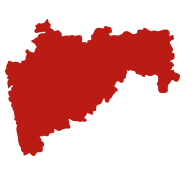
Maharashtra:
accounts for 80% of the total production in India.
The grape belt centre lies in the districts of Nashik, Sangli, Solapur, Pune, and Ahmednagar,
The grape belt centre lies in the districts of Nashik, Sangli, Solapur, Pune, and Ahmednagar, which have well-drained black soils, less rainfall, and dry climates during the ripening period. The city of Nashik, with the nickname Wine Capital of India, has experienced a very fast increase in the number of both table and wine grape vineyards.

Karnataka
The second-largest state for producing the grape crop in India.
Considerable growers of the grape are Bangalore Urban, Kolar, Chikkaballapur, and Bijapur…
Considerable growers of the grape are Bangalore Urban, Kolar, Chikkaballapur, and Bijapur. Its climate is favourable, especially to the wine grape varieties such as Cabernet Sauvignon, Shiraz, Chenin Blanc grape and Sauvignon Blanc grape because it is a warm and dry climate with mild winters.

Tamil Nadu:
Longest grape-harvest season
Coimbatore, Theni and Dindigul are the districts that produce table…
Coimbatore, Theni and Dindigul are the districts that produce table and juice grapes. The combination of optimal growing conditions and efficient irrigation systems allows grapevines to produce two yearly crops as opposed to the north, where there is only one crop.

Telangana:
One of the top producers of seedless grape varieties
The semi-arid climate of the areas around Ranga Reddy, Medchal, and Anantapur…
The semi-arid climate of the areas around Ranga Reddy, Medchal, and Anantapur districts concentrates the vineyards in the same areas. In this region, farmers prefer seedless varieties, including Sonaka, Flame Seedless and Thompson Seedless, which are common in domestic and overseas markets.
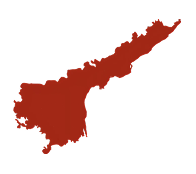
Andhra Pradesh:
cAccounts for 1.34% of total grape production.
Apart from Telangana, this is another state that supports grape…
Apart from Telangana, this is another state that supports grape farming to a considerable extent. Regions like Anantapur and Chittoor are especially known for grape cultivation.

Punjab:
0.20% contribution to the total production across the country
Cultivation of grapes is a relatively new diversification strategy…
Cultivation of grapes is a relatively new diversification strategy; however, traditionally, Punjab has always produced wheat and rice. Climatic conditions in the state are favourable to growing table grapes, where adequate irrigation for grapes and pruning methods are observed due to the dry climate, too much sun, and groundwater.

Haryana:
290 tonnes of production in 2021-2022
The use of greenhouses and protected cultivation is gaining momentum…
The use of greenhouses and protected cultivation is gaining momentum in the southern regions of the state. The majority of vineyards are located in the south, where farmers are trying with the Sharad and Flame Seedless varieties. Drip irrigation and plastic mulching are used to minimise evaporation losses.
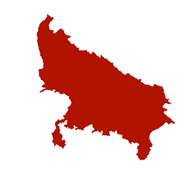
Uttar Pradesh:
Popular for small-scale grape production
In certain regions and belts of Uttar Pradesh, grape cultivation has gained momentum…
In certain regions and belts of Uttar Pradesh, grape cultivation has gained momentum. In places such as Saharanpur, small-scale farming activities are carried out. The yields are of top quality and contribute to small-scale output.
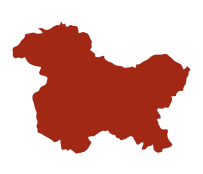
Jammu & Kashmir:
Extensive grape cultivation in Repora Village
There are several regions in this state where grape farming is carried out…
There are several regions in this state where grape farming is carried out. However, the most popular is the Ganderbal district, which is also famously known as the ‘Grapes Village of Kashmir.’ The majority of cultivation takes place in the Repora village, which has the best-quality vineyards.

Mizoram :
Maximum people are engaged in grape cultivation
Hnahlan village in the state of Mizoram comes across as a surprise package…
Hnahlan village in the state of Mizoram comes across as a surprise package, where the majority of residents, locals, and villagers are involved in grape cultivation. According to research conducted by horticulture experts, the climate and soil conditions in this village are ideal for grape farming.
Grape Farming Schemes & Subsidies
Government initiatives such as PMKSY and the National Horticulture Board provide financial and technical assistance to the development of vineyards.
The governmental initiatives are favourable to the grape producers by lowering the production expenses, enhancing the technology uptake and safeguarding the weather. The following programs provide direct financial support, infrastructure or insurance cover to boost the productivity and profitability of the vineyards.

PMKSY - Drip Irrigation Support for Vineyards:

National Horticulture Board - Vineyard Establishment & Cold Chain Assistance:

NFSM-Horticulture - Productivity & Training for Grape Growers:

National Food Security Mission - Training and Field Demonstrations:
Testimonials
Additional resources offer insights on equipment, techniques, and agricultural best practices.
Grapes Farming FAQs Every Farmer Asks (FAQs)
What is the ideal climate for grape cultivation in India? +
Grapes grow best in warm and dry climates with temperatures between 15°C and 35°C. Such weather supports healthy vine growth, better flowering, and proper fruit ripening. Low humidity during ripening helps maintain berry quality and reduces fungal diseases.
Which soil is best suited for grape farming? +
Well-drained sandy loam or medium black soil with a pH between 6.5 and 8.0 is ideal. These soils allow deep root development and efficient nutrient uptake. Proper drainage prevents waterlogging and supports long-term vine health.
When should you plant grapes in India? +
Grapevine planting is best done from December to February in western and southern regions. In northern areas, planting should be done in late winter. Choose a time when soil moisture is adequate but not soggy to ensure strong root establishment.
Which grape varieties are most profitable in India? +
Popular and profitable varieties include Thompson Seedless, Sharad Seedless, Sonaka, Flame Seedless, and Bangalore Blue. Thompson and Sonaka perform well in dry climates and export markets. Always select a variety suited to your local soil and rainfall conditions.
How should you prepare land for grape farming? +
Begin with deep ploughing up to one meter to loosen the soil thoroughly. Level the field and incorporate 10–15 tons of compost or manure per acre. Ensure proper drainage and install drip irrigation lines before planting for uniform moisture.
What irrigation method works best for vineyards? +
Drip irrigation is the most suitable method as it delivers water directly to the root zone. It conserves water, maintains precise soil moisture levels, and supports fertigation. This system promotes uniform berry size and healthier vines over time.
How often should you water grapevines? +
During active growth, irrigation is typically required every five to seven days. Frequency may vary depending on soil type and temperature. Regular watering is especially important after pruning, during flowering, and berry development stages.
What machinery is useful in grape farming? +
Compact tractors such as Mahindra JIVO 245 Vineyard and JIVO 305 DI are well suited for narrow vineyard rows. They efficiently operate rotavators, cultivators, and power sprayers. Compatible trailers also help transport manure, crates, and harvested produce with ease.
How can you control pests and diseases in vineyards? +
Integrated Pest Management combines biological controls, neem-based sprays, and minimal pesticide use. Open canopies and regular pruning improve airflow and reduce humidity, lowering fungal risks. Early monitoring helps manage thrips, mealybugs, and mildew effectively.
What are the main challenges in grape cultivation? +
Common challenges include pest pressure, uneven irrigation, nutrient imbalance, and unpredictable weather conditions. These factors affect yield and fruit quality. Using resistant varieties, proper irrigation scheduling, and soil testing helps minimise risks.
How should you store grapes after harvest? +
Grapes should be pre-cooled immediately after harvest to remove field heat. Store them at 0°C to 2°C with 90–95% humidity. Sulfur pads and ventilated crates help prevent fungal infections and extend storage up to two months.
How can you extend the shelf life of grapes? +
Controlled-atmosphere or cold storage preserves colour, texture, and flavour. Gentle handling, proper pre-cooling, and careful packing significantly improve shelf life and maintain export-quality standards.
What subsidies can you use for grape farming? +
Support for drip irrigation is available under PMKSY and related schemes, while vineyard establishment assistance is provided by the National Horticulture Board. Additional benefits may be accessed through horticulture and farm mechanisation programs, helping reduce initial investment and manage weather-related risks.
Why are Mahindra tractors preferred in vineyards? +
Mahindra vineyard tractors are compact yet powerful, making them ideal for narrow rows. Their steady PTO performance supports sprayers and cultivators efficiently, while strong hydraulics handle heavy attachments with stability.
How can you prevent fruit cracking in grapes? +
Fruit cracking is usually caused by irregular watering or excess nitrogen. Maintain consistent soil moisture and avoid heavy irrigation after dry periods. Balanced fertilisation and proper canopy management help keep berry skin firm and healthy.


 Not happy
 Could be better
 It's okay
 Good
Good Excellent