


Sugarcane Farming
Learn practical, modern methods that save time, cut waste, and reduce costs. Follow a simple step-by-step process, from land preparation and healthy seed sets to efficient irrigation, balanced nutrients, and timely harvest, for sweeter cane and steady income.
Introduction to Sugarcane Farming
Sugarcane farming fuels India’s sugar industry, providing raw material for sweeteners, jaggery, and ethanol production.
Sugarcane thrives in warm weather, deep soils, and fields that drain well after rain. It is planted using cut pieces of cane (setts) with healthy buds, which sprout and form clumps. Good sugarcane cultivation starts with level land, clean drains, and a fine, moist seedbed. Choose region‑fit varieties and use disease‑free seed.
A quick sett treatment before planting can save many problems later. Straight rows and the right spacing make weeding, earthing‑up, and fertiliser placement easy. Water planning matters: keep the root zone moist, avoid waterlogging, and drain quickly after heavy showers. Feed in splits - early for roots, more during grand growth, and ease off before ripening.
Keep notes on sowing dates, rains, fertiliser splits, and pest checks; these small records help improve the plan each year. At harvest, cut clean at ground level, de‑top properly, and take cane to the mill quickly to protect sugar recovery. With steady timing and a few simple habits, the season stays profitable.
Importance of Sugarcane Farming
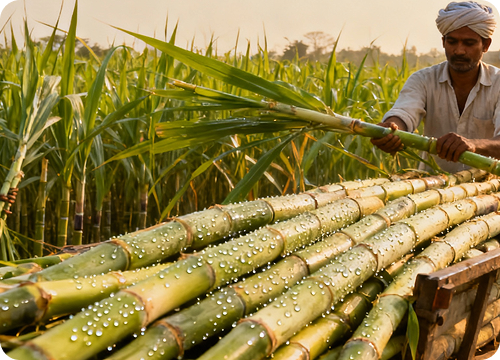
As a high-value cash crop, sugarcane supports rural economies, creates jobs, and contributes to the energy and food sectors.
Sugarcane farming supports families, village jobs, and local factories, so small field improvements make a big difference across the chain. Here are four simple reasons the sugarcane crop India farming matters.
Income and livelihoods
The sugarcane farming process creates steady work for labourers, transporters, and mills. When land is levelled, rows are straight, and operations run on time, the crop matures evenly and enters the mill faster. That means fewer delays, better recoveries, and more predictable payments.
Soil and water care
Deep tillage where needed, organic matter, and clean drains help roots go down and handle dry spells. Good water use (short, timely turns rather than long floods) keeps the crop growing without stressing stems. Simple steps like mulching and alternate‑furrow irrigation cut losses.
Quality and recovery
Clean harvesting, detopping at the right point, and quick delivery protect juice quality. Avoiding stale cane, muddy loads, and delays lifts recovery more than a small boost in yield. Neat handling means less dirt, fewer leaves, and a better price.
Strong local linkages
Cane supports jaggery units, ethanol, power cogeneration, and by‑products like press mud and bagasse. When fields deliver uniform, timely lots, mills schedule smoothly, tankers turn fast, and both farmers and factories gain. A tidy field today often shows up as quicker payments tomorrow.
Sugarcane Cultivation Process
From seed cane planting to harvesting, sugarcane farming demands long-term care, timely irrigation, and pest management for optimal yields.
Let’s take a look at the necessary steps and innovative methods to follow for sugarcane cultivation.
1. Land Preparation
Open the soil well so roots can breathe and water can soak in and then drain. Remove old residues and tough weeds, then plough or subsoil where hard pans exist.
- Level the field to remove highs and lows; standing water hurts the cane early on.
- In heavy or black soils, set clear drains and lay out ridge-furrow or trench lines so water never sits around the stool.
- Add compost or well-rotted manure to improve structure and moisture holding. Lime or gypsum can help balance pH as per local advice.
2. Seed Selection
Pick region‑fit varieties with good yield, ratooning ability, and tolerance to common pests and diseases.
- Use fresh, disease-free seed cane from a clean nursery block. Prefer two- or three-budded setts with well-formed eyes.
- Treat setts (as per local recommendations) to reduce sett-borne issues like smut or red rot.
- If using bud-chip or single-eye methods, raise sturdy seedlings in trays or polybags and transplant into a well-prepared field.
- Keep seed cool and shaded before planting; do not let setts dry in the sun. Always keep a small reserve bundle to fill gaps early.
3. Sowing Methods
Choose sugarcane sowing methods based on soil and rainfall:
- Furrow or ridge-furrow – Make furrows 20–25 cm deep at 90–120 cm spacing (as suited), place setts end-to-end, cover lightly, and leave furrows partly open for irrigation and later earthing-up.
- Trench – Deeper channels for tall cane or windy areas; supports strong stools, better moisture, and stability.
- Paired-row or wider dual row – Improves light and airflow; helps interculture and mechanisation.
4. Irrigation Management
Plan irrigation for sugarcane around key stages: germination, tillering, growth, and early ripening. Keep the root zone moist, not soggy.
- In furrow systems, prefer alternate-furrow watering to save water and reduce lodging. In drip or subsurface drip, feed little and often; this holds steady growth and cuts nutrient losses.
- After heavy rain, drain low pockets quickly. Avoid long dry breaks in the grand growth and avoid heavy irrigations just before harvest, which can dilute sugar.
- Mulch with trash where possible to slow evaporation and keep the soil cool. In the ratoon, irrigate soon after harvest to restart sprouting.
5. Fertilization
Start with a soil test. Apply basal phosphorus for roots and early vigour, then split nitrogen into two or three doses matched to growth, with potassium to strengthen stalks and improve juice quality.
- Micronutrients like zinc or boron may be needed in some fields – correct early if symptoms appear.
- Where drip exists, use fertigation to feed small, regular doses. Mix in compost or press-mud to build soil life and structure.
6. Pest & Disease Management
Walk fields weekly. Check the base and mid‑stalk for early shoot borer and internode borer, and look for white grubs or scale in problem areas.
- Keep bunds and inter-rows clean to reduce pest shelters. Use healthy seed, proper sett treatment, and rotate or replace nurseries to avoid seed-borne diseases like smut and red rot.
- Maintain balanced nutrition; soft, lush growth invites pests and disease. Use pheromone traps where relevant and act on thresholds, not by calendar.
- Rotate modes of action to slow resistance. After the last harvest, destroy leftover stubble in infected patches and avoid carrying problems into the next cycle.
7 .Harvesting & Post-Harvest
For sugarcane harvesting techniques, cut when fields reach maturity: firm stalks, proper brix as per local guidance, and dry, settled weather.
- De-top at the right point, cut clean at ground level (do not leave high stubble), and strip leaves without dragging mud.
- Avoid burning where possible; clean cane gives better recovery and price. Move the cane quickly to the mill; fresh is best.
- Keep loads off bare soil, cover in transit if dusty or drizzly, and avoid mixing muddy sticks with clean ones.
- A tidy finish this season sets up a stronger start for the next.
Right Time and Soil for Sugarcane Farming
Plant sugarcane in warm months with adequate water in deep, fertile, and well-drained soils for strong root and cane growth.
Ideal Season for Sugarcane Cultivation
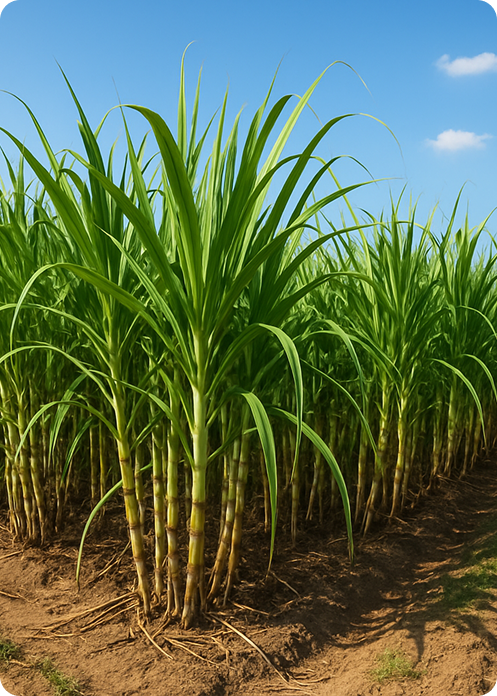
Sugarcane needs a warm start, steady moisture, and a long growing window. In many parts of India, there are three workable planting windows: autumn, spring, and a longer “adsali” or monsoon window in places that can support a 16-18‑month crop.
- Plant when the soil is warm, the seedbed is moist but not sticky, and field drains are ready for a heavy shower.
- Late planting into cold or dry soil slows sprouting and cuts final yield.
- Pick the window that matches water availability and local mill schedules.
- Autumn planting suits areas with assured irrigation and gives an early start for the next crushing season.
- Spring planting fits after rabi harvests and works well if summer water is available. The longer monsoon window pays where rainfall is reliable and fields drain fast.
- It often gives heavier canes and good sugar recovery because the crop enjoys more growing time.
Soil Requirements for Sugarcane Farming
Rich alluvial or loamy soils with good drainage, high nutrient content, and slightly acidic to neutral pH encourage healthy canes.
- Sugarcane likes deep, well-drained soils that hold moisture but do not stay waterlogged. Loam and clay-loam soils are friendly because roots can push deep and still breathe. Black soils can produce excellent cane if the drains are clear and water moves away after rain.
- Level the field to remove high and low patches; lows become soggy and highs dry too fast. If the subsoil is tight, a one-time subsoiler pass in the dry season can break pans and help roots chase moisture deeper.
- Add compost or well-rotted manure before planting to build structure, improve water holding, and feed soil life. Green manures between cycles are a low-cost way to boost organic matter and keep the topsoil alive. Set clear drains, especially in heavier soils.
- Keep pH near neutral if possible. Very acidic spots benefit from liming; very sodic patches respond to gypsum as per local advice. Where salinity creeps in, improve drainage, use raised beds or wide furrows, and flush salts during a well-timed irrigation.
- Simple checks go a long way: squeeze a moist handful – it should hold shape and then break with a tap. Pour a little water on the surface – if it sits too long, you need better structure, and if it vanishes instantly, you need more organic matter.
Weather Conditions
-
Sugarcane is a tropical crop.
Germination is best in warm, settled weather; young canes do not prefer cold snaps and standing water. Through tillering and grand growth, the crop wants steady moisture, bright days, and nights that are not too hot. During ripening, a cooler, drier spell helps sugar set well. Frost is harmful, and extreme heat or hot winds can scorch leaves, drop tillers, and shrink brix if water is short.
-
Rainfall matters most when it is well spread.
Heavy bursts followed by long dry breaks cause stress and invite pests and disease. Plan for short, timely irrigations on light soils and fewer, deeper turns on heavier soils - always with good drainage after each event.
-
Mulch with trash where possible
This will help to slow evaporation and keep the soil cool. In windy belts, simple windbreaks on edges reduce lodging and bruising. Keep a simple notebook of sowing dates, first tillers, grand growth start, and expected maturity.
-
Heat units and diurnal swing
Sugarcane accumulates sugar in its stalk when it gets enough warm days for strong growth and cool nights that slow down its growth and help the plant store sugar in the stalk. Aim for steady, warm days with cooler, frost‑free nights during the time of ripening. Bright sunlight during the daytime with low temperatures during the night helps the cane harden and sugar to accumulate in stalks.
Traditional Vs Modern Sugarcane Farming
Traditional methods focus on manual planting and natural inputs, whereas modern techniques use mechanisation, advanced irrigation, and high-yield varieties.
What is Traditional Sugarcane Farming?
In traditional sugarcane farming, land is ploughed a few times using basic implements to loosen the soil and remove weeds or crop residues. Furrows are then opened with animal-drawn or small mechanical tools. The goal is to create a soft, aerated seedbed where cane setts can root easily, ensuring healthy sprouting and good early growth.
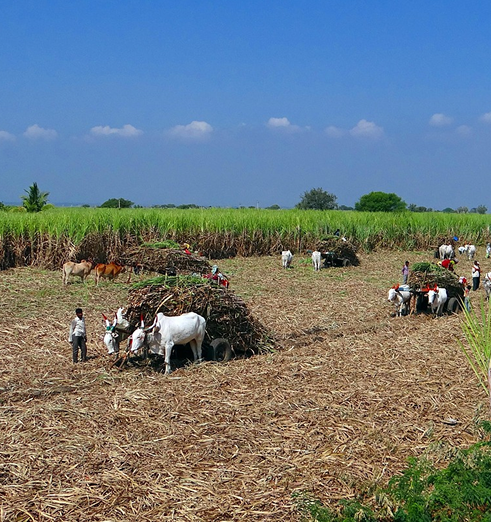
- Farmers usually cut seed cane from their own mature fields, selecting sturdy stalks with healthy buds. They prepare two- or three-budded setts and lay them end-to-end in open furrows.
- Watering is mostly done through flooding or by running water along long furrows. This traditional approach is easy to manage and requires minimal equipment, though it uses more water than modern systems.
- Farmers rely on manual tools like hoes for removing weeds and raising soil around the base of the plants. These tasks are usually done by family members or local labourers.
- Fertilisers are generally applied in two or three large doses instead of split applications. Farmers often use traditional judgment: if leaves turn pale, they apply more nitrogen; if growth looks slow, they add manure or compost.
- Crop monitoring is done visually without scientific testing. Farmers look for visible pest damage or leaf symptoms and then apply broad insecticide or fungicide sprays when needed.
- After the first harvest, farmers usually keep the same stool to regrow the next crop, called ratoon cane. They irrigate the field soon after cutting to promote sprouting, saving time, labour, and seed costs.
What is Modern Sugarcane Farming?
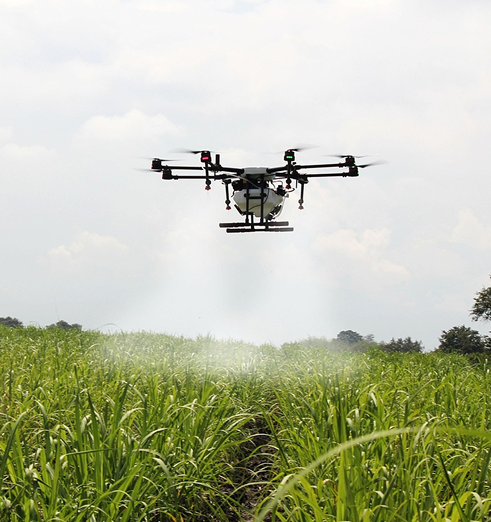
Modern sugarcane farming focuses on precision and timing. The goal is simple: do each job right, at the right moment, so the crop stays steady. Fields are laser-levelled or carefully levelled to move water evenly. Furrows or trenches are laid out straight for clean operations.
- Depth and spacing are kept consistent, and gaps are filled within days. Water is delivered through drip or well-planned furrows, using short, timely turns so the root zone stays moist but never soggy. Fertigation or split applications match crop stages, cutting waste and soft, disease-prone growth.
- Crop care leans on scouting and thresholds, not guesswork. Pheromone traps, field walks, and simple notes guide early, softer actions. Trash is mulched where clean to protect the soil and slow evaporation. In ratoon crops, stubble is shaved, gaps are filled quickly, and the first irrigation comes early to initiate growth.
- Harvest is planned, not rushed: fields are tested for maturity, cut clean at ground level, and moved quickly to the mill for better recovery. Mechanisation is used where it pays—planters, ridgers, inter-cultivators, and loaders—to save time and smooth labour peaks.
- Records are kept short and useful, covering sowing date, irrigations, fertiliser splits, pest checks, and harvest date. Each season, plans are adjusted using these notes. Modern farming is not about expensive gadgets, but about small, steady habits that add up to stronger cane and cleaner loads.
Requirements for Modern Sugarcane Farming
Difference Between Traditional & Modern Sugarcane Farming
| Aspect | Traditional Potato Farming | Modern Potato Farming |
|---|---|---|
| Land & layout | Basic tillage, uneven levels, long furrow irrigation and slow drainage in heavy soils. | Laser/precise levelling, clear drains, straight furrows/trenches for even water and easy fieldwork. |
| Planting material | Farm‑saved setts, minimal treatment; variable vigour and gaps filled late. | Treated setts or bud‑chip seedlings; uniform depth/spacing and early gap‑filling for even stands. |
| Water & nutrients | Flood or long turns; big fertiliser splits, higher losses and softer growth. | Drip/short turns; split doses or fertigation matched to stages for steadier growth and recovery. |
| Pest & disease | Visual checks, calendar sprays; higher resistance risk and rescue costs. | Scouting and thresholds; rotated actives, airflow, and mulching reduce pressure and spray bills. |
| Ratoon & harvest | Late stubble shaving, mixed maturity; slower delivery, variable recovery. | Early stubble shaving, planned maturity; clean cut, quick delivery, better sugar recovery and grade. |
| Labor & costs | High manual share, peak bottlenecks; more rework after weather shocks. | Smoother schedules, shared tools, fewer peaks, less rework, and calmer weeks in busy periods. |
Best Suitable Tractors for Sugarcane Farming
High-horsepower tractors with strong pulling capacity are ideal for deep tillage, row planting, and hauling heavy cane loads.
Sugarcane needs two kinds of muscle: a compact, nimble tractor that slips between rows without hurting stools, and a high‑power workhorse that breaks ground, opens furrows, and hauls heavy trolleys. Pick one for row work and one for heavy jobs, or choose a mid‑power machine that does most tasks well.
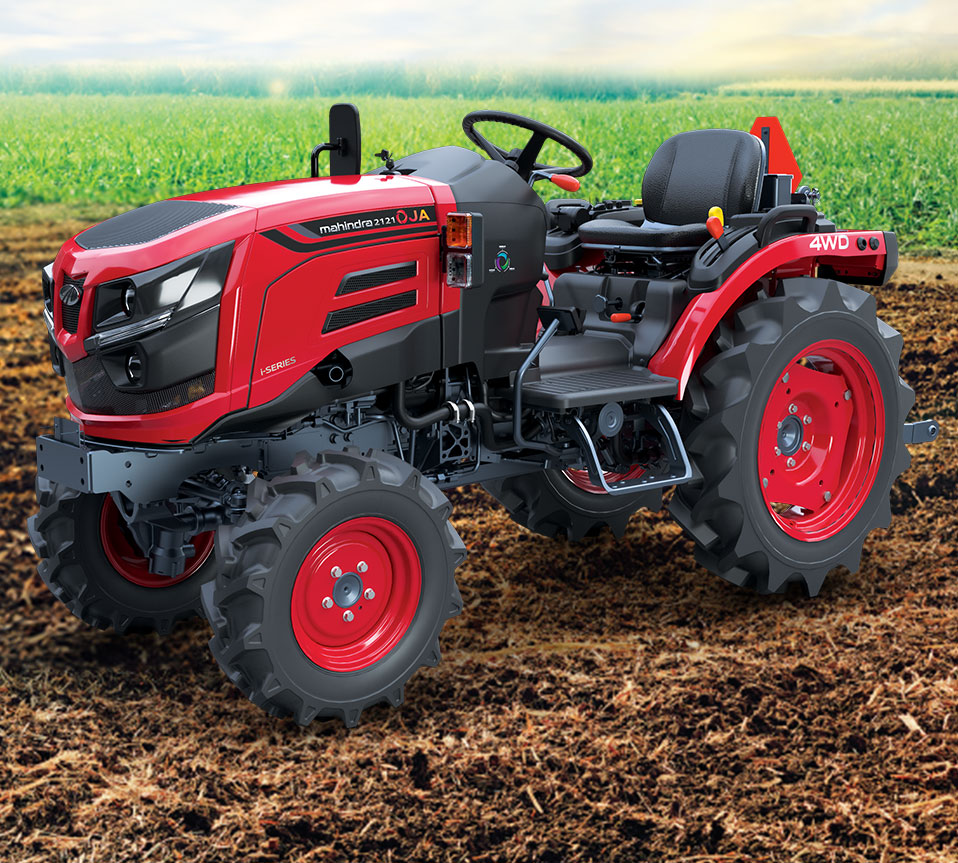
Mahindra OJA 2121 Tractor
The Mahindra OJA 2121 Tractor is designed for precision farming and intercultural operations in crops like sugarcane. Read More
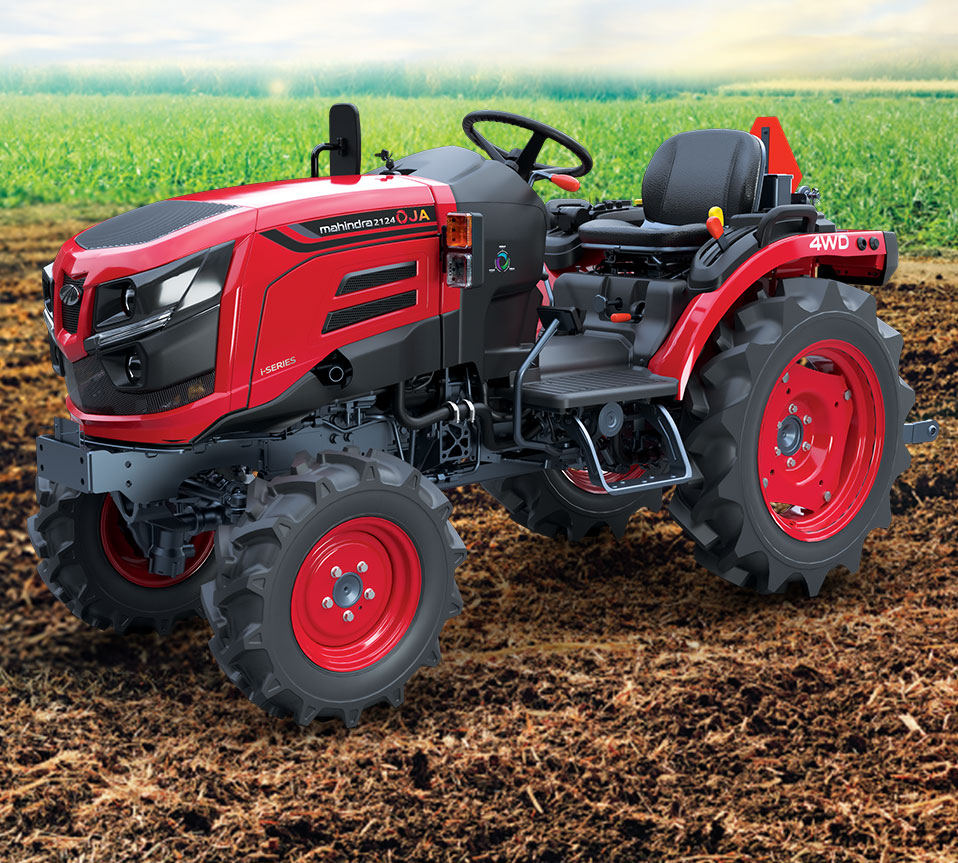
Mahindra OJA 2124 Tractor
The Mahindra OJA 2124 Tractor offers a good balance of power and efficiency for varied farm activities. Read More
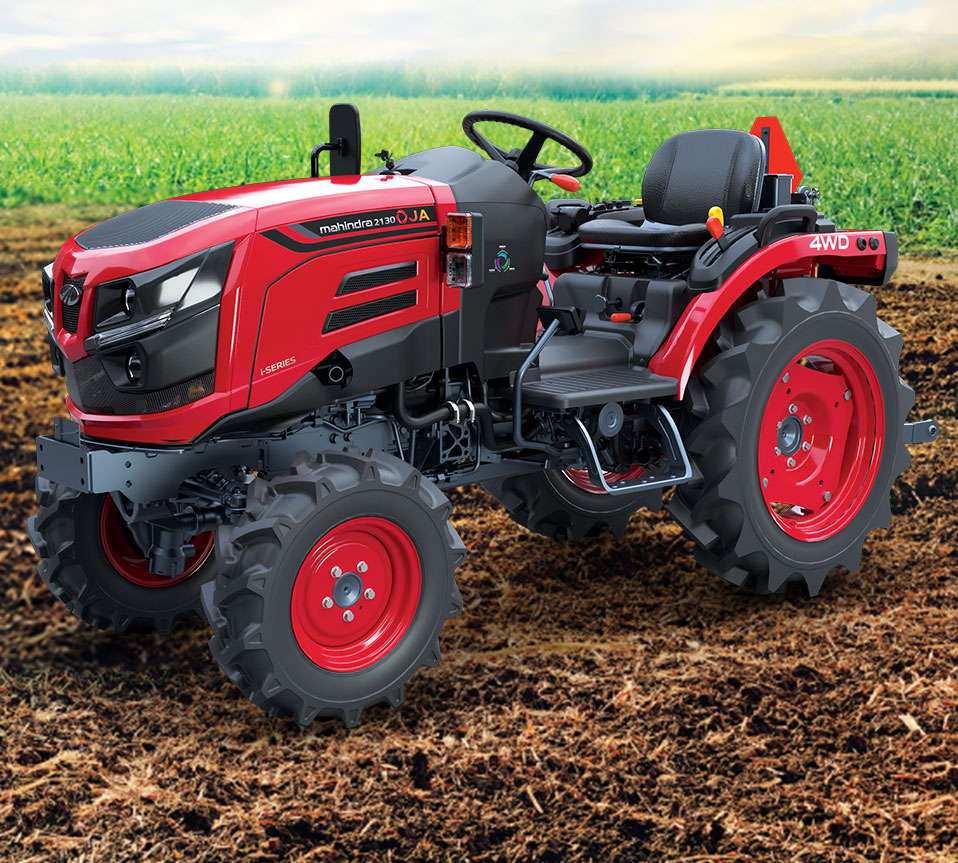
Mahindra OJA 2130 Tractor
The Mahindra OJA 2130 Tractor is built with a favourable power-to-weight ratio, helping reduce soil compaction during fieldwork. Read More
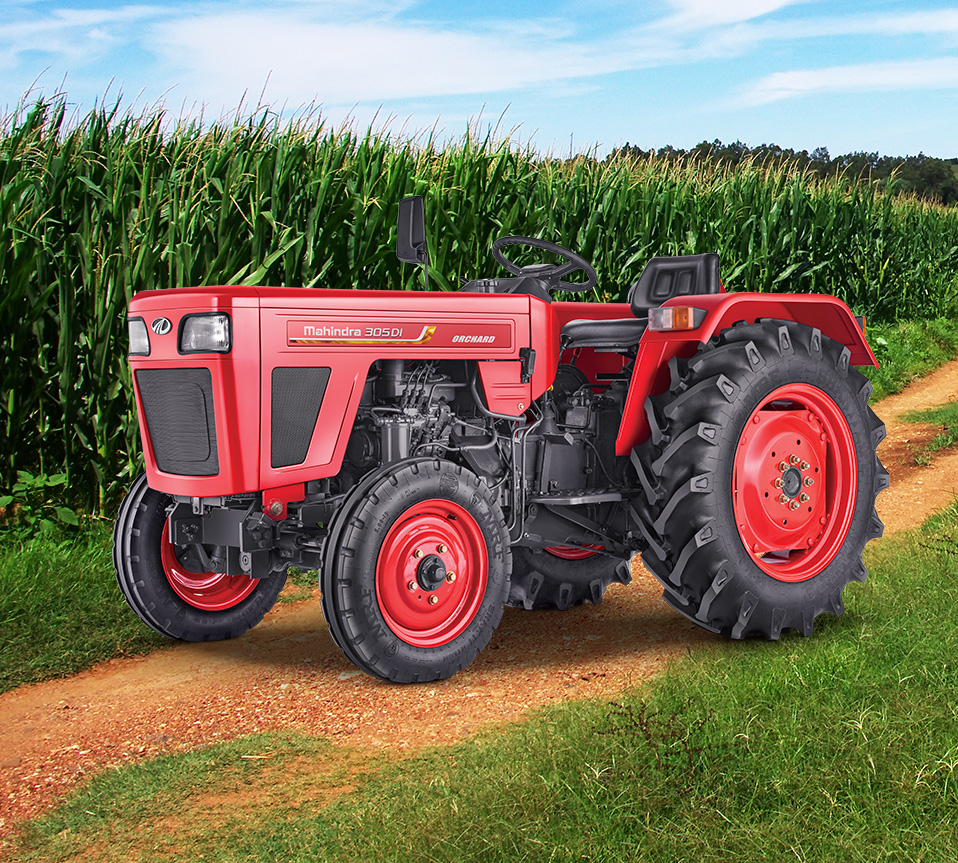
Mahindra 305 Orchard Tractor
The Mahindra 305 Orchard Tractor is engineered for narrow-field farming where space management is critical. Read More
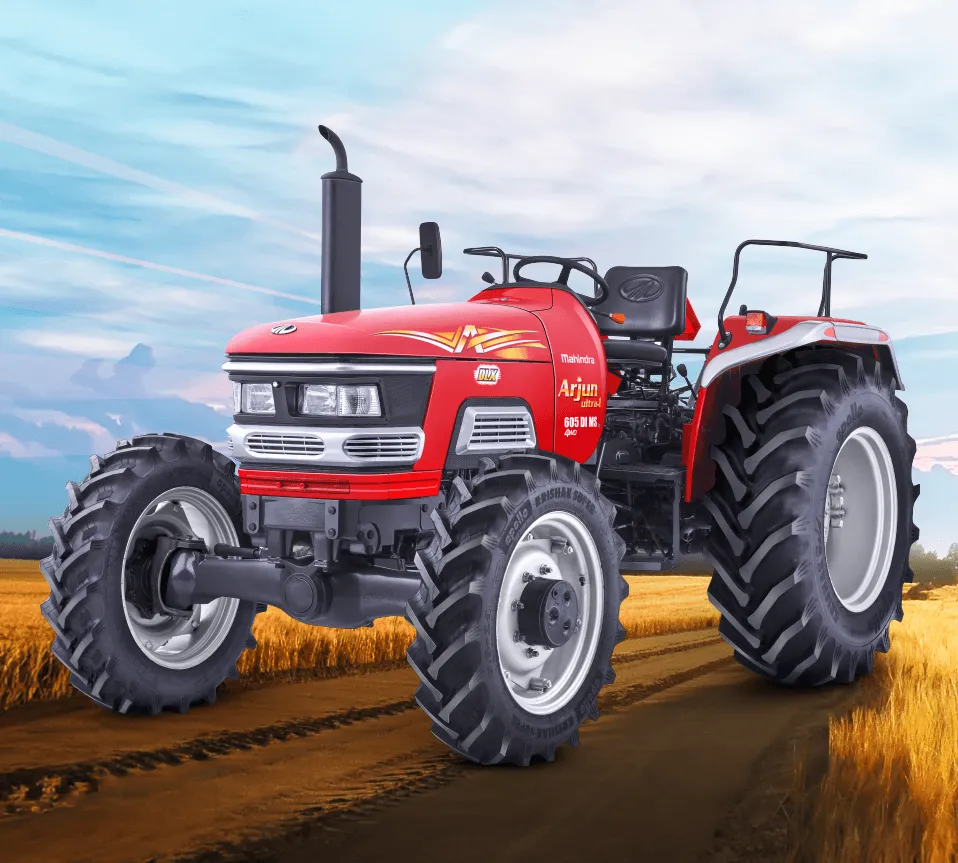
Mahindra ARJUN 605 DI MS V1 Tractor
The Mahindra ARJUN 605 DI MS V1 Tractor is designed for heavy-duty farming requirements. Read More
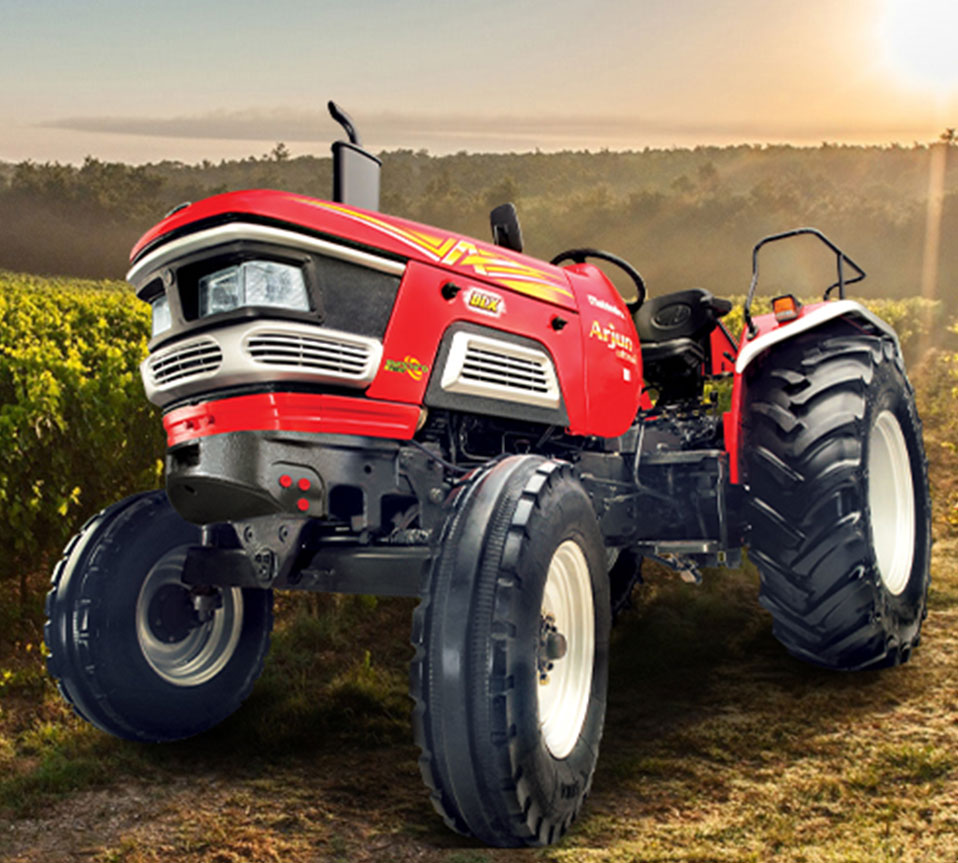
Mahindra ARJUN 555 DI Tractor
The Mahindra ARJUN 555 DI Tractor focuses on productivity with fuel-efficient performance and strong hydraulics. Read More
Mahindra ARJUN 605 DI MS Tractor
The Mahindra ARJUN 605 DI MS Tractor delivers higher torque and backup power, supporting intensive farming operations. Read More
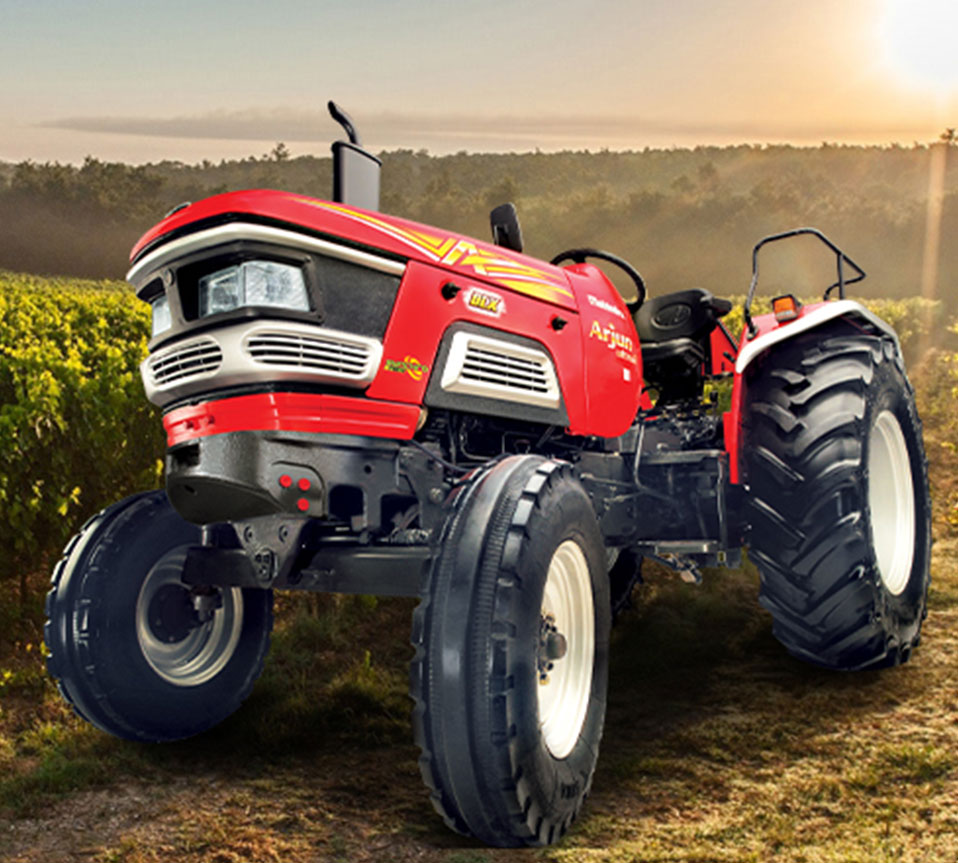
Mahindra ARJUN 605 DI i Tractor
The Mahindra ARJUN 605 DI I Tractor features advanced engine technology Read More
Mahindra ARJUN 605 DI PP Tractor
The Mahindra ARJUN 605 DI PP Tractor is built for power-intensive applications with strong PTO output and stable hydraulics Read More
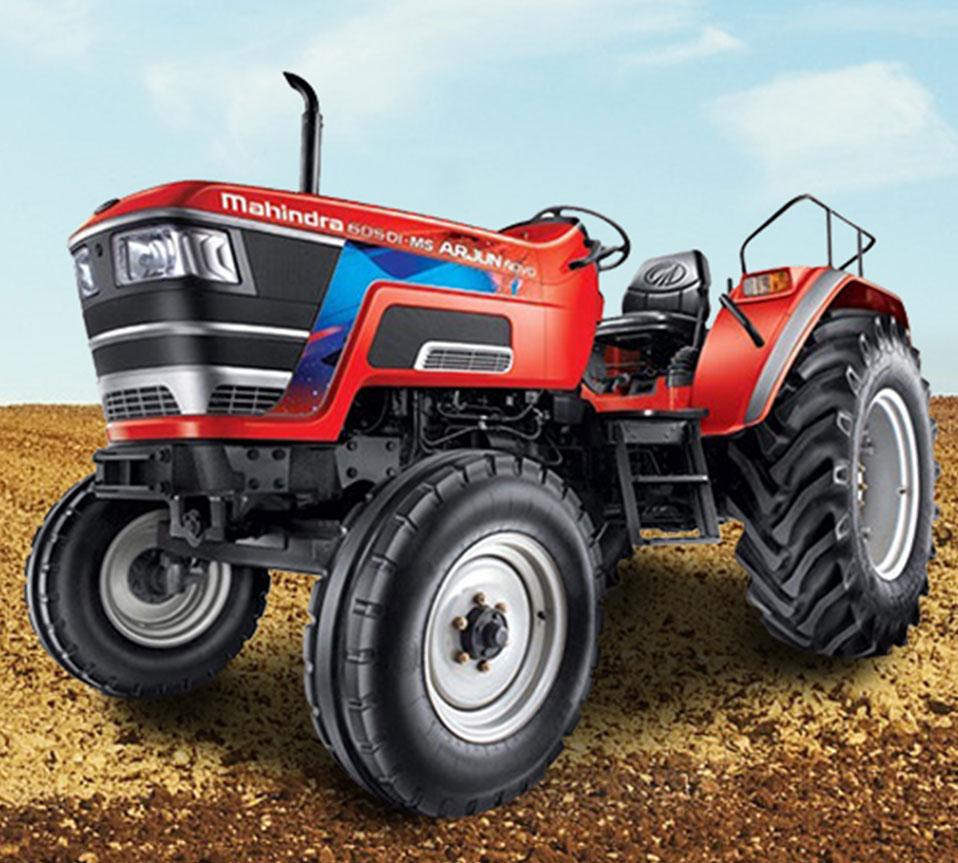
Mahindra NOVO 605 DI PS V1 Tractor
The Mahindra NOVO 605 DI PS V1 Tractor combines consistent power delivery with advanced transmission features. Read More
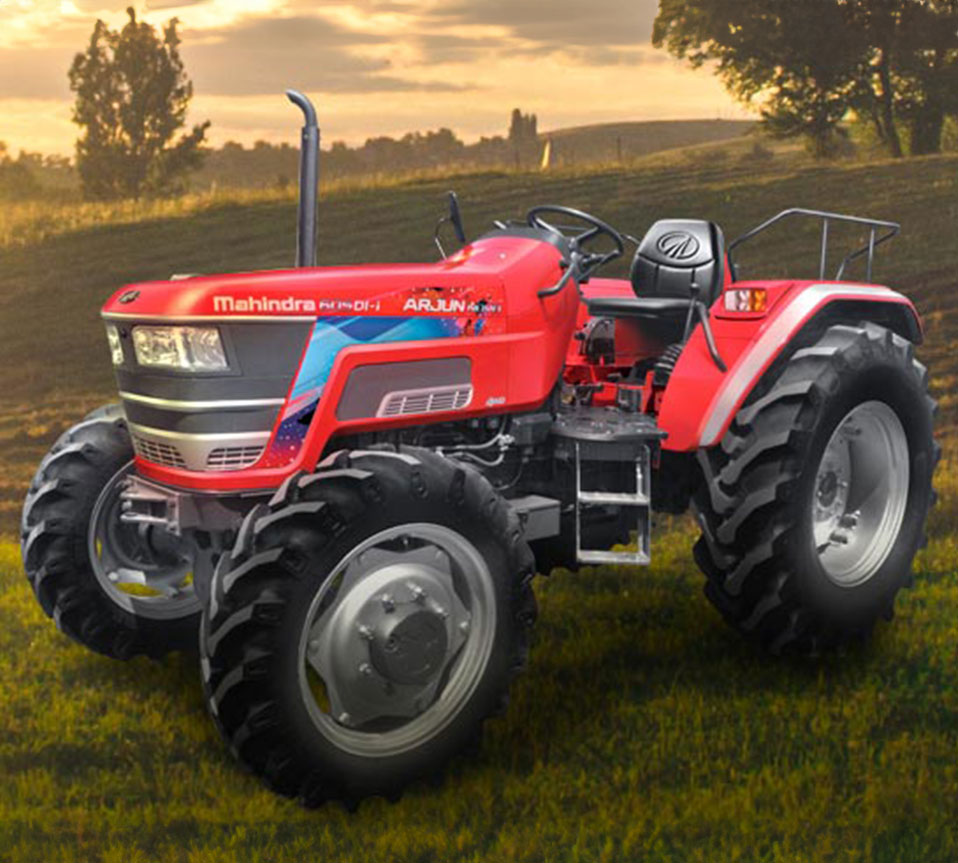
Mahindra NOVO 605 DI 4WD V1 Tractor
The Mahindra NOVO 605 DI 4WD V1 Tractor is suited for challenging field conditions requiring extra traction Read More
Mahindra NOVO 605 DI V1 Tractor
The Mahindra NOVO 605 DI V1 Tractor combines dependable engine Read More
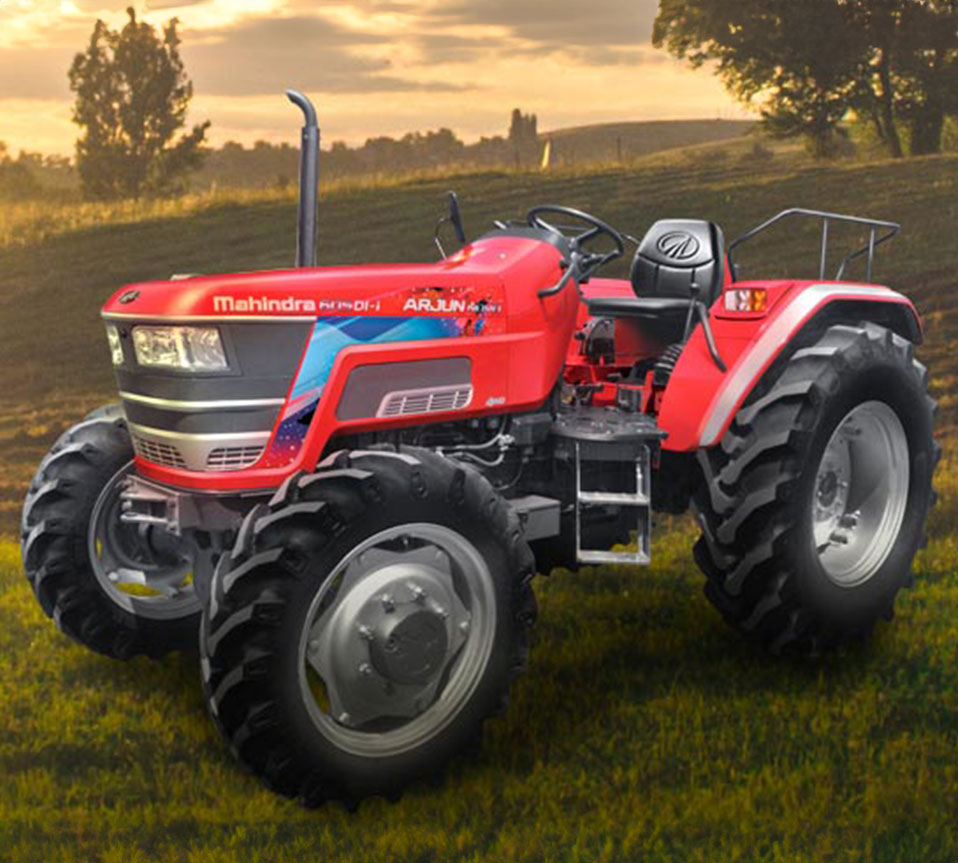
Mahindra NOVO 605 DI PP V1 Tractor
The Mahindra NOVO 605 DI PP V1 Tractor is engineered for precision-driven, power-intensive agricultural work Read More
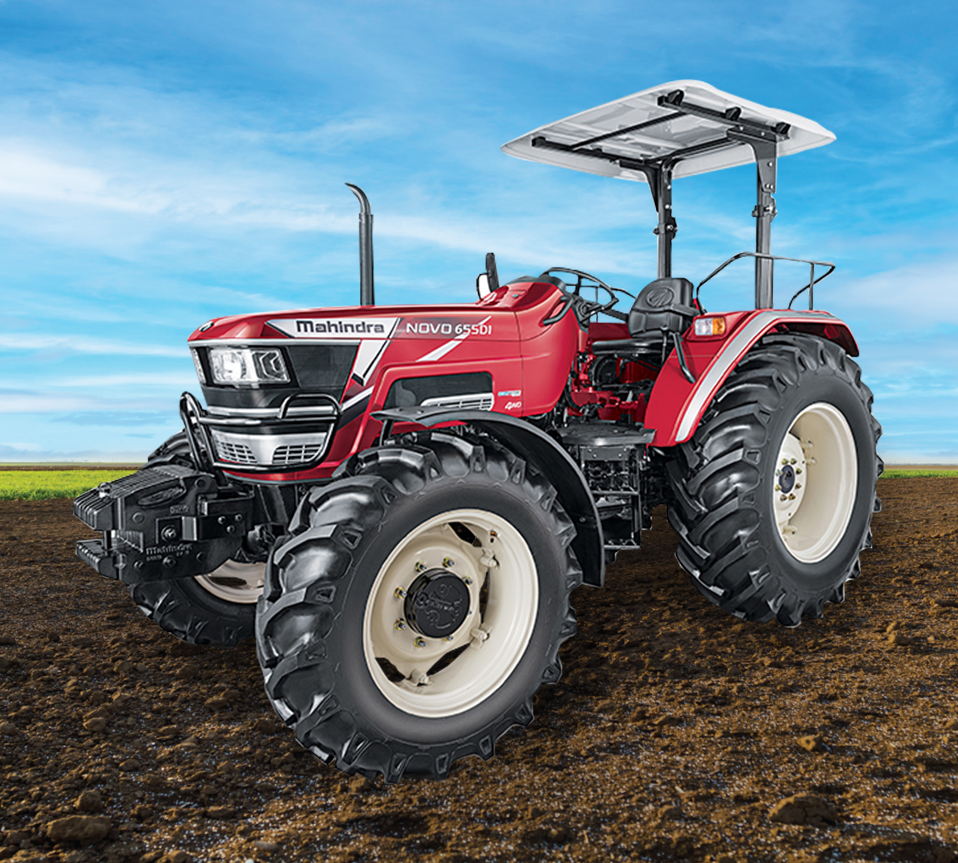
Mahindra NOVO 655 DI PP V1 Tractor
The Mahindra NOVO 655 DI PP V1 Tractor is designed to meet the needs of farmers handling large-scale sugarcane operations Read More
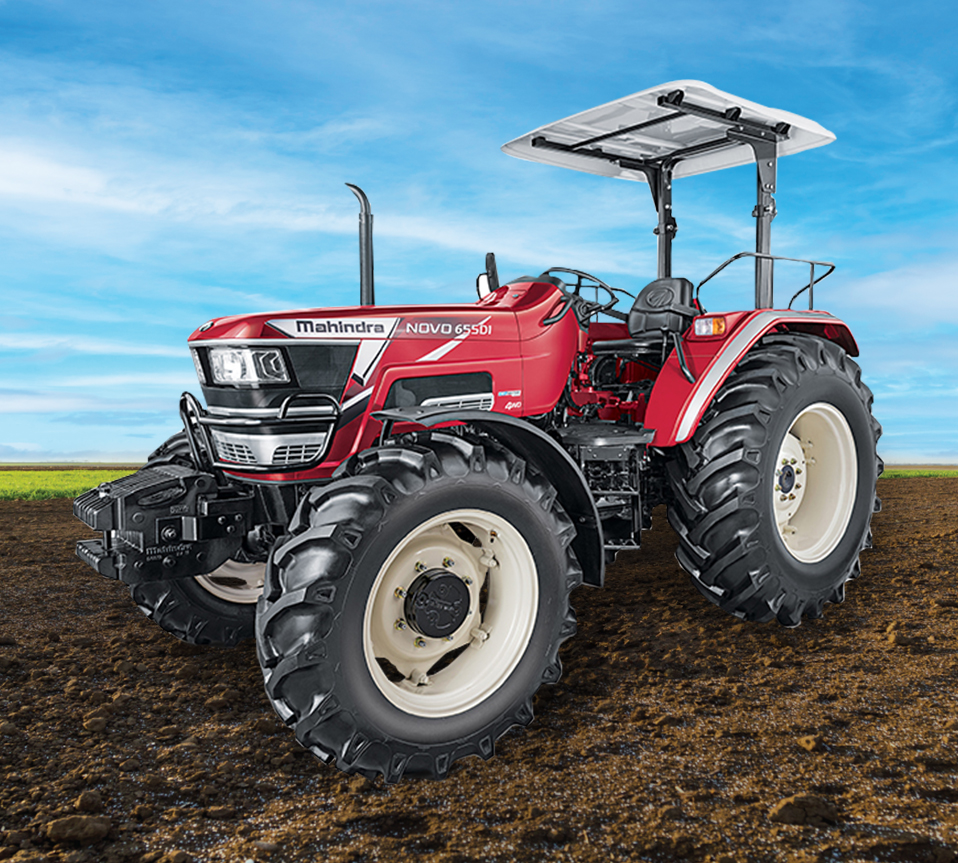
Mahindra NOVO 655 DI PP 4WD V1 Tractor
The Mahindra NOVO 655 DI PP 4WD V1 Tractor is built for challenging farming environments where traction and control are critical Read More
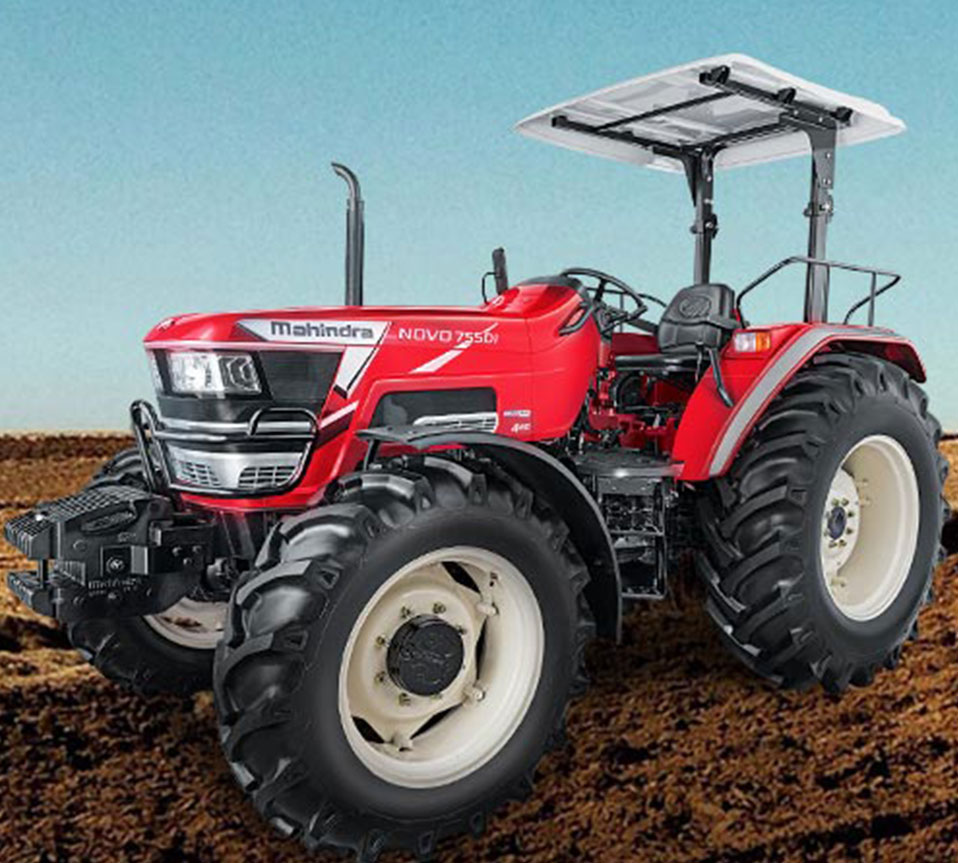
Mahindra NOVO 755 DI PP 4WD V1 Tractor
The Mahindra NOVO 755 DI PP 4WD V1 Tractor is designed for high-performance agricultural tasks requiring strength and precision Read More
The Mahindra OJA 2121 Tractor is designed for precision farming and intercultural operations in crops like sugarcane. Its narrow body allows easy movement between rows, while the balanced PTO power and torque support tasks such as spraying and light cultivation. Built with modern technology, this tractor focuses on efficiency, fuel economy, and ease of handling, making it suitable for farmers managing closely spaced crops.
The Mahindra OJA 2124 Tractor offers a good balance of power and efficiency for varied farm activities. Its engine performance supports multiple implements including rotavators, cultivators, and sprayers, which are commonly used in sugarcane fields. Known for dependable mileage, this tractor suits farmers looking for versatility in intercultural and general farming operations without compromising on ease of use or performance.
The Mahindra OJA 2130 Tractor is built with a favourable power-to-weight ratio, helping reduce soil compaction during fieldwork. The tractor performs reliably across intercultural, orchard, vineyard, and puddling operations. With economical fuel consumption and operator comfort, this tractor from Mahindra is suited for long working hours. Its versatility and stable design make it useful for sugarcane farmers handling multiple field activities.
The Mahindra 305 Orchard Tractor is engineered for narrow-field farming where space management is critical. Its compact width allows smooth movement between crop rows, while the hydraulic lifting capacity supports routine implements. The tractor’s engine and hydraulics are tuned for consistent performance, making it suitable for orchard-style layouts and intercultural work in crops like sugarcane that require controlled manoeuvrability.
The Mahindra ARJUN 605 DI MS V1 Tractor is designed for heavy-duty farming requirements. Its strong engine output supports operations such as ploughing, haulage, and harvesting support tasks in sugarcane cultivation. The robust structure of the tractor ensures durability over extended usage, while the power steering improves control during field operations. This tractor suits farmers managing large landholdings and demanding workloads.
The Mahindra ARJUN 555 DI Tractor focuses on productivity with fuel-efficient performance and strong hydraulics. Its lifting capacity allows the use of heavier implements required for sugarcane farming. Multiple PTO speed options help manage different agricultural and non-agricultural applications. Designed for reliability, this tractor supports continuous field operations. It is also known to maintain efficiency across various farming conditions.
The Mahindra ARJUN 605 DI MS Tractor delivers higher torque and backup power, supporting intensive farming operations. With strong hydraulics and multiple PTO speed options, the tractor can handle a wide range of sugarcane-related tasks. Power steering enhances handling in tough field conditions. This tractor is suitable for farmers seeking consistent performance and long-term durability in regular agricultural use.
The Mahindra ARJUN 605 DI I Tractor features advanced engine technology aimed at higher output and operational efficiency when it comes to sugarcane farming. Its PTO power supports demanding implements, while the responsive hydraulics improve field precision. With a longer service interval and reduced fuel consumption, this tractor from Mahindra is well-suited for farmers who require sustained performance in sugarcane cultivation with minimal downtime.
The Mahindra ARJUN 605 DI PP Tractor is built for power-intensive applications with strong PTO output and stable hydraulics. Its transmission and clutch system allow smooth operation during extended fieldwork. Designed to handle a wide range of farming tasks, this tractor supports precision and efficiency, making it a practical choice for sugarcane farmers managing heavy implements and continuous operations.
The Mahindra NOVO 605 DI PS V1 Tractor combines consistent power delivery with advanced transmission features. Its multiple speed options and smooth gear shifts support efficient field coverage. The fast-response hydraulic system improves implement control, making the tractor suitable for sugarcane farming activities such as tillage and haulage. This tractor is designed to enhance productivity without sacrificing operational comfort.
The Mahindra NOVO 605 DI 4WD V1 Tractor is suited for challenging field conditions requiring extra traction. This tractor from Mahindra has a four-wheel-drive setup that improves grip in wet or uneven sugarcane fields. Strong hydraulics and advanced transmission features support heavy implements, while fuel efficiency and long service intervals help reduce operating costs when it comes to intensive agricultural operations.
The Mahindra NOVO 605 DI V1 Tractor combines dependable engine output with refined hydraulic control to handle demanding farm operations efficiently. Its well-balanced structure ensures stability during fieldwork, while the smooth transmission reduces operator fatigue over long hours. Designed for sugarcane cultivation, this tractor supports consistent productivity, allowing farmers to manage tillage, hauling, and implement operations with confidence and steady performance across varying field conditions.
The Mahindra NOVO 605 DI PP V1 Tractor is engineered for precision-driven, power-intensive agricultural work. Its strong PTO performance and robust hydraulics allow seamless operation of multiple sugarcane implements. The advanced transmission system delivers smooth gear shifts, supporting uninterrupted fieldwork. Combined with fuel-efficient performance and a comfortable operator area, this tractor is well-suited for extended working hours and consistent output in sugarcane farming.
The Mahindra NOVO 655 DI PP V1 Tractor is designed to meet the needs of farmers handling large-scale sugarcane operations. Its higher power output, paired with an advanced clutch and transmission system, enables smooth manoeuvring and efficient directional changes. Strong hydraulic capacity supports heavier implements, while fuel efficiency ensures cost-effective operation during long working hours and intensive agricultural cycles.
The Mahindra NOVO 655 DI PP 4WD V1 Tractor is built for challenging farming environments where traction and control are critical. Its four-wheel-drive system enhances grip and stability on uneven or moist fields. Equipped with powerful hydraulics and a refined transmission, this tractor supports demanding sugarcane operations, making it suitable for farmers working on varied terrain with heavy implements.
The Mahindra NOVO 755 DI PP 4WD V1 Tractor is designed for high-performance agricultural tasks requiring strength and precision. Its powerful engine and high hydraulic lifting capacity support heavy-duty sugarcane operations with ease. Advanced digital features, safety enhancements, and comfortable seating improve operator efficiency, while precise gear options help manage long workdays on large farms effectively and reliably.
Implements & Attachments for Sugarcane Farming
Essential implements improve cultivation efficiency, planting precision, and transportation in sugarcane farming.
The right tools turn a tractor into a full sugarcane farming solution. Aim to cut passes, protect soil structure, and finish each job cleanly the first time. Calibrate once, check often, and keep blades sharp.
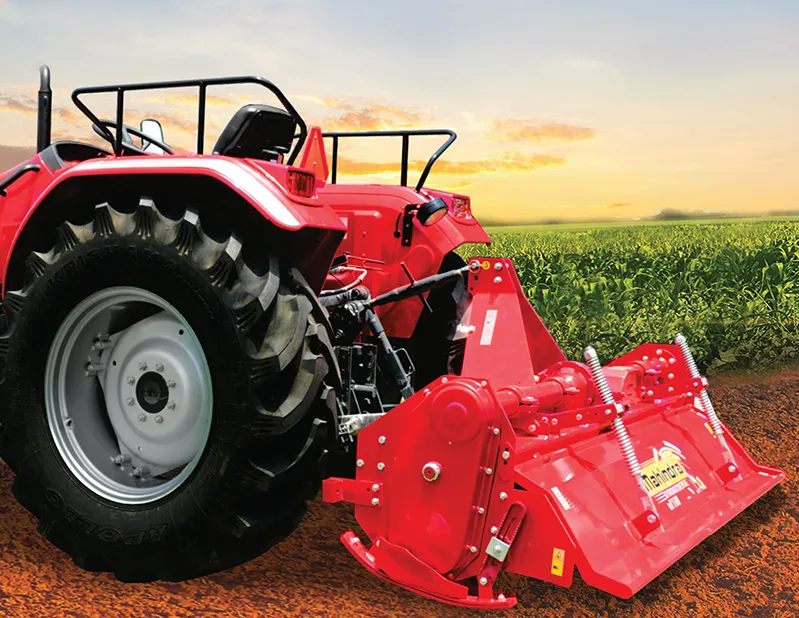
Mahindra Gyrovator ZLX+
The Mahindra Gyrovator ZLX+ is used mainly for seedbed finishing after primary tillage Read More
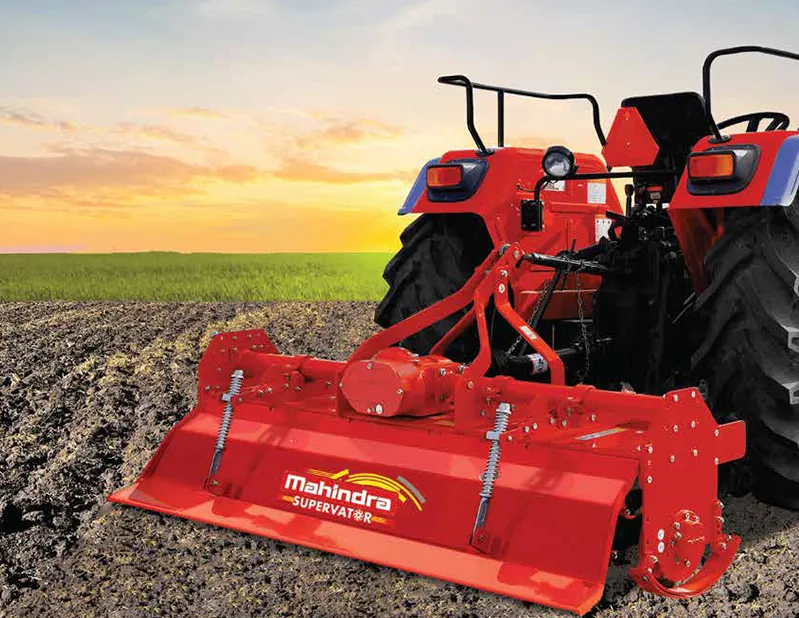
Mahindra Supervator
The Mahindra Supervator is suited for heavier soils, mixing crop residues into the soil Read More
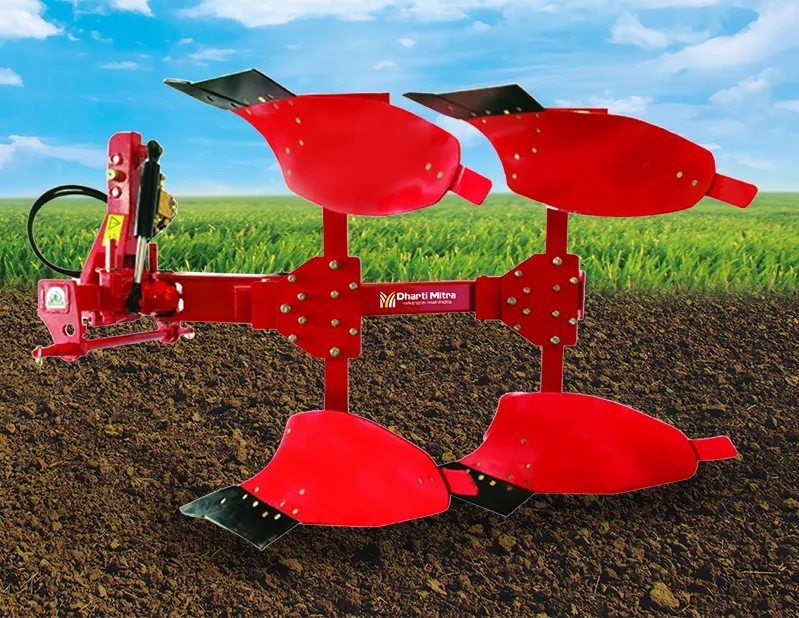
Dharti Mitra MB Plough
The Dharti Mitra MB Plough is suited for primary tillage where soil needs to be turned, Read More
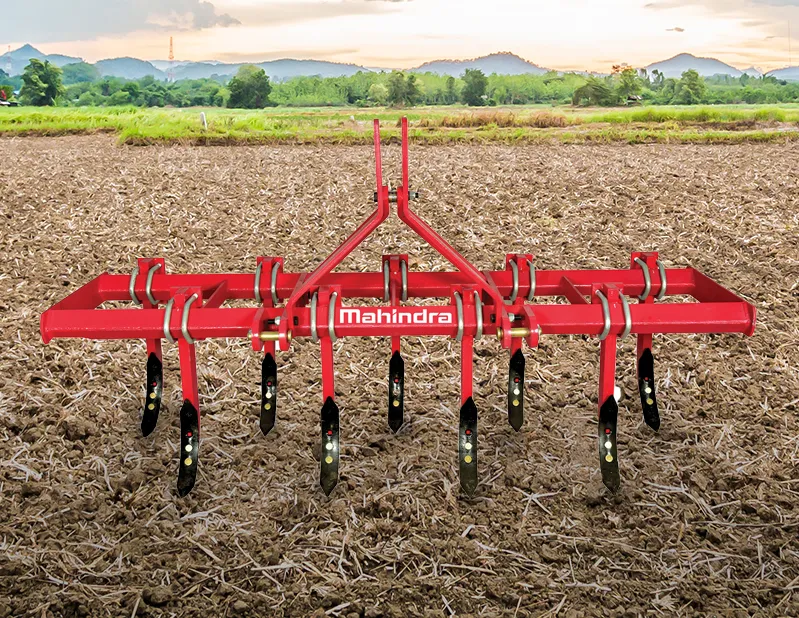
Mahindra Spring Loaded Cultivator
The Mahindra Spring Loaded Cultivator is designed for secondary tillage, mid-season aeration, and loosening soil before earthing-up. Read More
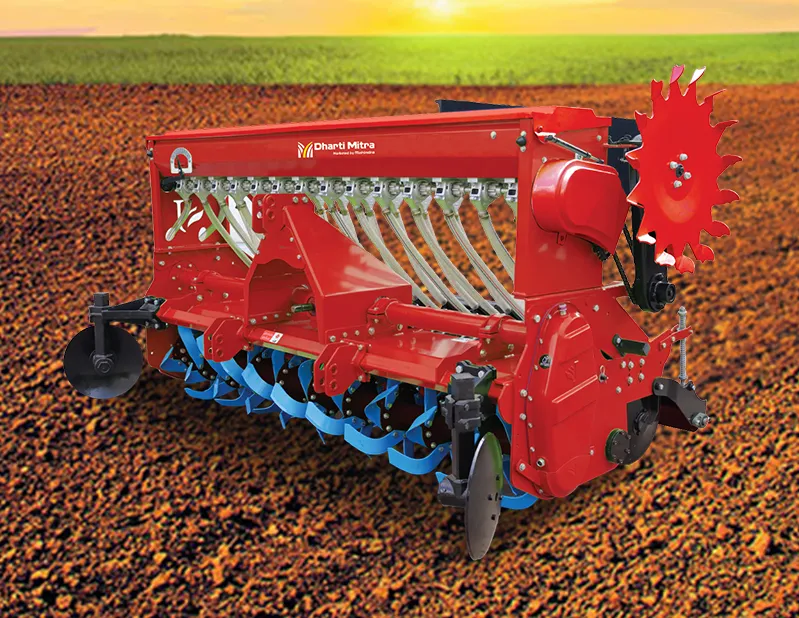
Dharti Mitra Super Seeder
The Dharti Mitra Super Seeder is used for one-pass sowing of cover crops, green manure crops, or rotation crops between sugarcane cycles, Read More
The Mahindra Gyrovator ZLX+ is used mainly for seedbed finishing after primary tillage, knocking back early weeds before planting, and levelling light crusts that may form after a shower of rain. It creates a fine, even tilth so plants can establish together with uniform spacing and sprouting.
The adjustable depth setting allows the operator to match soil type and season, maintaining consistency without overworking the soil. It pairs well with the 265 DI YUVO TECH+ or ARJUN 605 DI MS V1 for light to medium working widths, and with the JIVO 225 for narrow widths in loose soils. Avoid heavy pulverising; two lighter passes are better. Sharp blades save fuel and preserve soil structure.
The Mahindra Supervator is suited for heavier soils, mixing crop residues into the soil, and preparing a firm seedbed before trench formation and seed or fertiliser placement. It manages sticky or cloddy patches with steady depth control so fewer lumps remain and furrows form cleanly. Pairing with tractors like the ARJUN 605 DI I or NOVO 605 DI V1 helps achieve wider and deeper working widths with stable pulling performance.
In peak seasons, it is important to check slip clutches and blade wear to maintain efficient operation. Adjust ground speed and working depth so soil finishes crumbly rather than overly powdered, supporting better moisture retention and healthier seedling emergence.
The Dharti Mitra MB Plough is suited for primary tillage where soil needs to be turned, old crop residue buried, and the previous surface broken up before fresh field establishment. Inverting the soil layer improves aeration and resets fields where weeds have built up or where a green-manure crop will be planted afterwards.
When paired with tractors such as the ARJUN 605 DI I or NOVO 605 DI V1, it provides a steady pull and clean soil inversion. For best results, plough when the soil is firm and moist to avoid clod formation. Allow the field to rest briefly after ploughing so the soil settles naturally before the next pass or seedbed preparation operation.
The Mahindra Spring Loaded Cultivator is designed for secondary tillage, mid-season aeration, and loosening soil before earthing-up. The spring tines flex through clods and help level the soil surface, providing a suitable base for ridgers and fertiliser placement tools. It pairs effectively with the 265 DI YUVO TECH+ or ARJUN 605 DI MS V1 for most field conditions, while wider frame cultivators work efficiently with the ARJUN 605 DI I. Two fast, shallow passes generally provide better soil structure and fuel efficiency than one deeper, slower run. Keeping all tines aligned ensures straight tracking and clean pulling performance, which leads to more uniform crop rows and easier follow-up operations.
The Dharti Mitra Super Seeder is used for one-pass sowing of cover crops, green manure crops, or rotation crops between sugarcane cycles, placing seed and fertiliser together while firming rows with press wheels. It helps achieve quick turnaround after harvest on non-cane fields and avoids residue jams by managing leftovers as it works. It pairs well with tractors such as the ARJUN 605 DI I or NOVO 605 DI V1, while smaller working widths can be used with the 265 DI YUVO TECH+ in lighter soils. Before full-field sowing, run a short test strip to correctly set seed and fertiliser rates. Keep residue spread evenly across the field to maintain smooth feeding and prevent blockages.
Common Challenges in Sugarcane Farming & Practical Solutions
Water scarcity, pests, and declining soil fertility can be tackled with drip irrigation, bio-control methods, and crop rotation practices.
1. Irregular rains and dry spells
Long gaps between showers slow sprouting, hurt tillering, and shrink stalks. Fields suffer most in sandy patches and on high spots. Level the field so rain spreads evenly and highs don’t dry out first. Start irrigation early at germination, then at tillering and grand growth. Use trash mulch between rows to hold moisture and cool the soil.
2. Waterlogging after heavy rain
Standing water starves roots of air, invites disease, and can topple tall cane. Cut shallow surface drains before storms and keep outlets clear. Lay out ridge–furrow or trench systems so stools sit higher than water. After rain, open blocked furrows and break crusts for quick breathing. Avoid back‑to‑back irrigations; wait for the root zone to settle.
3. Poor germination and field gaps
Old seed cane, wrong depth, or dry seedbeds cause thin stands and weak stools. Use fresh, disease‑free seed cane and treat setts before planting. Place two‑ or three‑budded setts at a steady depth and press lightly. Keep seed cane shaded; never let it dry in the sun before planting. Fill gaps within 10–12 days to keep the plant population even.
4. Weed pressure in the first 60 days
Weeds steal light, water, and nutrients when the cane is most tender. Start clean; consider a stale seedbed and an early clean‑up pass. Keep rows straight so inter‑row runs are easy. Weed early and light, then repeat once. Use trash mulch between rows to shade the soil and slow weeds.
5. Early pests: termites, shoot borer, white grubs
These hit setts and young shoots, cutting early vigour. Treat setts as per local guidance and plant in moist, fine beds. Press soil gently so that the setts contact moisture; avoid air gaps. Scout weekly; spot‑treat early rather than spraying the whole field. Keep bunds and trash piles tidy to reduce pest shelters.
6. Stalk borers and diseases (red rot, smut)
Mid‑season borers hollow stalks; diseases spread through seed cane and stubble. Use clean nursery blocks or certified seed; rotate or renew nurseries. Treat setts and avoid moving suspect seed from field to field. Scout mid‑stalk; remove and destroy infected stools promptly. Rotate chemistries and act on thresholds, not on calendar dates.
7. Nutrient imbalance and lodging
Too much nitrogen makes soft, tall growth; too little potassium weakens stalks. Follow a soil test; split nitrogen and time it to growth stages. Place phosphorus early for roots; ensure potassium for strength and juice. Ease off nitrogen as ripening nears to help sugar set. Keep spacing comfortable so stems thicken and stand firm.
Post-Harvest & Storage Best Practices
Harvest at full maturity, transport quickly to mills, and store briefly under shaded, ventilated areas to prevent cane deterioration.
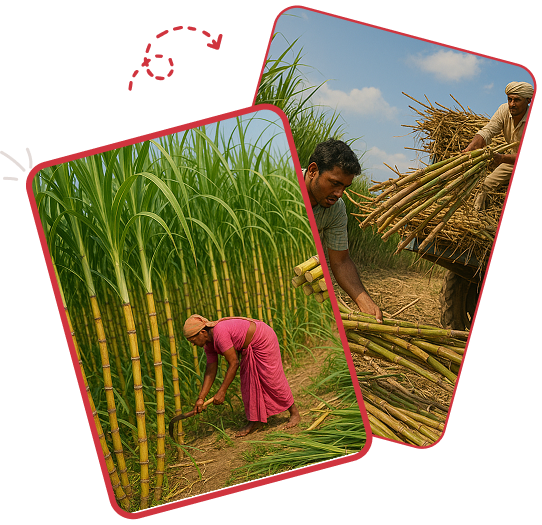
- Harvest timing and maturity –Harvesting sugarcane at the right maturity ensures the highest sugar content and minimal weight loss. Use maturity testing or mill guidance to determine readiness. Harvest only when the field is dry, avoiding dew, drizzle, or muddy conditions that dilute juice and increase trash content.
- Clean cutting and de-topping –Precise, clean cutting improves sugar recovery and reduces waste. Always cut at ground level to capture the maximum sucrose stored near the base and avoid leaving high stubble that depletes ratoon vigour.
- Green harvesting, not burning – Green harvesting preserves soil fertility and promotes sustainable farming. Avoid burning the crop, as it damages soil microorganisms, dries canes, and removes valuable organic cover. Clean, green cane enhances juice purity and reduces environmental impact.
- Field handling and short-term stacking – Proper field handling protects sugar quality and minimises microbial deterioration. After cutting, stack cane under shade, on bamboo rails or pallets, never directly on soil to prevent moisture loss and contamination.
Post-Harvest & Storage Best Practices
1. Harvest timing and maturity
Harvesting sugarcane at the right maturity ensures the highest sugar content and minimal weight loss. Use maturity testing or mill guidance to determine readiness. Harvest only when the field is dry, avoiding dew, drizzle, or muddy conditions that dilute juice and increase trash content.
2. Clean cutting and de-topping
Precise, clean cutting improves sugar recovery and reduces waste. Always cut at ground level to capture the maximum sucrose stored near the base and avoid leaving high stubble that depletes ratoon vigour.
3. Green harvesting, not burning
Green harvesting preserves soil fertility and promotes sustainable farming. Avoid burning the crop, as it damages soil microorganisms, dries canes, and removes valuable organic cover. Clean, green cane enhances juice purity and reduces environmental impact.
4. Field handling and short-term stacking
Proper field handling protects sugar quality and minimises microbial deterioration. After cutting, stack cane under shade, on bamboo rails or pallets, never directly on soil to prevent moisture loss and contamination.
5. Loading and transport
During loading and transport, cleanliness and care preserve cane quality. Always clean the trailer bed to remove mud, stones, and old stalks that could damage new loads. Secure bundles tightly to prevent rubbing and bruising during travel.
6. Yard stacking and queue management
At the mill yard, efficient stacking reduces deterioration and waiting losses. Always unload cane onto pallets, rails, or raised concrete pads, never on wet ground. Cross-stack stalks to promote airflow and avoid excessive height that compresses the lower layers.
7. Moisture, heat, and cleanliness
Maintaining the right environmental conditions after harvest is vital. Keep the storage area shaded, cool, and well-ventilated to slow down sugar loss. Metal sheds should have openings for air circulation to prevent heat buildup.
8. Quality protection and documentation
Consistent recordkeeping enhances payment accuracy and mill coordination. Maintain a simple log of harvest dates, field IDs, weather, and any problems observed during cutting. Share estimated tonnage and expected delivery schedules with the mill a day in advance to avoid bottlenecks.
9. Rain plan during harvest
A practical rain plan protects the cane from losses during unpredictable weather. Keep tarpaulins, ropes, and plastic sheets ready to cover cut cane immediately during rainfall. Shift cutting schedules to drier parts of the day when clouds appear.
10. Using by-products wisely
Efficient use of by-products adds both environmental and financial value. Save clean sugarcane tops for cattle fodder by stacking them on dry ground. Collect trash and stalk residues for mulching, which conserves soil moisture and reduces weed growth.
11. Safety from field to mill
Safety must be a top priority during harvest and transport. Equip workers with gloves, boots, and protective eyewear. Use clear hand signals between cutters and loaders to prevent accidents.
12. Maintenance between lots
Routine maintenance keeps machines efficient and minimises downtime. At the end of each workday, remove mud from tools and machinery, tighten loose bolts, and lubricate linkages. Check tyres, brakes, and hydraulic systems before loading heavy cane.
13. Simple records that pay back
Accurate records are valuable tools for improving next season’s efficiency. Note key details like harvest dates, weather, queue times, and any grading deductions. Identify which blocks produced the cleanest cane or faced delays and learn from them.
14. Cut-to-crush window discipline
Minimise the time between cutting and crushing. Plan crews, transport, and mill slots so cane moves the same day where possible; every extra hour in the field or yard chips away at recoverable sugar.
15. Shade and airflow over sun exposure
Prioritise cool shade with moving air instead of direct sun. Sun-baking dries the rind unevenly, raises the temperature inside bundles, and speeds sucrose loss.
16. Keep tops and trash separate at source
Segregate green tops, dried leaves, and any extraneous matter at cutting time. Clean billets or stalks loaded from the field save grading penalties and reduce stoppages at the mill.
17. Uniform bundle length and orientation
Tie bundles to a consistent length and align butts one way. This stacks tighter, loads faster, and improves ventilation, reducing bruising and hidden heat pockets.
18. Avoid over-wet cleaning
If washing trailers or pads, finish early and allow full drying before loading. Residual moisture on floors and rails wicks into the cane and raises deterioration risk.
19. Night transport when days run hot
In peak heat, schedule hauling in the evening or early morning. Cooler runs reduce respiration and sweating in the load, preserving purity on arrival.
20. Simple quarantine for suspect lots
If a field is cut damp or shows signs of decay, hold it separate and move it first. Fast-tracking problems prevents cross-contamination and bigger quality losses.
21. Clear line of command on the pad
Assign one person to direct unloading, stack height, and traffic flow. Fewer mixed instructions means quicker turnarounds and less time with the cane sitting exposed.
22. End-of-day housekeeping
Sweep loading zones, clear leaf piles, and check covers and pallets before closing. A tidy pad overnight deters pests, sheds unexpected drizzle, and sets up a cleaner start at first light.
State-wise Sugarcane Farming in India
Sugarcane grows across a wide belt of India, from the Gangetic plains to the peninsular black soils.
Each state has its rhythm - water, mills, labour, and local weather shape the season. Below is a state‑wise view using the provided figures and key districts.

Uttar Pradesh:
(2252.2 lakh tons; Kanpur, Lucknow, Prayagraj, Varanasi)
UP leads the country. Most cane is irrigated, so even fields do well when water turns are steady.
UP leads the country. Most cane is irrigated, so even fields do well when water turns are steady. Timely planting, clean ratoon care, and quick movement to nearby mills help protect sugar recovery and keep payments predictable.

Maharashtra
(1239.7 lakh tons; Satara, Pune, Ahmednagar)
Canal and well irrigation support high yields, but careful water scheduling…
Canal and well irrigation support high yields, but careful water scheduling is vital in dry spells. Laser levelling, trash mulching, and planned harvest blocks keep fields tidy. Ethanol demand has also opened steadier offtake for cane and juice.

Karnataka:
(624.6 lakh tons; Hassan, Tumkur, Chikmagalur)
Mixed soils and reliable mill networks make for smooth seasons when planting is on time…
Mixed soils and reliable mill networks make for smooth seasons when planting is on time. Ridge–furrow layout, early earthing‑up, and steady splits of nutrients help stalk strength and reduce lodging during late rains..

Tamil Nadu :
(169.2 lakh tons; Dindigul, Nilgiris, Erode).
A long growing window suits multiple planting seasons. Drip…
A long growing window suits multiple planting seasons. Drip irrigation and fertigation are common in many pockets, which saves water and supports uniform maturity. Clean green harvesting and quick transport raise recovery.

Gujarat :
(146.9 lakh tons; Navsari, Surat, Vadodara).
Coastal humidity and well‑run mills help steady operations…
Coastal humidity and well‑run mills help steady operations. Raised beds in heavy or saline patches, trash mulching, and careful drainage bring uniform stands. Early maturity checks keep the harvest sequence calm and efficient.

Bihar:
(120.6 lakh tons; Muzaffarpur, Patna, Bhagalpur)
Monsoon timing sets the pace. Level fields, clear drains, and prompt…
Monsoon timing sets the pace. Level fields, clear drains, and prompt gap‑filling protect plant counts. Where water is limited, alternate‑furrow turns and light mulching hold moisture and reduce stress in hot spells.

Haryana:
(88.6 lakh tons; Faridabad, Rohtak, Karnal)
Canal systems and short hauls to mills support good recovery…
Canal systems and short hauls to mills support good recovery. Ratoon thrives when stubble is shaved early, gaps are filled fast, and the first irrigation follows harvest without delay. Neat detopping pays at the weighbridge.

Punjab :
(76.4 lakh tons; Jalandhar, Ludhiana)
A tight schedule and strong mechanisation help fields stay uniform…
A tight schedule and strong mechanisation help fields stay uniform. Clean, green harvest with quick yard movement keeps quality high. Simple records make next season’s plan faster and cheaper.

Uttarakhand:
(37.6 lakh tons; Haridwar).
Foothill weather brings cool nights later in the season, which can help…
Foothill weather brings cool nights later in the season, which can help with ripening. Keep drains open before rain, and avoid heavy irrigations close to cutting. Smaller, well‑timed blocks reduce yard delays.

Andhra Pradesh:
(31.2 lakh tons; Chittoor, Kadapa, Kurnool)
Mixed rainfall means planning matters. Trench planting in heavier soils…
Mixed rainfall means planning matters. Trench planting in heavier soils, clear drains, and light, frequent irrigations build sturdy stools. Align harvest with transport early to avoid staling in warm afternoons.
Sugarcane Farming Schemes & Subsidies
Sugarcane growers can tap into a mix of central and state support that lowers costs, improves water use, and keeps cane prices more predictable for the season ahead.
Here are the key sugarcane farming schemes and subsidies you can use in India. Contact your sugar mill’s cane office or the Cooperative Sugarcane Development Committee. Keep land records, membership proof, nursery layout, and purchase bills for chemicals.

High-Quality Sugarcane Seed Production Scheme:

Seed/Soil Treatment:

Paddy Management Program (crop protection for standing sugarcane):
Testimonials
Growers share success stories of how improved methods and better irrigation turned sugarcane into a profitable and sustainable venture.
Sugarcane Farming FAQs Every Farmer Asks (FAQs)
When should sugarcane be planted? +
Sugarcane should be planted when the soil is warm, moist, and well-prepared, but not sticky or waterlogged. Choose the local planting window that aligns with rainfall, irrigation availability, and mill schedules - usually autumn, spring, or monsoon. Timely planting ensures uniform sprouting, healthy root development, and steady early growth.
What soil is best for sugarcane? +
Deep, fertile, well-drained loam or clay-loam soils are ideal for sugarcane cultivation. Black soils also perform well, provided drainage is adequate. The field should be well-leveled so that high areas don’t dry out too fast and low patches don’t remain waterlogged. Balanced moisture supports strong cane growth.
Which planting material should be used? +
Always use fresh, disease-free seed cane with healthy, well-developed buds. Two- or three-budded setts are most effective and should be treated before planting to prevent infections. Keep them shaded until planting. Alternatively, bud-chip seedlings are an efficient, cost-saving option that ensures healthy establishment and uniform crop stands.
How deep should setts be placed? +
Place sugarcane setts in moist soil at a shallow, uniform depth to ensure proper sprouting. Maintain close contact between the buds and the soil by pressing lightly. Consistent depth and spacing across the field help achieve even germination, better aeration, and stronger early cane establishment for optimal yield.
How do I improve germination? +
To boost germination, use clean, treated seed and plant in a fine, moist seedbed at uniform depth. Avoid letting them dry under direct sunlight. Fill any gaps within 10–12 days of planting to maintain even spacing and ensure the crop canopy develops uniformly for stronger overall growth.
What are the critical irrigation stages? +
The critical irrigation stages in sugarcane are germination, tillering, growth, and early ripening. Maintain consistent moisture without waterlogging. Drain fields quickly after rain. Instead of long flooding, provide short, regular irrigation turns to keep roots healthy and ensure continuous nutrient absorption during key growth phases.
How should fertilisers be applied? +
Always base fertiliser application on a soil test. Apply phosphorus early at planting, split nitrogen doses through the season, and add potassium for stronger stalks and higher juice quality. Avoid heavy nitrogen near ripening to promote proper cane maturity. Balanced nutrition ensures better yield and sugar recovery.
How can I control weeds early? +
Begin with a clean seedbed and straight rows to simplify early weeding. Remove weeds lightly at their first appearance and repeat once more. Applying trash mulch between rows suppresses weed growth by shading the soil, conserving moisture, and creating an environment unfavourable for weed germination and growth.
What are common early pests, and how to handle them? +
Termites, shoot borers, and white grubs often attack young sugarcane. Use treated setts, plant in moist beds, and inspect fields weekly. Spot-treat affected areas immediately rather than spraying the whole crop. Early detection and localised control prevent major infestations and protect young canes from irreversible damage.
How to manage stalk borers and diseases later? +
Use disease-free planting material and rotate or renew nurseries regularly. Treat sets before planting and monitor the crop mid-stalk for signs of borers or rot. Remove infected stools promptly and rotate chemical treatments. Base interventions on pest thresholds, not fixed schedules, to minimise costs and resistance.
How do I prevent lodging? +
To prevent lodging, maintain proper spacing, split nitrogen applications, and ensure adequate potassium supply for sturdy stalks. Ridge and earth up the crop on time to strengthen root anchorage. After heavy rains, drain fields quickly to avoid root rot and ensure the crop stands upright until harvest.
What’s the right way to manage ratoon? +
Harvest the main crop at the right maturity, then shave stubble soon after. Provide an early irrigation to encourage regrowth and fill gaps quickly. Reform ridges, apply the first fertiliser split early, and drop diseased patches. Timely management keeps ratoon growth uniform and boosts overall productivity.
Is trash mulching useful? +
Yes, clean, disease-free trash mulch is highly beneficial. It conserves soil moisture, moderates temperature, and suppresses weeds. Spread it evenly between rows, not on stools, to avoid pest buildup. Ensure drains remain open for proper water flow, maintaining ideal field conditions for healthy sugarcane growth.
When is the crop ready to harvest? +
Sugarcane is ready to harvest when stalks become firm, juice brix levels reach the variety’s optimum, and weather conditions are dry. Cut canes at ground level, de-top correctly, and transport promptly to the mill. Timely harvest ensures high sugar content and minimises post-harvest losses.
How can I raise yield without big costs? +
Focus on timely, consistent field practices. Maintain level fields, straight rows, early gap-filling, split nitrogen applications, timely weeding, and quick post-rain drainage. Record observations each season to identify what works best. Simple, disciplined management helps achieve higher yields without increasing cultivation costs.


 Not happy
 Could be better
 It's okay
 Good
Good Excellent