


How to Choose Tractor Insurance: 7 Things Farmers Should Check
Sep 1, 2026 | 5 Mins Read


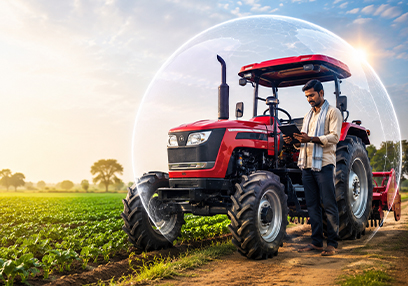
Table of Content
- Why Tractor Insurance Is Important
- Understand the Type of Tractor Insurance
- Check What the Policy Covers
- Review Policy Exclusions Carefully
- Evaluate the Insured Declared Value (IDV)
- Check Available Add-On Covers
- Compare Premiums, Claims, and Service
- 7. Understand the Claim Process
- What Is Farm Equipment Insurance?
- Factors That Influence Tractor Insurance Premium
- Tips for Choosing the Right Tractor Insurance
- Common Mistakes Farmers Should Avoid
- Benefits of Comprehensive Tractor Insurance
- Conclusion
Buying an agricultural tractor is one of the biggest investments a farmer makes. Whether it's used for ploughing, sowing, spraying, harvesting, or transporting produce, a tractor is the backbone of modern farming. While farmers often compare horsepower, fuel efficiency, and maintenance costs before making a purchase, one equally important aspect is tractor insurance.
A suitable insurance policy protects your tractor against financial losses caused by accidents, theft, fire, natural disasters, and third-party liabilities. It also ensures legal compliance and provides peace of mind during daily farming operations. However, not all insurance policies offer the same level of protection.
Before purchasing tractor insurance, here are seven essential factors every farmer should check to choose the right policy.
Why Tractor Insurance Is Important
A tractor works in challenging environments, including rough terrain, highways, muddy fields, and construction sites. It is exposed to various risks such as:
- Road accidents
- Fire
- Theft
- Floods and storms
- Accidental damage
- Third-party liability
- Damage while transporting implements
A well-chosen insurance policy helps reduce the financial burden arising from these unexpected situations. At a minimum, third-party insurance is legally required for registered tractors, while comprehensive insurance provides broader protection.
Understand the Type of Tractor Insurance
The first step is understanding the different types of coverage available.
1. Tractor Third Party Insurance
Tractor third party insurance is the minimum legal requirement. It covers:
- Injury to another person
- Damage to another person's property
- Legal liabilities arising from accidents
However, it does not cover damage to your own tractor.
2. Comprehensive Tractor Insurance
A comprehensive policy includes third-party liability along with protection for your tractor against:
- Accidental damage
- Theft
- Fire
- Floods
- Storms
- Natural calamities
- Certain man-made risks
If your tractor is used regularly for farming, a comprehensive policy generally offers better financial protection.
Check What the Policy Covers
Not every insurance policy provides the same coverage.
Before purchasing, carefully review whether it includes protection against:
- Accidents
- Fire
- Lightning
- Floods
- Cyclones
- Theft
- Riots
- Vandalism
- Transit damage
Some insurers also offer protection for attached implements and trailers under specific conditions.
Understanding the scope of coverage helps avoid surprises during claim settlement.
Review Policy Exclusions Carefully
Just as important as knowing what is covered is understanding what is not covered.
Common exclusions may include:
- Normal wear and tear
- Mechanical or electrical breakdown
- Driving without a valid licence (where applicable)
- Damage caused by negligence
- Consequential losses
- Driving under the influence of alcohol or prohibited substances
Reading the exclusions carefully helps prevent claim disputes later.
Evaluate the Insured Declared Value (IDV)
The Insured Declared Value (IDV) represents the current market value of your tractor and forms the basis for claim settlement in case of total loss or theft.
While choosing an insurance policy:
- Ensure the IDV reflects the tractor's actual value.
- Avoid selecting an unrealistically low IDV just to reduce the premium.
- Likewise, avoid overstating the value, as it increases premiums without necessarily improving claim benefits.
Choosing the right IDV helps ensure fair compensation if a major loss occurs.
Check Available Add-On Covers
Depending on your farming requirements, additional protection may be worthwhile.
Popular add-ons include:
- Engine protection
- Personal accident cover
- Zero depreciation cover
- Consumables cover
- Roadside assistance
- Return-to-invoice benefits (where available)
For farmers working in flood-prone or waterlogged areas, engine protection can be especially valuable, as standard policies may not cover certain types of water-ingress damage. Add-ons can enhance protection but usually increase the premium.
Compare Premiums, Claims, and Service
Price should never be the only deciding factor.
Before purchasing a policy, compare:
- Premium amount
- Coverage offered
- Claim settlement process
- Network garages
- Customer support
- Cashless repair facilities
- Claim settlement record
A slightly higher premium may provide better service, faster claim processing, and broader protection, resulting in better value over the long term.
Understand the Claim Process
Even the best insurance policy is only as good as its claim process.
Before buying, ask:
- How do I report a claim?
- What documents are required?
- Is online claim filing available?
- How long does settlement usually take?
- Are cashless repairs offered?
Knowing the procedure in advance helps ensure a smoother experience if an accident or loss occurs.
What Is Farm Equipment Insurance?
While tractor insurance protects the tractor itself, farmers should also consider farm equipment insurance where available.
Many farms use expensive implements such as:
- Rotavators
- Cultivators
- MB ploughs
- Seed drills
- Boom sprayers
- Laser land levellers
- Trailers
These implements represent a significant investment. Depending on the insurer and policy, additional coverage may be available for attached equipment or through separate insurance products. Review the terms carefully to understand what is included.
Factors That Influence Tractor Insurance Premium
Insurance premiums are determined by several factors, including:
- Tractor age
- Tractor value (IDV)
- Type of coverage
- Add-on covers selected
- Location of operation
- Claim history
- Usage pattern
- Repair costs
Choosing appropriate coverage based on your actual farming needs helps balance premium costs with financial protection.
Tips for Choosing the Right Tractor Insurance
To select the most suitable policy:
- Compare multiple insurance providers.
- Read the policy document carefully.
- Verify coverage and exclusions.
- Select a realistic IDV.
- Choose useful add-ons based on local risks.
- Check the insurer's service network.
- Renew your policy before it expires to avoid coverage gaps and potential loss of benefits.
Common Mistakes Farmers Should Avoid
Many farmers unknowingly make mistakes while buying insurance.
Avoid these common errors:
- Buying only based on the lowest premium
- Ignoring policy exclusions
- Choosing insufficient coverage
- Underestimating the tractor's value
- Not comparing different insurers
- Missing renewal dates
- Failing to report accidents promptly
Being informed helps ensure better protection and a smoother claims experience.
Benefits of Comprehensive Tractor Insurance
A comprehensive policy offers several advantages over basic tractor third party insurance, including:
- Protection against accidental damage
- Coverage for theft and natural disasters
- Financial security against major repair costs
- Peace of mind during daily farming operations
- Better long-term asset protection
For farmers who depend on their agricultural tractor every day, comprehensive insurance can help minimize downtime and reduce unexpected expenses.
Conclusion
Your tractor is more than just a machine—it's an essential partner in every farming season. Protecting it with the right tractor insurance is just as important as regular maintenance and timely servicing. Before purchasing a policy, take time to understand the type of coverage, compare premiums, review exclusions, evaluate the Insured Declared Value (IDV), and assess available add-ons.
Whether you choose basic tractor third party insurance for legal compliance or comprehensive protection for broader financial security, selecting the right policy ensures your agricultural tractor is safeguarded against unforeseen risks. If you also use valuable implements, explore options for farm equipment insurance to protect your investment further.
A well-informed insurance decision today can save significant costs tomorrow, allowing you to focus on what matters most—running a productive and successful farm.
Recent Articles
Tag Cloud
Connect With Us

Sep 1, 2026
Sep 2, 2026

You May Also Like
- Read More
 Which is the Best Tractor for Farming in India?
Farming tractors are the essential companions of farmers; these robust machines help them work...
- Read More
 Choosing the Right Tractor for Groundnut Farming
Groundnut, or peanut, is grown in five states of India, namely Andhra Pradesh, Gujarat, Tamil Nadu, Karnataka, Rajasthan and Maharashtra.
- Read More
 Mahindra’s Tractor’s Potato Farming Guide
Paddy farming is one of India’s most prevalent farming methods that use small, flooded fields to cultivate rice.
- Read More
 Why Buy a Mahindra 275 DI XP Plus Tractor: Mileage, Features & Specs
The Indian Tractor market is unique—farmers are looking for an all-rounder tractor that satisfies all their needs while being affordable and powerful. One such tractor that meets the demands of Indian farmers is the Mahindra 275


 Not happy
 Could be better
 It's okay
 Good
Good Excellent