


Walnut Farming in India: Climate, Soil & Care Tips for Better Production
Nov 1, 2025 | 10 Mins Read


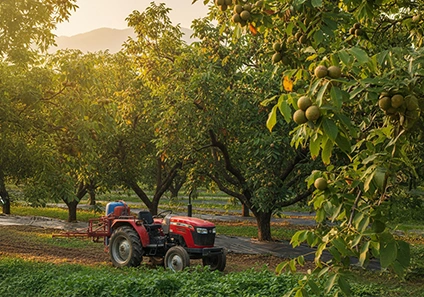
Walnuts — known locally as akhrot — represent a high-potential cash crop for horticulturists in India. Though large-scale commercial cultivation remains limited, the crop offers excellent profitability for growers who can meet its climatic, soil, and management requirements.
In this blog, we cover the full panorama: from benefits and market opportunities (including walnut price, walnut production in India, and walnut benefits) to the detailed agronomy of cultivation.
Benefits of Walnut Farming

Walnut cultivation holds several advantages for Indian growers. Here are some of the key benefits:
1. High income potential and market demand
Walnuts are increasingly sought after in domestic and export markets. Because they have a relatively long shelf life (especially in shell) and are less perishable than many fresh fruit crops, they offer farmers flexible marketing options.
2. Suited for long-distance transport & storage
Once dried properly (reducing moisture content by ~60%), walnut nuts become lightweight, durable and ideal for sending to distant markets or export.
Furthermore, nuts in shell can be stored for up to 18–20 months under proper conditions without significant loss of quality — a big plus compared to many perishable crops.
3. By-products & recyclable shells
The shells of walnuts are not wasted. They have industrial applications such as tumbling or blasting media, fillers, polishing and filtration uses, creating additional income opportunities.
4. Good yield potential once established
Well-managed walnut orchards can steadily increase in yield year-on-year, offering good long-term returns.
5. Relatively lower disease pressure
Compared to many fruit crops, walnut trees show better tolerance to common pests and diseases, reducing pesticide costs.
6. Growing demand and positive economics
With increasing health awareness and demand for dry fruits, walnuts enjoy strong domestic and international demand.
In short, the combination of market potential, storage advantages, and long-term yield growth makes walnuts an attractive proposition.
Production & Price Snapshot

- India’s walnut production (2023–24 estimate) is around 33,450 metric tonnes (in-shell).
- Top producing states: Jammu & Kashmir, Himachal Pradesh, Uttarakhand, and Arunachal Pradesh.
- Retail walnut prices range between ₹470.91 to ₹839.45 per kg depending on quality and location.
- Wholesale mandi prices are reported around ₹600 per kg.
These figures highlight the strong income potential of walnut farming when quality and marketing are well managed.
Understanding Walnut Varieties in India
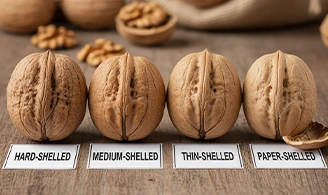
In India, the Persian walnut (Juglans regia) is the primary cultivated species. Based on shell characteristics, walnuts are classified into:
- Hard-shelled
- Medium-shelled
- Thin-shelled
- Paper-shelled
Selecting the right variety or grafted combination is critical for yield, quality, and regional adaptability.
Site Requirements: Climate & Soil
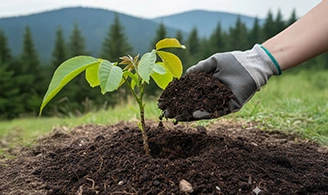
Climate
- Requires 1,000–1,500 chilling hours below ~7°C.
- Optimal growing temperature: 25–30°C.
- Avoid frost-prone and high-wind areas.
- Dry, sunny weather during nut filling improves quality.
Soil
- Deep, well-drained loamy or silty-loam soils.
- Soil pH between 6.0 and 7.5.
- Rich organic matter with zinc and boron supplementation.
- Avoid waterlogged or compact soils.
Step-by-Step: Walnut Cultivation in India
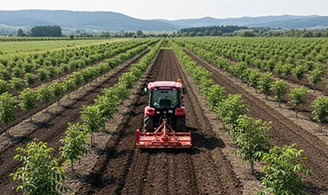
1. Land Preparation
- Clear weeds, debris and old roots.
- Plough and harrow 3–4 times.
- Ensure proper drainage.
2. Propagation Techniques
- Seed propagation for strong rootstocks.
- Grafting or budding for superior varieties.
- Use locally adapted planting material.
3. Planting & Spacing
- Recommended spacing: 12 m × 12 m.
- Ensures good canopy development and air circulation.
- Avoid overcrowding.
4. Irrigation & Watering
- Young plants require regular watering.
- Drip or sprinkler irrigation is ideal.
- Avoid over-irrigation and waterlogging.
5. Fertilizer Schedule
- Apply organic manure before planting.
- Nitrogen in spring; phosphorus and potassium in split doses.
- Micronutrients like zinc and boron are beneficial.
6. Training, Pruning & Maintenance
- Train trees into central leader or open vase systems.
- Remove dead and overlapping branches.
- Maintain clean orchard floor and mulching.
7. Harvesting & Post-Harvest Handling
- Grafted trees bear in 4–5 years.
- Harvest when green hull splits (Sept–Oct).
- Dry nuts properly before storage.
- Store in cool, dry conditions for up to 20 months.
8. Yield Estimates
- Average yield: 40–50 kg per mature tree.
- Exceptional yields up to 150 kg/tree under ideal conditions.
Walnut Farming in India: Regional Focus

- Jammu & Kashmir – largest producer.
- Himachal Pradesh, Uttarakhand, Arunachal Pradesh – growing regions.
- Smaller-scale cultivation in Darjeeling and Sikkim.
Market Considerations & Challenges
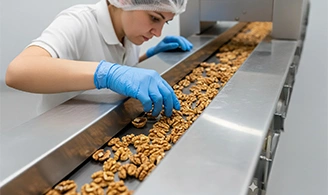
- Quality grading affects price realization.
- Proper processing and storage are essential.
- Strong global competition from the US and China.
- Long gestation period requires patience.
- Climate risks such as frost and hail.
Final Thoughts
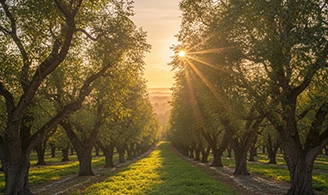
Walnut farming in India offers a profitable and sustainable long-term opportunity for growers in suitable temperate regions. Although the crop demands patience and proper management, its high market demand, storage durability, and premium pricing make it a valuable orchard investment.
If you have the right climate, land, and long-term vision, walnut cultivation can be an excellent choice.
Recent Articles
Tag Cloud
Connect With Us

Oct 31, 2025

Nov 3, 2025

You May Also Like
- Read More
 Which is the Best Tractor for Farming in India?
Farming tractors are the essential companions of farmers; these robust machines help them work...
- Read More
 Choosing the Right Tractor for Groundnut Farming
Groundnut, or peanut, is grown in five states of India, namely Andhra Pradesh, Gujarat, Tamil Nadu, Karnataka, Rajasthan and Maharashtra.
- Read More
 Mahindra’s Tractor’s Potato Farming Guide
Paddy farming is one of India’s most prevalent farming methods that use small, flooded fields to cultivate rice.
- Read More
 Why Buy a Mahindra 275 DI XP Plus Tractor: Mileage, Features & Specs
The Indian Tractor market is unique—farmers are looking for an all-rounder tractor that satisfies all their needs while being affordable and powerful. One such tractor that meets the demands of Indian farmers is the Mahindra 275


 Not happy
 Could be better
 It's okay
 Good
Good Excellent