


Agriculture Drone Subsidy for Farmers: Schemes, Benefits & How to Apply
Dec 10, 2025 | 10 Mins Read


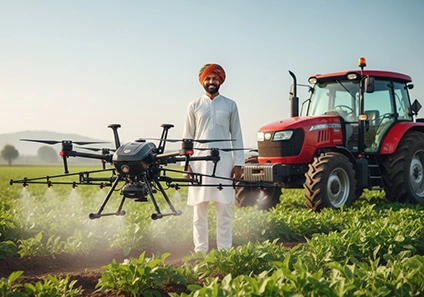
India’s agriculture sector is rapidly embracing advanced technologies, and among the most transformative innovations are farming drones. Once considered futuristic tools, drones are now becoming a practical and powerful part of modern farming. Their ability to spray inputs with precision, scan fields from above, map large areas in minutes, and provide real-time crop insights makes them highly valuable for both small and large-scale farmers.
Recognising their potential, the Government of India and several state governments have launched targeted agriculture drone subsidy schemes. These initiatives aim to make drones affordable to farmers, encourage rapid adoption, and support the transition from traditional practices to tech-enabled agriculture. This blog provides an in-depth look at the major subsidy schemes available, the advantages of using farming drones, and a clear breakdown of how farmers can apply online for agriculture drone subsidy.
Why Farming Drones Are Becoming Essential in Modern Agriculture
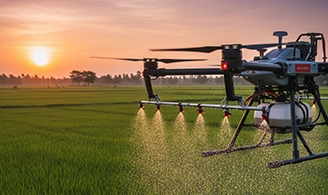
Drones have moved far beyond novelty—they are now practical tools reshaping everyday farming activities. Their advantages make them especially valuable in Indian agriculture, where labour shortages, unpredictable weather, and the need for efficient resource use are constant challenges.
Key advantages of farming drones:
- Accurate spraying of fertilisers and pesticides
Drones ensure precise application, minimising chemical wastage and improving plant health. - Fast aerial inspection of crops
Drones can quickly detect pest attacks, nutrient deficiencies or disease outbreaks, enabling timely action. - Access to difficult terrain
Areas like orchards, marshy fields, paddy zones, or uneven land become easy to cover with spraying drones. - Quicker turnaround time
Tasks that take hours manually—such as spraying after rainfall—can be done in minutes, directly improving yield potential.
Because of their efficiency, drones are now an important pillar of modern farming, and with subsidies reducing the financial burden, adoption is increasing across India.
Overview of Major Agriculture Drone Subsidy Schemes in India
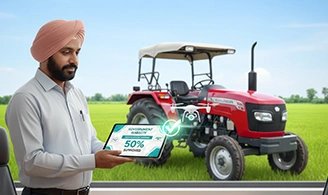
The government has designed these schemes to encourage farmers, Farmer Producer Organisations (FPOs), Self-Help Groups (SHGs), and rural institutions to adopt drones without worrying about high costs. Below are the key scheme highlights based on the latest information.
1. Eligibility Criteria
Most subsidy programmes include the following eligible beneficiaries:
- Individual farmers
- FPOs and cooperatives
- Registered SHGs
- Custom Hiring Centres (CHCs)
- Agri-machinery banks
This broad eligibility ensures that both individuals and community-based organisations can seek financial support.
2. Subsidy Percentage and Financial Assistance
- Many schemes offer 40%–50% subsidy on the total cost of the drone.
- Some programmes cap financial assistance at up to ₹5 lakh, depending on the drone category and the applicant.
- Certain state-specific schemes encourage women’s participation by offering up to 80% subsidy for women-led SHGs.
Such generous financial support drastically reduces the price barrier and makes farming drones accessible even to smallholders.
3. What the Subsidy Covers
The subsidy usually covers:
- The cost of the agricultural drone
- Accessories such as tanks, nozzles, chargers and batteries
- Software or mapping tools (in some cases)
- Hands-on training for safe and efficient drone operation
- Maintenance or service support, depending on the programme
Some schemes even promote Drone-as-a-Service (DaaS) models through CHCs, ensuring farmers can use drones without purchasing one.
4. Important Compliance Requirements
Certain schemes require:
- The drone model to be approved by DGCA
- Purchase only from registered manufacturers
- Valid documentation proving farmer identity and land ownership
Overall, the schemes are designed to ensure that high-quality, safe, and reliable drones reach genuine farming users.
Also Read: 10 Key Government Schemes For Indian Agriculture Farmers
Benefits of the Agriculture Drone Subsidy for Farmers
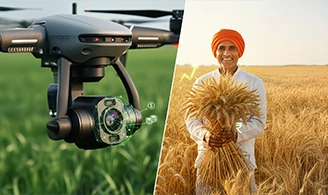
The introduction of subsidies has opened the door for farmers to adopt advanced tools at a fraction of the original cost. The advantages extend far beyond affordability.
1. Significant Reduction in Upfront Costs
With nearly half the drone cost covered through subsidy:
- Farmers face a much lower financial burden
- Expensive drones become affordable even for small and medium farmers
- Technology adoption accelerates in rural regions
This single factor has the highest impact, as cost is usually the biggest barrier to adopting modern equipment.
2. Faster Return on Investment (ROI)
Drones offer multiple agricultural applications:
- Fertiliser and pesticide spraying
- Field mapping
- Crop health analytics
- Estimation of sowing and harvesting windows
Faster work, better coverage, and precision reduce input use, save labour hours, and improve yield—leading to quick ROI. With reduced purchase cost through subsidy, the payback period becomes even shorter.
3. Higher Efficiency and Improved Yields
Drones help farmers complete tasks quickly and with more accuracy. Precision spraying reduces crop damage while ensuring uniform coverage. Early detection of issues helps farmers take corrective action before problems escalate, directly improving yields.
4. Technology Access for Small Farmers
Many small farmers cannot afford drones even after subsidy. However:
- FPOs
- SHGs
- CHCs
can buy drones under subsidised rates and provide drone services to multiple farmers. This ensures tech inclusion, where even farmers with tiny landholdings benefit from the latest innovations.
5. Environmental Advantages
Drone spraying reduces:
- Overuse of chemicals
- Soil and water contamination
- Human exposure to hazardous pesticides
- Fuel consumption (compared to tractor spraying)
Thus, subsidies indirectly support sustainable agriculture.
6. Boost to the Agritech Industry
Wider adoption of drones means increased demand for:
- Drone manufacturing
- Repair and maintenance services
- Operator training
- Rental and DaaS models
This strengthens the broader agritech ecosystem and contributes to “Make in India”.
Step-by-Step Guide: How to Apply Online for Agriculture Drone Subsidy

Farmers and organisations can follow this process to apply online for agriculture drone subsidy:
Step 1: Verify Your Eligibility
Before applying:
- Check whether you qualify as an individual farmer, FPO, SHG or CHC
- Confirm that your state currently offers the subsidy
- Ensure you meet conditions like land size, cropping pattern or organisational registration (for groups)
Step 2: Select an Approved Drone Model and Manufacturer
- Choose a drone specifically designed for agricultural spraying or mapping
- Verify that the manufacturer is DGCA-approved
- Request a detailed quotation including accessories, warranty and service support
This quotation is mandatory for subsidy application.
Step 3: Gather Required Documents
You may need:
- Aadhaar card
- Land ownership or lease certificate
- Bank account details
- Organisation registration certificate (if applicable)
- Drone quotation
- Past cultivation records (in some schemes)
Prepare clear digital copies of all documents.
Step 4: Apply Online Through the Official Portal
- Visit your state’s agriculture or mechanisation portal
- Fill out the drone subsidy application form
- Upload the required documents
- Submit and record the application number
This application ID is important for tracking approval.
Step 5: Approval and Post-Purchase Process
- Authorities verify your documents
- Once approved, you can proceed with the drone purchase
- After purchase, submit the invoice and any other required proof
- The subsidy amount will be credited to your bank or reimbursed based on scheme rules
Step 6: Use the Drone as per Guidelines
Some schemes may require:
- Drone registration updates
- Training certification
- Usage reporting
Make sure to follow all compliance rules to retain eligibility.
Best Practices for Farmers Adopting Drone Technology
- Choose a drone with the right payload and battery life
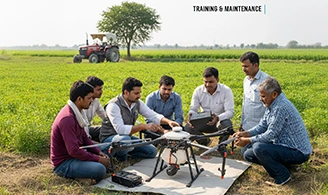
- Ensure your supplier provides training and after-sales support
- Match drone size with your land area—avoid overspending
- Factor in operation costs such as batteries and maintenance
- Consider shared-service or CHC models if full ownership is not needed
- Stay updated on changing state subsidy schemes
- Invest time in proper drone operation training
A well-chosen drone used correctly can drastically transform farm efficiency.
Also Read: Benefits of Tractor Ploughing Machines in Modern Farming
The Bigger Picture: How Drone Subsidies Shape the Future of Modern Farming
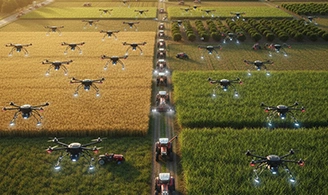
- Mechanisation spreads even in fragmented holdings
- Precision agriculture becomes mainstream
- Chemical usage decreases
- Rural youth get new employment opportunities as drone pilots
- Indian agritech companies grow stronger
Through these combined benefits, drone subsidies help modern farming move toward higher profitability, sustainability and efficiency.
Conclusion: Why Farmers Should Act Now
The agriculture drone subsidy is a powerful opportunity for farmers ready to embrace modern farming tools. With substantial financial support, easier access, and multiple practical advantages, drones are quickly becoming essential for competitive agriculture.
If you wish to adopt this technology:
- Check your state’s subsidy scheme
- Select a reliable supplier
- Apply online
- Ensure you receive proper training
Investing in a drone today means investing in a more productive, efficient and future-ready farming system. With government support at its strongest, now is the ideal time for farmers to take the next step toward technology-driven agriculture.
Recent Articles
Tag Cloud
Connect With Us


Dec 8, 2025
Dec 12, 2025

You May Also Like
- Read More
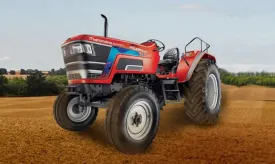 Which is the Best Tractor for Farming in India?
Farming tractors are the essential companions of farmers; these robust machines help them work...
- Read More
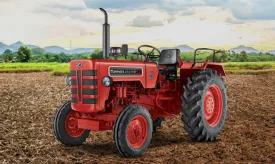 Choosing the Right Tractor for Groundnut Farming
Groundnut, or peanut, is grown in five states of India, namely Andhra Pradesh, Gujarat, Tamil Nadu, Karnataka, Rajasthan and Maharashtra.
- Read More
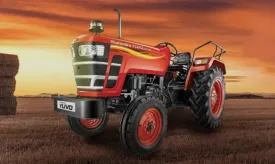 Mahindra’s Tractor’s Potato Farming Guide
Paddy farming is one of India’s most prevalent farming methods that use small, flooded fields to cultivate rice.
- Read More
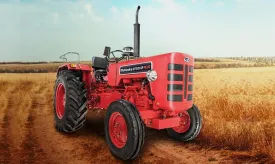 Why Buy a Mahindra 275 DI XP Plus Tractor: Mileage, Features & Specs
The Indian Tractor market is unique—farmers are looking for an all-rounder tractor that satisfies all their needs while being affordable and powerful. One such tractor that meets the demands of Indian farmers is the Mahindra 275


 Not happy
 Could be better
 It's okay
 Good
Good Excellent