


How to Choose the best rotavator for your farm
Nov 26, 2025 | 6 Mins Read


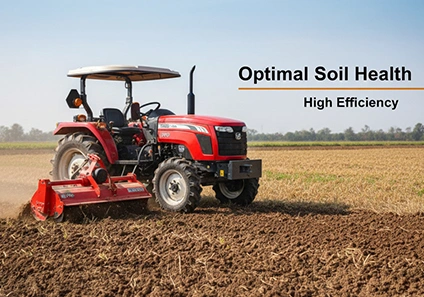
Selecting the right rotavator can significantly enhance your farming efficiency, improve soil health, and ultimately boost crop yields. With various models and features available, it’s crucial to choose a rotavator that suits your specific needs. Here’s a comprehensive guide to help you make the best choice for your farm.
1. Understand your farming needs
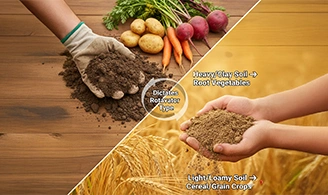
Type of crops: Consider the types of crops you will be growing. Different crops may require different soil preparation methods. For instance, root vegetables might benefit from deeper tilling, while cereals may require a lighter touch.
Soil type: The type of soil on your farm—be it sandy, clay, or loamy—affects how a rotavator performs. Heavier soils may need more robust machines with greater horsepower, while lighter soils can work well with smaller models.
2. Evaluate rotavator types
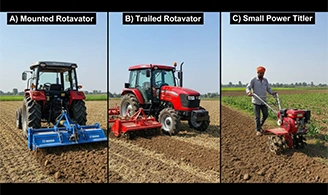
Mounted rotavators: These are attached to the tractor's three-point hitch and are ideal for small to medium-sized farms. They are versatile and easy to maneuver, making them suitable for various tasks.
Trailed rotavators: These models are larger and more powerful, designed for bigger farms and larger tractors. They offer better stability and can cover more ground in less time, making them ideal for extensive operations.
Power Tiller vs. rotavator: While both tools prepare soil, a power tiller is generally smaller and suited for lighter tasks. In contrast, rotavators are more robust and capable of deeper tilling, making them better for serious soil preparation.
3. Consider working width and depth
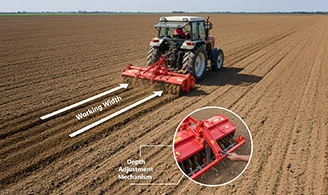
Width: The working width of the rotavator should match your tractor's capacity and your field size. A wider rotavator allows you to cover more area in a single pass, increasing efficiency. However, ensure that your tractor can handle the added width without compromising stability.
Depth adjustment: Look for models with adjustable depth settings. Being able to customize how deep you till the soil is essential for different crop requirements and soil conditions.
4. Assess power requirements
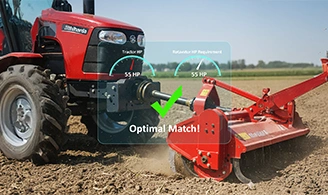
Horsepower compatibility Check the horsepower requirements of the rotavator and ensure it matches your tractor’s specifications. Using an underpowered tractor can lead to inefficiencies and potential damage to both the tractor and the rotavator.
Type of engine: Consider whether you prefer a diesel or petrol engine, as each has its pros and cons. Diesel engines generally provide more torque and are more fuel-efficient for heavy-duty tasks.
5. Examine build quality and durability
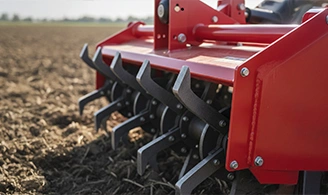
Material quality: Choose rotavators made from high-quality materials that can withstand tough working conditions. Look for models with robust frames and durable tines that won’t easily break or wear down.
Brand reputation: Research reputable brands known for producing reliable agricultural equipment. User reviews and testimonials can provide insights into a brand's durability and customer service.
6. Look for additional features
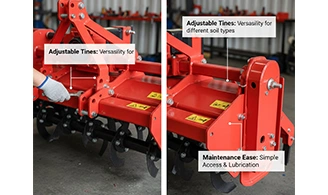
Adjustable tines: Some rotavators come with adjustable tines that can be changed depending on the job. This flexibility can enhance your efficiency and effectiveness in soil preparation.
Maintenance ease: Select a rotavator that is easy to maintain. Features such as quick-release mechanisms for tines and accessible grease points can save you time during maintenance.
Safety features: Ensure the rotavator has necessary safety features, such as shields and guards, to protect the operator and prevent accidents.
7. Consider budget and financing options
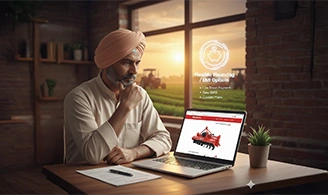
Budget: Determine your budget and stick to it. While investing in a high-quality rotavator may seem costly upfront, the long-term benefits in terms of durability and efficiency can outweigh the initial investment.
Financing options: Check for financing options or subsidies available for purchasing agricultural equipment. Many manufacturers and dealers offer flexible payment plans to make acquiring a rotavator more manageable.
Conclusion
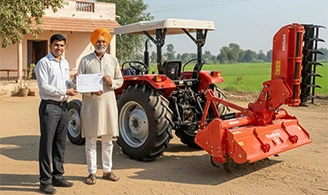
Choosing the best rotavator for your farm involves careful consideration of your specific needs, soil type, tractor compatibility, and budget. By assessing these factors and selecting a model that meets your requirements, you can enhance your farming efficiency and achieve better crop yields. Investing in the right rotavator is an investment in the future success of your agricultural operations, making it a critical decision for any farmer. Happy farming!
Recent Articles
Tag Cloud
Connect With Us

Nov 25, 2025
Nov 28, 2025

You May Also Like
- Read More
 Which is the Best Tractor for Farming in India?
Farming tractors are the essential companions of farmers; these robust machines help them work...
- Read More
 Choosing the Right Tractor for Groundnut Farming
Groundnut, or peanut, is grown in five states of India, namely Andhra Pradesh, Gujarat, Tamil Nadu, Karnataka, Rajasthan and Maharashtra.
- Read More
 Mahindra’s Tractor’s Potato Farming Guide
Paddy farming is one of India’s most prevalent farming methods that use small, flooded fields to cultivate rice.
- Read More
 Why Buy a Mahindra 275 DI XP Plus Tractor: Mileage, Features & Specs
The Indian Tractor market is unique—farmers are looking for an all-rounder tractor that satisfies all their needs while being affordable and powerful. One such tractor that meets the demands of Indian farmers is the Mahindra 275


 Not happy
 Could be better
 It's okay
 Good
Good Excellent