


Tips for preventing tractor radiator overheating
Nov 25, 2025 | 7 Mins Read


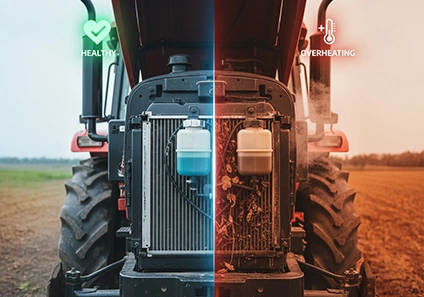
Tractor overheating can lead to significant damage, reduced performance, and costly repairs. One of the most common culprits of overheating is a malfunctioning radiator. Keeping your tractor's radiator in good working condition is essential for optimal performance and longevity. Here are some effective tips to prevent radiator overheating and ensure your tractor runs smoothly.
1. Regular radiator inspections
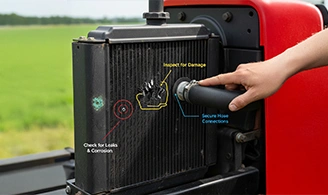
Visual checks: Make it a habit to inspect the radiator regularly. Look for any signs of damage, such as leaks, corrosion, or bent fins. Ensure that there are no obstructions blocking airflow, such as dirt or debris.
Check hoses and connections: Inspect the hoses connected to the radiator for cracks or leaks. Make sure all connections are secure to prevent coolant loss.
2. Keep the radiator clean
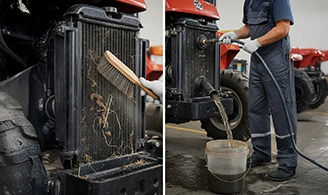
Remove debris: Dirt, dust, and debris can accumulate on the radiator fins, blocking airflow and reducing cooling efficiency. Clean the radiator using compressed air or a soft brush to remove any buildup. Be gentle to avoid damaging the fins.
Flush the radiator: Periodically flush the radiator to remove any buildup of coolant contaminants. This helps maintain optimal heat exchange and prevents overheating.
3. Monitor coolant levels
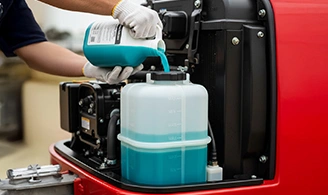
Check regularly: Keep an eye on coolant levels in the radiator and overflow tank. Low coolant can lead to overheating. Refill with the appropriate coolant mixture as needed.
Use quality coolant: Always use the manufacturer-recommended coolant type. Quality coolant not only helps regulate temperature but also prevents corrosion within the cooling system.
4. Check the thermostat
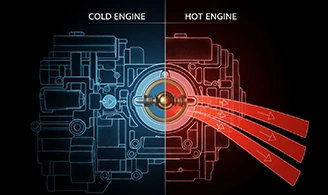
Functionality: The thermostat regulates coolant flow between the engine and radiator. A malfunctioning thermostat can cause overheating. Test its functionality regularly, and replace it if it’s not opening or closing properly.
5. Inspect the water pump
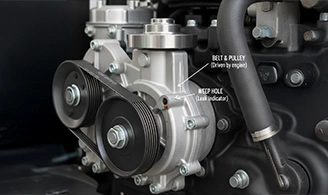
Performance check: The water pump circulates coolant throughout the engine and radiator. A failing water pump can lead to insufficient coolant flow, causing overheating. Listen for unusual noises and check for leaks around the pump.
Replacement: If you suspect the water pump is not functioning properly, have it inspected and replaced if necessary.
6. Monitor engine temperature
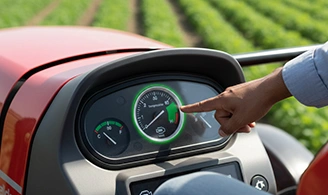
Use a temperature gauge: Invest in a reliable temperature gauge to monitor the engine temperature while operating the tractor. If the gauge indicates rising temperatures, take immediate action to prevent overheating.
Know your limits: Familiarize yourself with the normal operating temperature range for your tractor. Understanding what is considered normal will help you identify potential issues early.
7. Avoid overloading the tractor

Weight management: Overloading your tractor can put excessive strain on the engine, leading to overheating. Be mindful of weight limits and distribute loads evenly.
Take breaks: If you’re working in hot conditions or using the tractor for extended periods, take regular breaks to allow the engine to cool down.
8. Service your tractor regularly
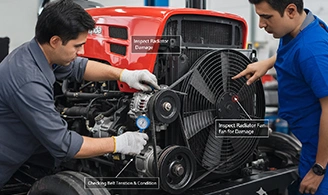
Follow a maintenance schedule: Adhere to the manufacturer’s recommended maintenance schedule. Regular servicing can help identify and resolve potential issues before they lead to overheating.
Check belts and fans: Ensure that the belts are in good condition and that the radiator fan is functioning correctly. A faulty fan can impede airflow, leading to overheating.
Conclusion
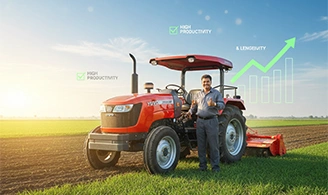
Preventing radiator overheating is crucial for maintaining the performance and longevity of your tractor. By following these tips and adopting a proactive approach to maintenance, you can minimize the risk of overheating and keep your tractor running smoothly. Regular inspections, proper coolant management, and attention to the cooling system can save you time, money, and headaches in the long run. Remember, a well-maintained tractor not only performs better but also enhances productivity on your farm.
Recent Articles
Tag Cloud
Connect With Us

Dec 29, 2025
Nov 26, 2025

You May Also Like
- Read More
 Which is the Best Tractor for Farming in India?
Farming tractors are the essential companions of farmers; these robust machines help them work...
- Read More
 Choosing the Right Tractor for Groundnut Farming
Groundnut, or peanut, is grown in five states of India, namely Andhra Pradesh, Gujarat, Tamil Nadu, Karnataka, Rajasthan and Maharashtra.
- Read More
 Mahindra’s Tractor’s Potato Farming Guide
Paddy farming is one of India’s most prevalent farming methods that use small, flooded fields to cultivate rice.
- Read More
 Why Buy a Mahindra 275 DI XP Plus Tractor: Mileage, Features & Specs
The Indian Tractor market is unique—farmers are looking for an all-rounder tractor that satisfies all their needs while being affordable and powerful. One such tractor that meets the demands of Indian farmers is the Mahindra 275


 Not happy
 Could be better
 It's okay
 Good
Good Excellent