


How to Prepare Your Tractor for Winter: Essential Tips
Dec 29, 2025 | 10 Mins Read



Winter brings a unique set of challenges for farmers and tractor owners. From low temperatures and moisture-laden air to frozen fuel lines and thickened engine oil, your tractor faces conditions that can affect its performance, reliability, and overall lifespan. Effective tractor maintenance before winter not only ensures smooth performance during the cold months but also helps avoid unexpected breakdowns, costly repairs, and downtime that can disrupt crucial farm activities.
Whether you use your tractor daily for field operations or occasionally for hauling and lifting tasks, preparing it for winter is essential. This comprehensive guide outlines practical and effective steps for tractor winter preparation, ensuring it remains in top condition throughout the season.
Why Winter Preparation Matters for Your Tractor

Winter affects tractors in several ways. Cold weather thickens engine oils, making it harder for the engine to start. Freezing temperatures can affect the battery, hydraulic systems, and fuel lines. Moisture can lead to rust, electrical failures, and corrosion. Many farmers assume tractors can survive cold weather without specific preparation, but lack of maintenance often results in:
- Hard starting or failure to start
- Reduced engine performance
- Battery drain
- Hydraulic system malfunction
- Cracked hoses and seals
- Frozen diesel in fuel lines
- Rusted implements or chassis components
With strategic planning and regular checks, you can keep your tractor running efficiently all winter.
1. Start with a Complete Inspection

The first step in tractor winter preparation is to conduct a full inspection. Look for:
- Oil leaks
- Cracked hoses
- Worn belts
- Rust patches
- Loose bolts
- Damaged wiring
- Low fluid levels
Check the tractor from front to back. If you notice anything unusual—oil drips, worn parts, or loose components—fix them before winter sets in. Winter magnifies existing issues and makes small problems worse.
Tip: Carry out this inspection with good lighting or, if possible, under a shed to avoid missing small cracks caused by temperature variations.
2. Change to Winter-Grade Engine Oil

Cold weather thickens engine oil, making it harder for the tractor engine to start and operate efficiently. Check your manufacturer’s manual for recommended winter-grade oil. Using oil with a lower viscosity rating ensures smooth lubrication even in freezing temperatures.
- Switch from the standard oil to a winter-friendly variant (e.g., 5W-30 or 10W-30 depending on climate).
- Replace the oil filter when changing the engine oil.
- Ensure seals and gaskets are not leaking before the oil change.
Proper lubrication is vital for tractor maintenance during winter because it reduces wear and tear on the engine components.
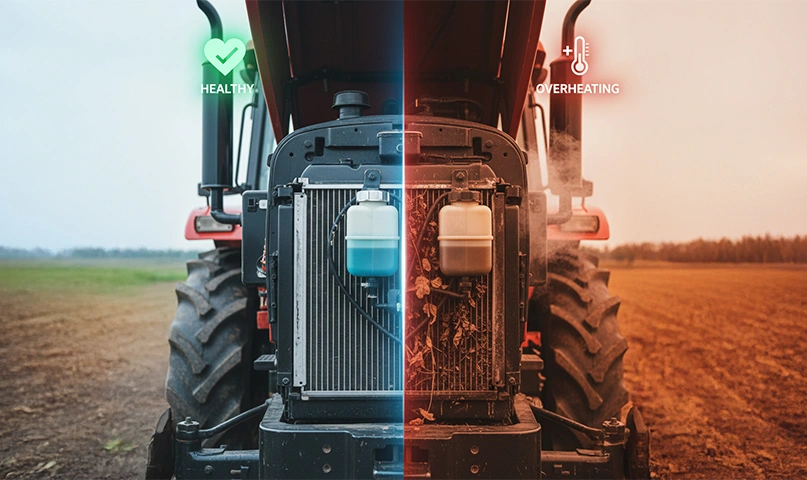
3. Check and Maintain the Cooling System
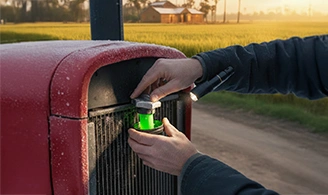
Farmers sometimes assume winter means the cooling system won’t be stressed, but cold weather can still affect coolant performance. The coolant not only controls temperature but also prevents internal engine corrosion.
Make sure to:
- Drain old coolant and refill with a proper antifreeze mixture.
- Check radiator hoses for cracks or stiffness.
- Ensure the radiator cap is sealing correctly.
- Inspect for clogs in coolant lines and radiator fins.
Antifreeze prevents water from freezing inside the system, which can otherwise cause serious engine damage.
4. Inspect the Battery Thoroughly

Low temperatures reduce the battery’s ability to supply power. A weak battery may fail in winter, leaving your tractor unable to start.
Carry out these checks:
- Clean battery terminals to remove corrosion.
- Top up battery water levels if required (for non-sealed batteries).
- Test battery voltage—should ideally be 12.6 volts or above.
- Check for signs of swelling, leaks, or cracks.
If your battery is more than 3–4 years old or shows signs of weakness, consider replacing it before winter.
5. Maintain the Fuel System

Diesel fuel thickens in cold weather, making it difficult for the engine to draw fuel. Moisture can also accumulate in the fuel tank, causing rust and contamination.
Tips for winter fuel care:
- Use winter-grade diesel or add an approved anti-gel additive.
- Keep the fuel tank full to prevent condensation inside.
- Drain water separators and replace fuel filters.
- Start the tractor periodically if you don’t use it daily.
A clean, moisture-free fuel system ensures proper combustion and smooth operation.
6. Protect the Tractor’s Hydraulic System
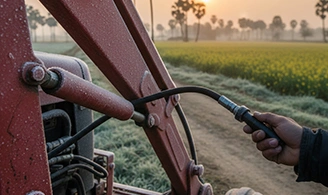
Hydraulic systems power essential tractor functions such as lifting, steering, and braking. Cold weather can thicken hydraulic oil and stiffen seals.
Steps to prepare:
- Check hydraulic fluid levels.
- Replace old hydraulic oil with winter-viscosity oil.
- Inspect hydraulic hoses for brittleness or cracks.
- Ensure no leaks from fittings or joints.
Maintaining the hydraulic system is vital for tractor stability and safe operation in winter.
7. Examine Tyres and Maintain Proper Pressure

Tyres lose air pressure in cold temperatures. Under-inflated tyres reduce traction, increase fuel consumption, and can lead to sidewall cracking.
Winter tyre care checklist:
- Check tyre pressure regularly.
- Inflate tyres to the recommended PSI.
- Inspect for cuts, bulges, or worn treads.
- Clean mud and debris stuck between treads.
If your tractor uses dual tyres for heavy loads, ensure both tyres are equally inflated.
8. Lubricate All Moving Parts
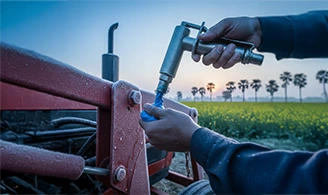
Winter can cause metal parts to stiffen. Proper lubrication ensures that moving components operate smoothly even in cold weather.
Lubricate:
- PTO shafts
- Linkages
- Hinges
- Steering joints
- Brake and clutch linkages
- Implement couplings
This reduces wear and prevents rust formation.
9. Store Your Tractor Properly

Where and how you store your tractor during winter is just as important as mechanical maintenance.
Ideal storage practices:
- Keep the tractor in a covered shed, barn, or garage.
- If indoor storage isn’t available, use a waterproof tractor cover.
- Place wooden planks under the tyres to prevent moisture damage.
- Disconnect the battery if the tractor will be unused for long periods.
Proper storage prevents moisture buildup, rust, and rodent damage.
10. Prepare Implements for Winter

Your tractor may be the main machine, but winter can also damage implements. Inspect and prepare:
- Ploughs
- Rotavators
- Seed drills
- Harrows
- Trolleys
- Cultivators
Grease moving parts, clean blades, tighten bolts, and store them under cover. This ensures they’re ready when you need them after winter.
11. Start Your Tractor Periodically

If you don’t use your tractor daily during winter:
- Start it at least once a week.
- Let it idle for 10–15 minutes.
- Operate the gearbox and hydraulics lightly.
This keeps fluids circulating and prevents hard starts later.
12. Check the Electrical System
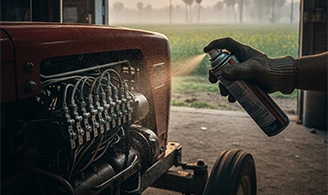
Cold weather stresses electrical components. Inspect:
- Wiring harnesses
- Light connections
- Switches
- Fuses
- Starter motor
Clean and protect connections with anti-corrosion spray. Reliable electricals are essential for starting and operating a tractor in winter.
13. Keep Emergency Tools and Spare Parts Ready
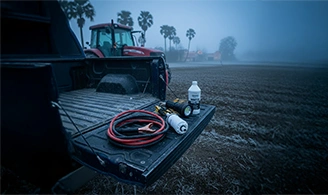
Winter increases the chances of unexpected breakdowns.
Keep handy:
- Spare fuel filters
- Engine oil
- Radiator coolant
- A portable jump starter
- Tool kit
- Tyre inflator
- Tow rope
These can save time and help you handle minor issues yourself.
Final Thoughts

Proper tractor winter preparation is crucial for keeping your machine dependable during low temperatures. Winter puts significant stress on engines, fuel systems, batteries, tyres, and hydraulics—but with the right tractor maintenance routine, you can protect your tractor from cold-related damage and ensure smooth performance.
By following the maintenance tips above—checking fluids, protecting the battery, inspecting tyres, lubricating moving parts, and storing your tractor properly—you are not just preparing your tractor for winter; you’re extending its life, improving efficiency, and reducing costs in the long run.
A well-maintained tractor is your strongest ally in the field. Winter doesn’t have to slow you down—prepare your machine wisely, and it will serve you reliably through the cold months and beyond.
Recent Articles
Tag Cloud
Connect With Us


Dec 22, 2025
Nov 25, 2025

You May Also Like
- Read More
 Which is the Best Tractor for Farming in India?
Farming tractors are the essential companions of farmers; these robust machines help them work...
- Read More
 Choosing the Right Tractor for Groundnut Farming
Groundnut, or peanut, is grown in five states of India, namely Andhra Pradesh, Gujarat, Tamil Nadu, Karnataka, Rajasthan and Maharashtra.
- Read More
 Mahindra’s Tractor’s Potato Farming Guide
Paddy farming is one of India’s most prevalent farming methods that use small, flooded fields to cultivate rice.
- Read More
 Why Buy a Mahindra 275 DI XP Plus Tractor: Mileage, Features & Specs
The Indian Tractor market is unique—farmers are looking for an all-rounder tractor that satisfies all their needs while being affordable and powerful. One such tractor that meets the demands of Indian farmers is the Mahindra 275


 Not happy
 Could be better
 It's okay
 Good
Good Excellent