


Mahindra Tractor Post-Monsoon Care & Maintenance Checklist
Sep 1, 2026 | 5 Mins Read


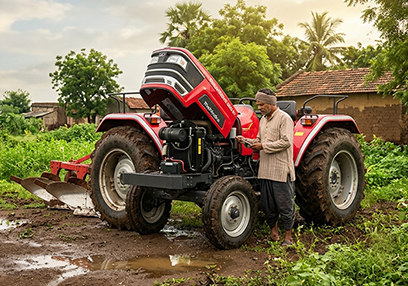
Table of Content
The monsoon season is essential for Indian agriculture, but it can also take a toll on farm machinery. Prolonged exposure to rain, mud, moisture, and humidity can affect your tractor's engine, tyres, electrical system, brakes, and hydraulic components. Once the rains subside, performing a thorough tractor maintenance routine is crucial to ensure reliable performance during the upcoming Rabi season.
Whether your Mahindra tractor has been used extensively for puddling, haulage, or field preparation, a proper tractor inspection checklist can help identify potential issues before they become costly repairs. This guide outlines the essential steps for tractor care after the monsoon and explains why preventive maintenance is key to extending the life of your monsoon tractor.
Why Post-Monsoon Tractor Maintenance Is Important
Monsoon farming exposes tractors to some of the toughest operating conditions. Waterlogged fields, muddy terrain, and high humidity can lead to:
- Corrosion of metal components
- Mud accumulation on moving parts
- Clogged air and fuel filters
- Reduced braking efficiency
- Electrical system issues
- Premature tyre wear
- Contaminated lubricants
Ignoring these issues can result in poor performance, higher fuel consumption, unexpected breakdowns, and expensive repairs. Regular post-monsoon servicing helps keep your tractor in peak condition and ready for the next cropping season.
Post-Monsoon Tractor Maintenance Checklist: Step by Step
Step 1: Wash Your Tractor Thoroughly

The first step in post-monsoon tractor care is cleaning the entire tractor.
Remove:
- Mud deposits
- Crop residue
- Grass and weeds
- Grease buildup
- Standing water
Pay special attention to the undercarriage, wheel hubs, radiator, and hydraulic linkages where mud often accumulates.
After washing, allow the tractor to dry completely before inspecting electrical components or applying lubricants.
Step 2: Inspect the Engine
The engine is the heart of your tractor and deserves special attention after the rainy season.
Check for:
- Oil leaks
- Loose hoses
- Worn belts
- Coolant levels
- Engine oil condition
If the engine oil appears milky or contaminated, moisture may have entered the lubrication system. Replace the oil and oil filter if necessary.
Regular engine maintenance helps maintain performance and fuel efficiency.
Step 3: Check the Air Filter
Monsoon conditions often expose tractors to moisture, dust, and debris.
A clogged or damp air filter restricts airflow, reducing engine efficiency and increasing fuel consumption.
Inspect the filter carefully.
- Clean reusable filters.
- Replace damaged or heavily clogged filters.
- Ensure the air intake system is free from moisture.
A clean air filter improves combustion and extends engine life.
Step 4: Inspect the Fuel System
Water contamination is a common issue during the monsoon.
Check:
- Fuel filter
- Fuel lines
- Fuel tank
- Water separator (if equipped)
Drain any accumulated water from the fuel system and replace clogged filters if required.
Using clean fuel helps maintain engine performance and prevents injector damage.
Step 5: Examine the Cooling System
Proper engine cooling is essential for reliable tractor performance.
Inspect:
- Radiator fins
- Coolant level
- Radiator hoses
- Water pump
- Fan belt
Clean any mud or debris blocking the radiator to improve airflow.
Refill coolant if necessary according to the manufacturer's recommendations.
Step 6: Check Hydraulic Oil and Linkages
Hydraulic systems power many agricultural implements, making them critical for farming operations.
Inspect:
- Hydraulic oil level
- Hydraulic hoses
- Linkage pins
- Lift arms
- Oil leaks
Water contamination can reduce hydraulic efficiency.
If hydraulic oil appears cloudy, replace it during servicing.
Step 7: Inspect Tyres Carefully
Tyres experience significant stress during monsoon operations.
Look for:
- Cuts
- Cracks
- Uneven wear
- Embedded stones
- Low tread depth
Check tyre pressure according to the manufacturer's recommendations.
Proper tyre maintenance improves traction, fuel efficiency, and overall tractor stability.
Step 8: Test the Braking System
Wet conditions may reduce braking performance.
Inspect:
- Brake pedals
- Brake linkage
- Brake fluid (where applicable)
- Oil-immersed brake performance
Ensure the brakes operate smoothly before returning the tractor to field operations.
Reliable brakes are essential for both field work and road transport.
Step 9: Inspect the Electrical System
Moisture can affect electrical components during the rainy season.
Check:
- Battery terminals
- Wiring harness
- Starter motor
- Alternator
- Headlights
- Indicator lights
- Horn
Clean battery terminals if corrosion is present and ensure all electrical connections are secure.
Step 10: Lubricate Moving Parts
Rainwater can wash away grease from critical moving components.
Lubricate:
- Steering joints
- Pedal pivots
- Linkages
- PTO shaft
- Hitch components
- Front axle joints
Proper lubrication minimizes wear and ensures smooth operation.
Step 11: Inspect the Transmission
The transmission should shift smoothly without unusual noise.
Check:
- Gear operation
- Transmission oil level
- Oil leaks
- Clutch performance
Difficulty in shifting gears may indicate the need for adjustment or servicing.
Step 12: Inspect PTO Operation
Power Take-Off (PTO) systems operate several essential farm implements.
Test PTO engagement and inspect for:
- Noise
- Vibrations
- Oil leaks
- Smooth operation
Proper PTO performance is essential for operating rotavators, sprayers, threshers, and other equipment.
Step 13: Check Implements
Your tractor inspection checklist should also include attached implements.
Inspect:
- Rotavators
- Cultivators
- MB ploughs
- Seed drills
- Trailers
- Sprayers
Replace worn blades, tighten loose bolts, and lubricate moving parts before storage or reuse.
Step 14: Protect Against Rust
Monsoon moisture often accelerates corrosion.
Inspect exposed metal surfaces for signs of rust.
Apply anti-rust coatings or protective paint where required.
Keeping your tractor clean and dry significantly reduces corrosion.
Step 15: Schedule Professional Servicing
While routine inspections can be performed on the farm, periodic servicing at an authorized Mahindra service centre ensures:
- Expert diagnosis
- Genuine spare parts
- Software updates (where applicable)
- Professional lubrication
- Warranty compliance
Professional servicing helps identify hidden issues before they lead to costly breakdowns.
Additional Tractor Care Tips
To maximize your tractor's lifespan:
- Store the tractor under a covered shed.
- Wash off mud immediately after field work.
- Avoid prolonged exposure to standing water.
- Use genuine lubricants and spare parts.
- Follow the manufacturer's maintenance schedule.
- Keep service records for future reference.
These simple practices contribute to better reliability and lower maintenance costs.
Signs Your Tractor Needs Immediate Attention
Don't ignore these warning signs after the monsoon:
- Hard starting
- Reduced engine power
- Black exhaust smoke
- Hydraulic lifting issues
- Unusual vibrations
- Oil leaks
- Electrical failures
- Brake problems
- Steering stiffness
Addressing these issues early helps prevent major repairs and costly downtime.
Benefits of Regular Post-Monsoon Maintenance
A well-maintained Mahindra tractor offers numerous long-term advantages:
- Improved fuel efficiency
- Better engine performance
- Reduced repair costs
- Longer component life
- Increased operational reliability
- Enhanced safety
- Higher resale value
- Reduced downtime during peak farming seasons
Regular maintenance also ensures your tractor is fully prepared for land preparation, sowing, haulage, and other Rabi farming operations.
Conclusion
Your Mahindra tractor works hard throughout the monsoon season, making post-monsoon tractor maintenance essential for maintaining its performance and reliability. By following a comprehensive tractor inspection checklist, you can identify wear and tear early, improve fuel efficiency, and avoid unexpected breakdowns.
From cleaning mud and checking the engine to inspecting hydraulics, tyres, brakes, and electrical systems, every step of tractor care contributes to extending the life of your monsoon tractor. Coupled with regular servicing at an authorized Mahindra service centre, these preventive measures help ensure your tractor remains ready for every farming season.
Investing a little time in maintenance today can save significant repair costs tomorrow—keeping your Mahindra tractor dependable, productive, and ready to support your farming success year after year.
Recent Articles
Tag Cloud
Connect With Us

Sep 1, 2026

Sep 1, 2026

You May Also Like
- Read More
 Which is the Best Tractor for Farming in India?
Farming tractors are the essential companions of farmers; these robust machines help them work...
- Read More
 Choosing the Right Tractor for Groundnut Farming
Groundnut, or peanut, is grown in five states of India, namely Andhra Pradesh, Gujarat, Tamil Nadu, Karnataka, Rajasthan and Maharashtra.
- Read More
 Mahindra’s Tractor’s Potato Farming Guide
Paddy farming is one of India’s most prevalent farming methods that use small, flooded fields to cultivate rice.
- Read More
 Why Buy a Mahindra 275 DI XP Plus Tractor: Mileage, Features & Specs
The Indian Tractor market is unique—farmers are looking for an all-rounder tractor that satisfies all their needs while being affordable and powerful. One such tractor that meets the demands of Indian farmers is the Mahindra 275


 Not happy
 Could be better
 It's okay
 Good
Good Excellent