


How to Choose the Right Mahindra Cultivator for Your Tractor
Jul 29, 2026 | 5 Mins Read


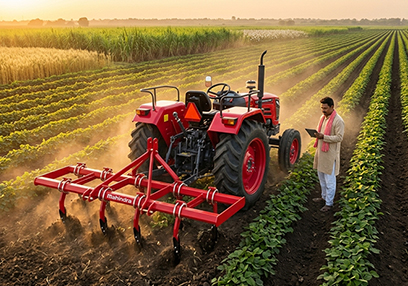
Table of Content
Agriculture has evolved significantly with the adoption of modern farm machinery, and cultivators have become an indispensable implement for efficient land preparation. A cultivator for tractor helps farmers loosen soil, control weeds, improve aeration, and prepare a fine seedbed for planting. However, selecting the right cultivator is crucial to achieving maximum productivity and ensuring compatibility with your tractor.
Mahindra, one of India's leading agricultural equipment manufacturers, offers a range of robust and reliable cultivators designed to meet the needs of different farming operations. But with multiple options available, many farmers often wonder how to choose cultivator for tractor applications that best suit their land, crops, and tractor specifications.
This guide explores the essential factors and cultivator features to consider when selecting the right Mahindra cultivator for your farming needs.
Why choosing the right cultivator matters
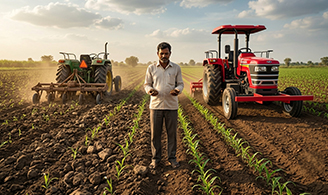
A cultivator is more than just a tillage implement. It directly influences soil quality, crop establishment, and overall farm efficiency. Using the wrong cultivator can lead to uneven soil preparation, increased fuel consumption, excessive wear on your tractor, and reduced productivity.
On the other hand, the right cultivator for tractor operations ensures effective soil management, lower operating costs, and better crop growth conditions. That's why understanding the key selection criteria is important before making an investment.
Understanding Mahindra cultivators
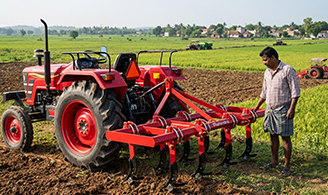
Mahindra cultivators are engineered to deliver durability, efficiency, and consistent field performance. Designed for Indian farming conditions, they are suitable for a wide variety of soil types and cropping systems.
These cultivators are known for:
- Strong and durable construction
- Efficient soil penetration
- Compatibility with multiple tractor models
- Low maintenance requirements
- High operational efficiency
Whether you're preparing fields before sowing or managing weeds between crop rows, Mahindra cultivators provide dependable performance throughout the farming season.
How to choose cultivators for tractor applications
When deciding how to choose cultivator for tractor requirements, several factors should be evaluated to ensure the implement matches your operational needs.
1. Check Tractor horsepower compatibility
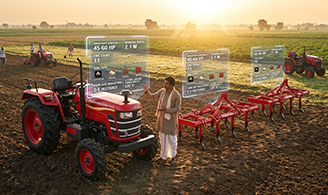
The first and most important consideration is tractor horsepower.
Every cultivator is designed to operate within a specific horsepower range. Choosing a cultivator that exceeds your tractor's capacity can result in poor performance, increased fuel usage, and unnecessary strain on the engine.
Before purchasing a Mahindra cultivator, verify:
- Your tractor's horsepower rating
- Recommended power requirement of the cultivator
- Three-point linkage compatibility
A properly matched tractor-cultivator combination ensures efficient operation and longer equipment life.
2. Evaluate your farm size
Farm size plays a significant role in selecting the ideal cultivator.
For smaller farms, a compact cultivator with fewer tines may be sufficient. Larger farms typically benefit from cultivators with wider working widths and more tines, enabling faster coverage and higher productivity.
When selecting a cultivator for tractor, choose a model that can efficiently cover your land area without overburdening the tractor.
3. Consider soil type
Different soil conditions require different cultivation approaches.
1. Sandy soil :
Sandy soils generally require lighter cultivation and moderate soil disturbance.
2. Loamy soil :
Loamy soils are easier to work with and can accommodate a wide range of cultivator configurations.
3. Clay soil :
Heavy clay soils often require stronger cultivators with robust tines capable of penetrating compacted layers.
Understanding your field's soil characteristics is essential when deciding how to choose cultivator for tractor operations effectively.
Key cultivator features to look for
The performance of a cultivator largely depends on its design and construction. Here are some important cultivator features to evaluate before making a purchase.
1. Durable tines
Tines are the primary working components of a cultivator. They penetrate the soil, break clods, and uproot weeds.
High-quality tines offer:
- Better soil penetration
- Longer service life
- Reduced replacement costs
- Improved cultivation efficiency
Mahindra cultivators are equipped with durable tines designed to perform under demanding field conditions.
2. Strong frame construction
A cultivator must withstand significant pressure during operation. A strong frame ensures stability, durability, and consistent working depth.
One of the most important cultivator features is a rigid frame structure that can handle varying soil conditions without bending or damage.
3. Adjustable working depth
Different crops and soil conditions require different cultivation depths.
A cultivator with adjustable depth settings allows farmers to:
- Prepare seedbeds effectively
- Break hard soil layers
- Improve root development
- Adapt to various crops
This flexibility makes adjustable depth one of the most valuable features in modern cultivators.
4. Efficient working width
The working width determines how much land can be cultivated in a single pass.
A wider working width:
- Improves field productivity
- Reduces operation time
- Saves fuel
However, wider cultivators require more tractor power. The ideal width should balance productivity with your tractor's capabilities.
5. Corrosion resistance
Agricultural equipment is exposed to moisture, fertilizers, and varying weather conditions.
Cultivators with corrosion-resistant coatings offer:
- Longer equipment life
- Lower maintenance costs
- Better long-term performance
This is an often-overlooked but highly beneficial aspect when evaluating cultivator features.
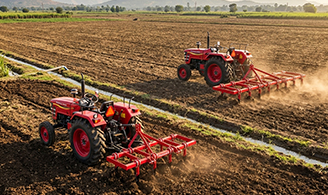
Number of Tines: Why It matters
The number of tines affects cultivation efficiency and field coverage.
Generally:
- Fewer tines are suitable for smaller farms and lighter soils.
- More tines increase field coverage and cultivation effectiveness.
Farmers should choose a tine configuration that aligns with their land size, soil conditions, and tractor horsepower.
A properly configured Mahindra cultivator can improve soil preparation while maintaining fuel efficiency.
Choosing the best cultivator for tractor India
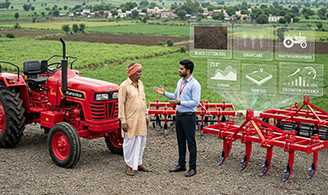
Finding the best cultivator for tractor India requires evaluating your unique farming requirements rather than simply choosing the largest or most advanced model.
Consider the following:
1. Cropping pattern
Different crops may require different tillage intensities. Farmers growing multiple crops should prioritize versatility.
2. Frequency of use
For intensive year-round cultivation, durability becomes a critical factor.
3. Terrain conditions
Fields with uneven terrain may require stronger cultivator designs and durable components.
4. Budget considerations
While cost is important, long-term value should be the primary focus. Investing in a durable and efficient cultivator often results in lower operating expenses over time.
The best cultivator for tractor India is one that delivers consistent performance, suits your tractor specifications, and supports your farming objectives.
Also Read: Guide to Tractor Cultivator: Types, Benefits and How to Attach
Benefits of using the right Mahindra cultivator
Selecting the right Mahindra cultivator offers numerous advantages.
1. Improved soil structure
Effective cultivation loosens compacted soil and enhances root development.
2. Better weed control
Cultivators help remove weeds mechanically, reducing competition for nutrients and moisture.
3. Increased crop productivity
Proper soil preparation creates favorable growing conditions that support healthier crops and higher yields.
4. Reduced labor costs
Mechanized cultivation significantly reduces manual labor requirements and saves time.
5. Enhanced fuel efficiency
A properly matched cultivator and tractor combination minimizes fuel consumption and operational costs.
These benefits demonstrate why understanding how to choose cultivator for tractor applications is an important decision for every farmer.
Conclusion
Choosing the right Mahindra cultivator requires careful evaluation of tractor compatibility, soil conditions, farm size, working width, tine configuration, and essential cultivator features. A well-selected cultivator improves soil preparation, boosts productivity, reduces operating costs, and enhances overall farming efficiency.
Whether you're cultivating a small farm or managing large agricultural acreage, investing in the right cultivator for tractor operations can deliver long-term benefits. By understanding your specific requirements and comparing available options, you can confidently select the best cultivator for tractor India and ensure optimal performance season after season.
When it comes to reliable and durable agricultural implements, Mahindra cultivators continue to be a trusted choice for farmers seeking efficiency, productivity, and value in modern farming.
Recent Articles
Tag Cloud
Connect With Us


Jul 29, 2026
Sep 1, 2026

You May Also Like
- Read More
 Which is the Best Tractor for Farming in India?
Farming tractors are the essential companions of farmers; these robust machines help them work...
- Read More
 Choosing the Right Tractor for Groundnut Farming
Groundnut, or peanut, is grown in five states of India, namely Andhra Pradesh, Gujarat, Tamil Nadu, Karnataka, Rajasthan and Maharashtra.
- Read More
 Mahindra’s Tractor’s Potato Farming Guide
Paddy farming is one of India’s most prevalent farming methods that use small, flooded fields to cultivate rice.
- Read More
 Why Buy a Mahindra 275 DI XP Plus Tractor: Mileage, Features & Specs
The Indian Tractor market is unique—farmers are looking for an all-rounder tractor that satisfies all their needs while being affordable and powerful. One such tractor that meets the demands of Indian farmers is the Mahindra 275


 Not happy
 Could be better
 It's okay
 Good
Good Excellent