


What Is GPS Technology in Farming and How Does It Help Farmers?
Jul 29, 2026 | 5 Mins Read


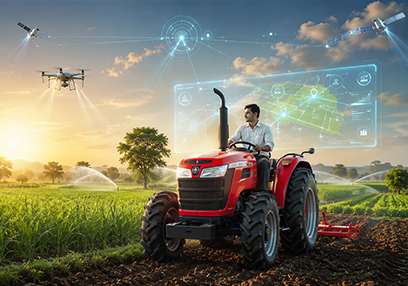
Table of Content
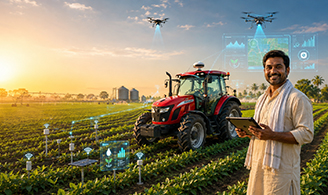
Agriculture has always been the backbone of human civilization, but today’s farming landscape is undergoing a remarkable transformation. With the rise of digital innovations, farmers are adopting advanced tools to improve productivity, reduce waste, and make better decisions. Among these innovations, GPS technology in farming has emerged as one of the most influential developments, driving the growth of smart agriculture and helping farmers meet the challenges of modern food production.
From precision planting and automated machinery to real-time crop monitoring, GPS technology is redefining how farms operate. As a result, farmers can achieve higher yields, lower operational costs, and more sustainable farming practices.
Understanding GPS technology in farming
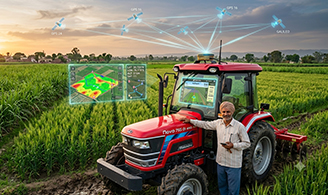
The Global Positioning System (GPS) is a satellite-based navigation system that provides accurate location and timing information anywhere on Earth. While GPS was originally developed for military purposes, it has become an essential component of modern agriculture.
In farming, GPS receivers are integrated into tractors, harvesters, drones, sprayers, and other agricultural equipment. When combined with sensors, Geographic Information Systems (GIS), and data analytics platforms, GPS enables precision farming—a data-driven approach that allows farmers to monitor and manage variations across their fields more effectively.
The integration of GPS technology in farming is a key pillar of smart agriculture, helping farmers optimize resources and improve overall farm performance.
The Role of GPS in smart agriculture
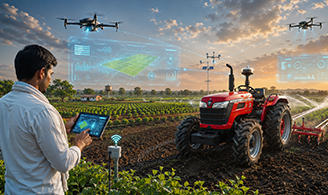
Smart agriculture focuses on using advanced technologies to make farming more efficient, productive, and sustainable. GPS plays a central role in this transformation by providing accurate location data that supports informed decision-making.
With GPS-enabled systems, farmers can track equipment movements, monitor crop conditions, and collect valuable field data. This information helps them make precise adjustments to planting, irrigation, fertilization, and harvesting operations.
As a result, GPS has become one of the most important farm technology solutions driving agricultural modernization worldwide.
Key applications of GPS technology in modern farming
1. Accurate field mapping
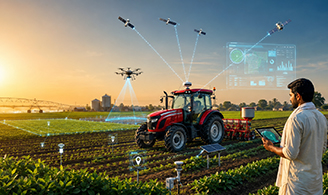
One of the most valuable applications of GPS is field mapping. Farmers can create detailed digital maps that identify field boundaries, soil types, slopes, and crop performance zones.
These maps provide insights into the unique characteristics of different sections of farmland, enabling farmers to tailor their management strategies accordingly. Accurate field mapping also
improves planning and helps optimize the use of
resources across the farm.
2. Precision planting
Precision planting is one of the most effective modern farming methods enabled by GPS technology. GPS-guided planting equipment can place seeds at the correct depth and spacing with exceptional accuracy.
Auto-guided tractors follow predetermined routes, reducing overlaps and missed areas during planting. This ensures uniform crop establishment, promotes healthy growth, and minimizes seed wastage.
The result is improved crop performance and higher yields, making precision planting a valuable investment for modern farms.
3. Variable Rate Technology (VRT)
Variable Rate Technology uses GPS data to apply fertilizers, pesticides, and irrigation at different rates across a field based on specific crop requirements.
Rather than applying inputs uniformly, farmers can target areas that need more or fewer resources. This approach improves efficiency, reduces waste, and lowers environmental impact.
VRT represents a major advancement in smart agriculture because it allows farmers to maximize productivity while conserving valuable resources.
4. Auto-steering and autonomous machinery
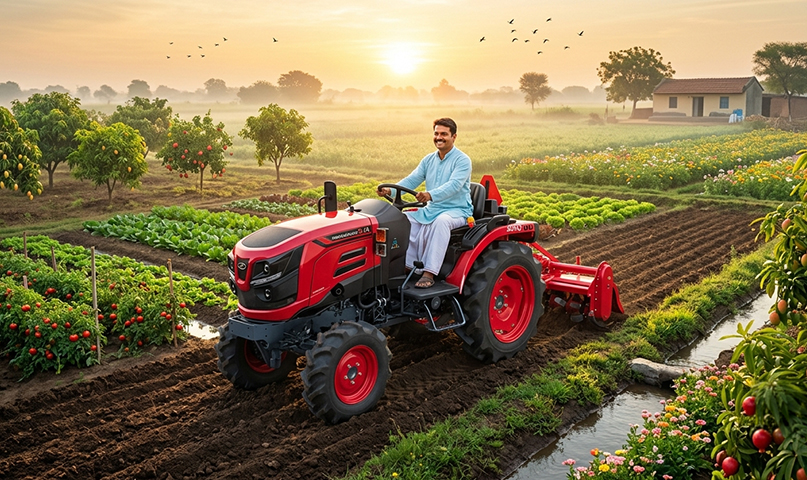
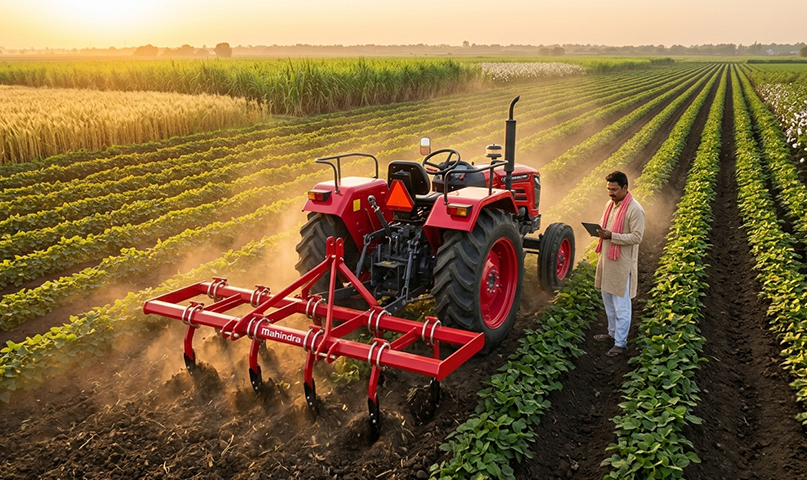
GPS has paved the way for automated and autonomous farm equipment. Auto-steering systems enable tractors and harvesters to navigate fields with remarkable precision.
By minimizing overlaps and skips during planting, spraying, tillage, and harvesting operations, GPS-guided machinery improves efficiency and reduces fuel consumption.
In large-scale farming operations, autonomous equipment can significantly reduce labor requirements and increase operational productivity.
5. Yield monitoring and yield mapping
Modern harvesters equipped with GPS-linked sensors can collect real-time data on crop yield and moisture levels during harvesting.
This information is used to create yield maps that show which areas of a field are performing well and which areas may require additional attention. Farmers can use these insights to make data-driven decisions for future planting seasons.
Yield mapping is a powerful example of how GPS technology in farming transforms raw data into actionable knowledge.
6. Drone-based crop monitoring
Agricultural drones equipped with GPS systems have become valuable tools for crop scouting and field monitoring.
These drones capture high-resolution images and vegetation data, allowing farmers to identify crop stress, pest infestations, nutrient deficiencies, and irrigation problems early.
GPS ensures precise flight paths and consistent data collection, making drone technology an increasingly important component of modern farm technology solutions.
Benefits of GPS technology in farming
1. Increased efficiency
GPS significantly improves operational efficiency by reducing overlap in field activities. Automated guidance systems help farmers save time, fuel, and labor while maintaining consistent performance.
Because GPS-guided machinery can operate accurately even in low-visibility conditions, farmers can extend working hours and complete tasks more efficiently.
2. Better resource management
One of the greatest advantages of smart agriculture is the ability to optimize resource use. GPS enables precise application of water, fertilizers, and crop protection products.
By applying inputs only where they are needed, farmers reduce costs and minimize environmental impact while maintaining crop health.
3. Higher crop yields
Accurate planting, targeted input application, and real-time monitoring all contribute to improved crop productivity.
GPS-based systems help farmers create optimal growing conditions, resulting in healthier crops and higher yields.
4. Cost savings
Although GPS systems require an initial investment, they often deliver substantial long-term savings.
Reduced fuel consumption, lower input costs, improved labor efficiency, and decreased equipment wear all contribute to a stronger return on investment.
5. Environmental sustainability
Sustainability is becoming a major priority in agriculture. GPS-supported precision farming reduces chemical runoff, improves water management, and promotes responsible resource use.
These benefits help farmers achieve both economic and environmental goals while supporting long-term agricultural sustainability.
Challenges of GPS adoption in agriculture
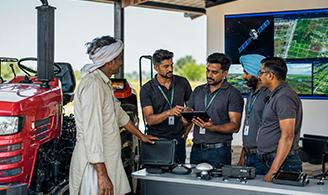
Despite its many advantages, GPS adoption is not without challenges.
The high cost of advanced GPS equipment and compatible machinery can be a barrier, particularly for small-scale farmers. In addition, effective use of GPS systems requires technical knowledge and training.
Signal interruptions caused by weather conditions, terrain, or physical obstacles may also affect performance. Furthermore, the large volumes of data generated by GPS-enabled systems require effective management and analysis.
However, ongoing technological advancements are gradually addressing these challenges and making GPS solutions more accessible.
Also Read: AI in Indian Agriculture: Transforming Farming with Smart Technology
The future of GPS technology in farming
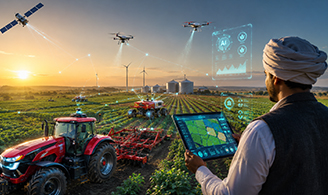
The future of GPS technology in farming is closely tied to the continued evolution of smart agriculture. Emerging technologies such as artificial intelligence (AI), machine learning, robotics, and the Internet of Things (IoT) are expected to work alongside GPS to create even more advanced farming systems.
AI-powered platforms will analyze GPS-generated data to provide predictive insights and real-time recommendations. Autonomous machinery will become more sophisticated, reducing the need for manual intervention. Meanwhile, the integration of satellite imagery, IoT sensors, and GPS will enable continuous monitoring of crops, livestock, and environmental conditions.
As costs decrease and accessibility improves, GPS-driven solutions will become increasingly common across farms of all sizes.
Mahindra DiGiSense
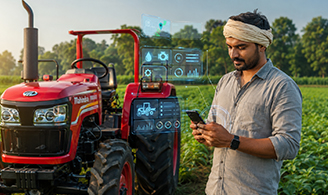
Mahindra has always been pre-emptive in the field of technology and innovation. Mahindra DiGiSense is an advanced connected vehicle technology platform designed to help farmers and tractor owners monitor and manage their equipment more efficiently. Integrated with Mahindra tractors, DiGiSense provides real-time insights into vehicle performance, fuel usage, location tracking, service reminders, and operational data through a user-friendly mobile application. By offering smart monitoring and remote access to critical information, Mahindra DiGiSense helps improve productivity, reduce downtime, enhance security, and support informed decision-making, making it a valuable digital solution for modern agricultural operations.
DiGiSense on the mPragati app is available on various Mahindra tractor brands like Novo, OJA, and Yuvo Tech+. Customers can get the benefits of connected intelligence through the mPragati app.
Conclusion
GPS technology has revolutionized agriculture by transforming traditional farming into a highly efficient, data-driven industry. Through applications such as field mapping, precision planting, variable rate technology, automated machinery, yield monitoring, and drone-based crop scouting, GPS is helping farmers improve productivity and sustainability.
As one of the most important innovations in farm technology, GPS continues to drive the growth of smart agriculture and support the adoption of advanced modern farming methods. While challenges remain, ongoing advancements promise a future where GPS-enabled farming becomes more accessible, profitable, and environmentally responsible than ever before.
Recent Articles
Tag Cloud
Connect With Us

Jul 29, 2026
Jul 29, 2026

You May Also Like
- Read More
 Which is the Best Tractor for Farming in India?
Farming tractors are the essential companions of farmers; these robust machines help them work...
- Read More
 Choosing the Right Tractor for Groundnut Farming
Groundnut, or peanut, is grown in five states of India, namely Andhra Pradesh, Gujarat, Tamil Nadu, Karnataka, Rajasthan and Maharashtra.
- Read More
 Mahindra’s Tractor’s Potato Farming Guide
Paddy farming is one of India’s most prevalent farming methods that use small, flooded fields to cultivate rice.
- Read More
 Why Buy a Mahindra 275 DI XP Plus Tractor: Mileage, Features & Specs
The Indian Tractor market is unique—farmers are looking for an all-rounder tractor that satisfies all their needs while being affordable and powerful. One such tractor that meets the demands of Indian farmers is the Mahindra 275


 Not happy
 Could be better
 It's okay
 Good
Good Excellent