


Why Tractor Mileage Dropping? Common Causes & How to Improve It
Sep 1, 2026 | 5 Mins Read


Table of Content
- Why Tractor Mileage Matters
- Common Causes of Poor Tractor Mileage
- Importance of Regular Tractor Service
- Tips to Improve Tractor Fuel Efficiency
- How Weather Affects Tractor Mileage
- Choosing a Fuel-Efficient Farming Tractor
- Signs Your Tractor Needs Immediate Attention
- Long-Term Benefits of Maintaining Good Tractor Mileage
- Conclusion
A tractor is one of the most valuable investments on any farm, and maintaining good tractor mileage is essential for reducing operating costs and maximizing profitability. Whether you're preparing fields, sowing crops, hauling produce, or operating PTO-driven implements, poor tractor fuel efficiency can significantly increase farming expenses.
Many farmers notice that their farming tractor starts consuming more fuel over time without understanding the reason. Fortunately, declining mileage is often caused by common maintenance or operating issues that can be identified and corrected.
In this guide, we'll discuss the most common causes of poor tractor mileage, practical solutions to improve tractor fuel efficiency, and the importance of regular tractor service.
Why Tractor Mileage Matters
Fuel is one of the largest recurring expenses in farming. Even a small drop in tractor mileage can result in significantly higher diesel costs over an entire cropping season.
Good fuel efficiency offers several benefits:
- Lower operating costs
- Higher farm profitability
- Reduced engine wear
- Improved productivity
- Lower carbon emissions
- Better long-term tractor performance
Regular maintenance and proper operating practices can help maintain optimum mileage throughout the tractor's lifespan.
Common Causes of Poor Tractor Mileage
1. Dirty Air Filter
The engine requires a steady supply of clean air for efficient combustion. A clogged or dirty air filter restricts airflow, forcing the engine to burn more fuel to generate the required power.
Symptoms include:
- Increased fuel consumption
- Reduced engine power
- Black exhaust smoke
- Sluggish performance
Solution: Inspect the air filter regularly, especially during dusty field operations. Clean or replace it according to the manufacturer's maintenance schedule.
2. Clogged Fuel Filter
A blocked fuel filter restricts diesel flow to the engine, causing inefficient combustion and poor engine performance.
Signs include:
- Hard starting
- Power loss
- Uneven engine operation
- Reduced mileage
Solution: Replace fuel filters during scheduled tractor service intervals to ensure smooth fuel delivery.
3. Incorrect Tyre Pressure
Tyres play a surprisingly important role in tractor fuel efficiency.
Under-inflated tyres increase rolling resistance, while over-inflated tyres reduce traction.
Both conditions force the engine to work harder, increasing fuel consumption.
Solution: Check tyre pressure regularly and maintain the manufacturer's recommended inflation levels.
4. Overloading the Tractor
Using implements that exceed the tractor's recommended capacity places unnecessary strain on the engine.
Common examples include:
- Oversized trailers
- Heavy rotavators
- Large cultivators
- Excessive haulage loads
Solution: Match implements to the tractor's horsepower and hydraulic capacity.
5. Driving at High Engine RPM
Many operators assume higher engine speed means better productivity.
In reality, running continuously at high RPM consumes more fuel without proportionately increasing work output.
Solution: Operate within the recommended engine speed range and choose the appropriate gear for each task.
6. Poor Engine Maintenance
Ignoring scheduled tractor service can lead to:
- Worn injectors
- Dirty fuel systems
- Low compression
- Engine deposits
- Reduced combustion efficiency
These issues gradually reduce mileage.
Solution: Follow the manufacturer's service schedule and replace worn components promptly.
7. Incorrect Engine Oil
Using engine oil with the wrong viscosity increases internal friction.
This forces the engine to work harder and reduces fuel efficiency.
Solution: Always use the engine oil grade recommended by the tractor manufacturer.
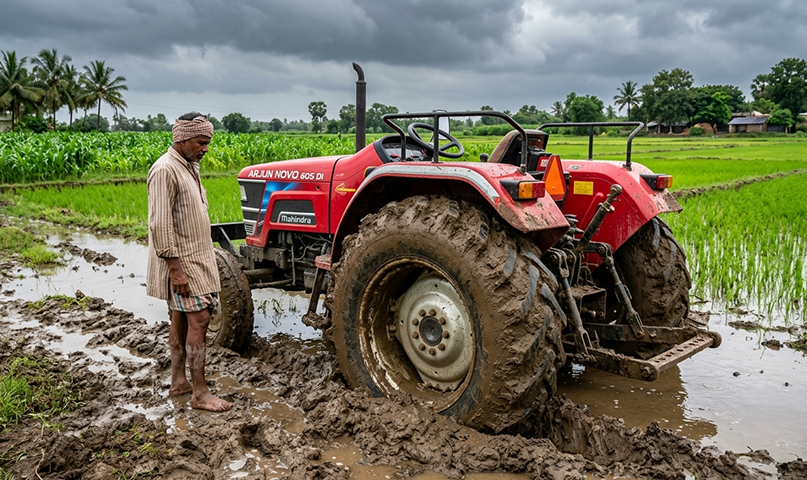
8. Wheel Slippage
Excessive wheel slip is common during wet conditions or heavy draft operations.
Instead of moving forward efficiently, the tractor wastes fuel spinning its wheels.
Solution: Maintain proper ballast, tyre pressure, and select appropriate tyres for field conditions.
9. Dirty Fuel Injectors
Fuel injectors atomize diesel for efficient combustion.
Over time, deposits may develop, leading to poor fuel spray patterns.
This causes:
- Higher fuel consumption
- Rough engine operation
- Reduced power
Solution: Use quality diesel and inspect injectors during routine servicing.
10. Poor Driving Habits
Operator behaviour has a direct impact on tractor mileage.
Common mistakes include:
- Sudden acceleration
- Excessive idling
- Frequent gear changes
- Unnecessary engine revving
Solution: Adopt smooth driving techniques and minimize unnecessary engine operation.
Importance of Regular Tractor Service
Routine tractor service is the most effective way to maintain excellent fuel efficiency.
A scheduled service typically includes:
- Engine oil replacement
- Oil filter replacement
- Fuel filter inspection
- Air filter cleaning
- Coolant level check
- Hydraulic oil inspection
- Transmission oil check
- Brake inspection
- Steering inspection
- Tyre pressure adjustment
- Battery inspection
Timely servicing prevents minor issues from becoming expensive repairs.
Tips to Improve Tractor Fuel Efficiency
Here are practical ways to improve tractor fuel efficiency throughout the year.
1. Plan Field Operations
Combine multiple farming tasks into fewer field passes whenever possible.
This reduces fuel consumption while saving valuable time.
2. Select the Right Gear
Operating in the correct gear allows the engine to work efficiently without unnecessary strain.
3. Avoid Excessive Idling
Long periods of idling consume fuel without performing useful work.
Switch off the engine whenever extended stops are expected.
4. Keep Implements Well Maintained
Sharp ploughs, properly adjusted cultivators, and well-maintained rotavators reduce draft load and improve efficiency.
5. Use Genuine Spare Parts
Quality replacement parts ensure the engine continues operating at peak efficiency.
How Weather Affects Tractor Mileage
Environmental conditions also influence fuel consumption.
During:
- Wet fields – increased wheel slip
- Summer – higher cooling demands
- Heavy soils – increased draft load
- Hilly terrain – greater engine effort
Fuel consumption naturally rises.
Planning operations according to field conditions can help reduce unnecessary fuel use.
Choosing a Fuel-Efficient Farming Tractor
When purchasing a new farming tractor, consider:
- Engine efficiency
- PTO performance
- Hydraulic capacity
- Transmission options
- Tractor weight
- Implement compatibility
- Maintenance requirements
- Dealer service network
A fuel-efficient tractor not only reduces operating costs but also delivers higher productivity over the long term.
Signs Your Tractor Needs Immediate Attention
Don't ignore these warning signs:
- Sudden drop in mileage
- Black or excessive exhaust smoke
- Reduced pulling power
- Engine overheating
- Rough idling
- Hard starting
- Unusual engine noises
- Higher diesel consumption
Addressing these issues early prevents costly repairs and minimizes downtime during critical farming seasons.
Long-Term Benefits of Maintaining Good Tractor Mileage
Consistently maintaining good tractor mileage provides several advantages:
- Lower diesel expenses
- Increased farm profitability
- Reduced maintenance costs
- Longer engine life
- Improved field productivity
- Better resale value
- Lower environmental impact
A well-maintained tractor remains a reliable partner for years of agricultural operations.
Conclusion
A decline in tractor mileage is usually a sign that your tractor needs attention rather than replacement. Issues such as clogged filters, incorrect tyre pressure, poor driving habits, overdue tractor service, and improper implement selection can all reduce tractor fuel efficiency.
By following a preventive maintenance schedule, using quality fuel and lubricants, maintaining proper tyre pressure, and operating your farming tractor correctly, you can restore fuel efficiency, reduce operating costs, and improve overall farm productivity.
Remember, every litre of diesel saved contributes directly to your farm's profitability. Regular servicing, smart operating practices, and timely maintenance will ensure your tractor delivers reliable performance and excellent mileage throughout every farming season.
Recent Articles
Tag Cloud
Connect With Us

Sep 1, 2026
Sep 1, 2026

You May Also Like
- Read More
 Which is the Best Tractor for Farming in India?
Farming tractors are the essential companions of farmers; these robust machines help them work...
- Read More
 Choosing the Right Tractor for Groundnut Farming
Groundnut, or peanut, is grown in five states of India, namely Andhra Pradesh, Gujarat, Tamil Nadu, Karnataka, Rajasthan and Maharashtra.
- Read More
 Mahindra’s Tractor’s Potato Farming Guide
Paddy farming is one of India’s most prevalent farming methods that use small, flooded fields to cultivate rice.
- Read More
 Why Buy a Mahindra 275 DI XP Plus Tractor: Mileage, Features & Specs
The Indian Tractor market is unique—farmers are looking for an all-rounder tractor that satisfies all their needs while being affordable and powerful. One such tractor that meets the demands of Indian farmers is the Mahindra 275


 Not happy
 Could be better
 It's okay
 Good
Good Excellent