


How to Recover a Tractor Stuck in Mud | Tips for Wet Fields
Sep 1, 2026 | 5 Mins Read


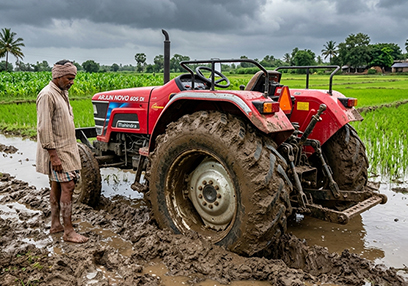
Table of Content
- Why Tractors Get Stuck in Mud
- Why You Shouldn't Force the Tractor Out
- Essential Tractor Safety Tips
- Effective Ways to Recover a Tractor Stuck in Mud
- How 4WD Tractors Help in Muddy Conditions
- Tips to Prevent Your Tractor from Getting Stuck
- Preparing Your Tractor for Rainy Season Farming
- Common Farming Challenges During the Monsoon
- Choosing the Right Tractor for Wet Field Operations
- Best Practices for Safe Tractor Recovery
- Conclusion
The monsoon season is a blessing for Indian agriculture, bringing the rainfall needed for healthy crop growth. However, it also creates significant farming challenges, especially when fields become waterlogged. One of the most common problems farmers face during rainy season farming is getting a tractor stuck in mud. Besides causing delays, it can increase fuel consumption, damage tyres, strain the transmission, and even pose safety risks to the operator.
Whether you're cultivating paddy, sugarcane, maize, or other Kharif crops, understanding how to prevent and recover from muddy situations is essential. This guide shares practical tips on tractor safety, safe recovery methods, and best practices for working efficiently in waterlogged fields.
Why Tractors Get Stuck in Mud
A tractor relies on tyre traction to move efficiently. When fields become saturated with water, the soil loses its strength, making it difficult for tyres to grip the surface. As the wheels spin, they dig deeper into the mud, reducing traction further and increasing the chances of the tractor becoming immobilized.
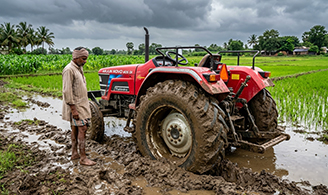
Common reasons include:
- Excessive rainfall
- Poor field drainage
- Soft clay soils
- Overloaded trailers or implements
- Incorrect tyre pressure
- Two-wheel drive operating in difficult terrain
- Driving through unknown wet patches
Recognizing these conditions early can help prevent unnecessary delays and costly repairs.
Why You Shouldn't Force the Tractor Out
One of the biggest mistakes farmers make when a tractor gets stuck in mud is repeatedly accelerating. Although it may seem like the quickest solution, spinning the tyres usually makes the situation worse.
Excessive wheel spinning can:
- Dig the tyres deeper into the soil
- Damage the transmission and drivetrain
- Increase tyre wear
- Waste fuel
- Make recovery more difficult
Instead of applying more throttle, stop the tractor and assess the situation carefully before taking action.
Essential Tractor Safety Tips
Tractor safety should always be the top priority during recovery.
Before attempting to move the tractor:
- Stop spinning the wheels immediately.
- Engage the parking brake if necessary.
- Inspect the surrounding ground conditions.
- Keep bystanders away from the recovery area.
- Wear appropriate safety footwear.
- Never stand between two tractors during towing.
- Use only rated towing equipment and recovery points recommended by the manufacturer.
Safe recovery practices help prevent injuries and avoid further damage to the tractor.
Effective Ways to Recover a Tractor Stuck in Mud
1. Remove Excess Mud Around the Tyres
If possible, carefully remove mud from around the drive wheels using a shovel. Clearing the mud creates space for the tyres to regain traction and reduces resistance when attempting to move the tractor.
2. Improve Tyre Traction
Placing wooden planks, sturdy boards, gravel, stones, or traction mats beneath the tyres can provide additional grip. These materials help the tyres gain purchase and reduce excessive wheel slip.
Avoid using weak materials that may break under the tractor's weight.
3. Reverse Slowly
If the tractor became stuck while moving forward, gently try reversing along the same track. The soil behind the tractor is often firmer because it has already been compacted by the tyres.
Use low gears and avoid sudden acceleration.
4. Reduce the Load
If you're towing an implement or trailer, disconnect it if conditions allow. Reducing the overall load decreases resistance and improves the tractor's ability to regain traction.
After recovering the tractor, retrieve the implement separately when the ground conditions improve.
5. Use Another Tractor for Recovery
When self-recovery isn't possible, another tractor may be required.
During towing:
- Use approved tow straps or chains.
- Attach only to designated towing points.
- Avoid jerking the stuck tractor.
- Communicate clearly between both operators.
- Pull slowly and steadily.
Smooth, controlled pulling is safer and more effective than sudden force.
How 4WD Tractors Help in Muddy Conditions
Four-wheel-drive tractors offer significant advantages during rainy season farming.
Benefits include:
- Better traction
- Reduced wheel slip
- Improved steering control
- Higher pulling power
- Better performance on wet soils
- Increased operator confidence
For farmers regularly working in waterlogged fields, investing in a 4WD tractor can improve productivity while reducing recovery incidents.
Tips to Prevent Your Tractor from Getting Stuck
Prevention is always better than recovery. Here are some practical ways to avoid getting stuck.
1. Check the Field Before Entering
Walk through unfamiliar or heavily flooded areas before driving the tractor. This helps identify deep mud, hidden ditches, or soft patches.
2. Choose the Right Route
Whenever possible, drive along higher ground or previously compacted tracks.
3. Maintain Proper Tyre Pressure
Correct tyre pressure improves flotation and distributes the tractor's weight more evenly, reducing soil penetration.
Always follow the manufacturer's recommendations.
4. Avoid Overloading
Heavy trailers increase ground pressure and make tractors sink faster.
Carry manageable loads, especially in wet field conditions.
5. Use Suitable Implements
Select implements appropriate for the soil conditions. Oversized equipment increases draft load and reduces mobility in muddy fields.
6. Monitor Weather Forecasts
Planning operations around expected rainfall can help avoid unnecessary field entry during periods of excessive moisture.
Preparing Your Tractor for Rainy Season Farming
Proper maintenance plays an important role in minimizing downtime during the monsoon.
Before the rainy season:
- Check tyre condition and tread depth.
- Inspect brakes.
- Service the transmission.
- Check hydraulic oil levels.
- Inspect steering components.
- Ensure lights and electrical systems are functioning.
- Lubricate moving parts.
- Clean air filters regularly.
A well-maintained tractor performs more reliably under challenging conditions.
Common Farming Challenges During the Monsoon
Besides muddy fields, farmers often encounter:
- Reduced field accessibility
- Delayed sowing or harvesting
- Soil erosion
- Increased pest and disease pressure
- Waterlogging
- Machinery maintenance issues
- Transportation delays
Using the right tractor, suitable implements, and proper field management techniques helps overcome these seasonal obstacles.
Choosing the Right Tractor for Wet Field Operations
If you frequently operate during the monsoon, consider these features:
- High ground clearance
- Powerful engine with high torque
- 4WD capability
- Strong hydraulics
- Oil-immersed brakes
- Power steering
- Durable tyres
- Reliable transmission
Modern tractors designed for Indian farming conditions provide better stability and traction, enabling farmers to work more efficiently even in challenging weather.
Best Practices for Safe Tractor Recovery
When recovering a tractor:
- Stay calm and avoid rushing.
- Never overload towing equipment.
- Keep all bystanders at a safe distance.
- Use gradual acceleration.
- Inspect the tractor for damage after recovery.
- Clean mud from tyres, brakes, and undercarriage before resuming work.
Taking a few extra minutes to recover the tractor safely can prevent expensive repairs and reduce downtime.
Conclusion
A tractor stuck in mud is one of the most common farming challenges during India's monsoon season, but it doesn't have to disrupt your entire operation. By following proper tractor safety practices, avoiding excessive wheel spin, using safe recovery techniques, and preparing your equipment for rainy season farming, you can minimize downtime and protect your investment.
Preventive measures such as maintaining correct tyre pressure, avoiding overloaded trailers, choosing safer routes, and using tractors suited for wet conditions can make a significant difference. With the right planning, regular maintenance, and safe operating practices, farmers can continue working efficiently even in waterlogged fields, ensuring timely field operations and a successful farming season.
Recent Articles
Tag Cloud
Connect With Us

Aug 31, 2026
Sep 1, 2026

You May Also Like
- Read More
 Which is the Best Tractor for Farming in India?
Farming tractors are the essential companions of farmers; these robust machines help them work...
- Read More
 Choosing the Right Tractor for Groundnut Farming
Groundnut, or peanut, is grown in five states of India, namely Andhra Pradesh, Gujarat, Tamil Nadu, Karnataka, Rajasthan and Maharashtra.
- Read More
 Mahindra’s Tractor’s Potato Farming Guide
Paddy farming is one of India’s most prevalent farming methods that use small, flooded fields to cultivate rice.
- Read More
 Why Buy a Mahindra 275 DI XP Plus Tractor: Mileage, Features & Specs
The Indian Tractor market is unique—farmers are looking for an all-rounder tractor that satisfies all their needs while being affordable and powerful. One such tractor that meets the demands of Indian farmers is the Mahindra 275


 Not happy
 Could be better
 It's okay
 Good
Good Excellent