


PM-KUSUM Yojana: A Scheme Empowering Farmers with Solar Energy
Nov 17, 2025 | 7 Mins Read


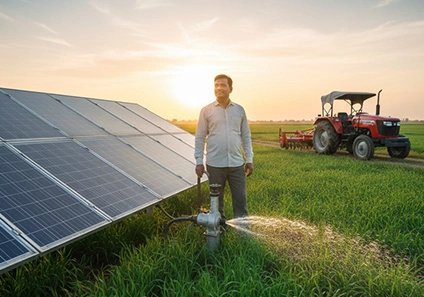
Agriculture in India is increasingly looking towards sustainability — not just in terms of crop choice, but also in terms of energy use. The PM-KUSUM Yojana is a landmark government initiative that ties farm productivity with renewable energy adoption. If you’re a farmer, or someone interested in agri-tech and green energy, this blog will walk you through what PM-KUSUM is, its major benefits for farmers, how the online registration works, and what you need to know about the solar pump dimension (the “KUSUM solar pump yojana” part).
What is PM-KUSUM?
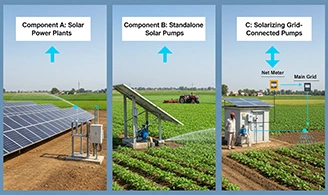
The PM-KUSUM scheme — formally named Pradhan Mantri Kisan Urja Suraksha evam Utthaan Mahabhiyan — was launched in March 2019 by the Ministry of New & Renewable Energy (MNRE) with the aim of providing energy security and extra income opportunities for farmers through solar power. In essence, the scheme is built around three major components:
- Component A: Setting up ground-mounted or stilt-mounted grid-connected solar or renewable energy power plants (500 kW to 2 MW) on barren or fallow lands of farmers, cooperatives, panchayats, etc.
- Component B: Installation of standalone solar agriculture pumps. These are especially for places either off-grid or where farmers want independent solar irrigation.
- Component C: Solarisation of existing grid-connected agriculture pumps (i.e., converting electric/diesel pumps into solar powered ones) so that the surplus electricity can be sold to DISCOMs etc. The scheme originally targeted an addition of 34,800 MW of solar capacity by March 2026 with central financial support in the realm of ₹ 34,422 crore.
Why Does the Scheme Matter for Farmers?
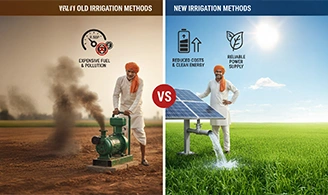
Here’s how the “kusum solar” dimension translates into real benefits for the farming community:
- Reduced energy/fuel costs: Solar irrigation pumps reduce dependency on grid electricity (which may be erratic) or diesel pumps (which are cost-intensive).
- Reliable power supply: Especially in remote or off-grid regions, solar pumps ensure irrigation is less impacted by power cuts or low voltage situations.
- Additional income avenue: Under Components A and C, farmers/producers can sell surplus solar power back to the grid, thereby earning something beyond just irrigation benefit.
- Environmental & sustainability gains: Use of solar means lower greenhouse gas emissions, less reliance on fossil fuels, and better alignment with climate goals.
- Subsidies and financial backing: The scheme offers subsidies (central + state) and sometimes loans to reduce the out-of-pocket cost for farmers. For example, farm-level standalone solar pumps may get substantial subsidy support.
Also Read: Krishi UDAN Scheme: Eligibility, Benefits & How to Apply
“Kusum Solar Pump Yojana” – What You Should Know
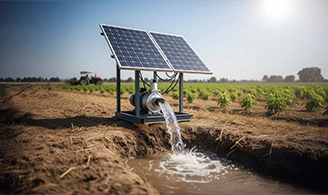
If you are looking at the solar pump side of things (Component B and part of C), here are the key facts:
- The scheme covers solar agriculture pumps typically up to certain capacities (often up to 7.5 HP for stand-alone solar pumps) for farmers. Rayzon Solar
- Subsidy support: Depending on the state and category of farmer (small/marginal, remote region etc), the subsidy percentages vary. Some sources note up to 60% or even more from central government, plus state support. Ornate Solar+1
- Implementation requires that the pump be installed by an empaneled vendor, with specified technical standards (for example, for universal solar pump controller etc).
- Farmers need to ensure that the land is agricultural land, that pump is for irrigation, and that the checks of KYC, site suitability etc are met.
How to Register Online: PM-KUSUM Yojana Online Registration

The “online registration” process helps streamline farmer access. General steps (may vary by state) include:
- Visit the official portal of PM-KUSUM (for example the MNRE landing page, or the state’s nodal agency site)
- Find the scheme-specific registration section for solar pumps or solar plants.
- Fill in farmer details: name, land details, pump capacity requirement, bank account, and other eligibility checks.
- Select the category of component (B or C) you are applying for (or A if relevant) and upload necessary documents (land ownership, irrigation setup, vendor certificate etc).
- After submission, your application goes through verification, vendor assignment, installation, and subsidy disbursement process.
- Once approved and installation done, you receive confirmation and the subsidy/benefit will be disbursed into your bank.
Farmers are advised to collaborate with the state Renewable Energy Development Agency (REDA) or nodal agency in their state for guidance and status tracking.
Documents Required

- Aadhar card
- A land document including KhasraKhatauni
- A bank account passbook
- A declaration form
- Mobile number
- Passport size photo
Also Read: 10 Key Government Schemes For Indian Agriculture Farmer
Key Points & Tips for Farmers
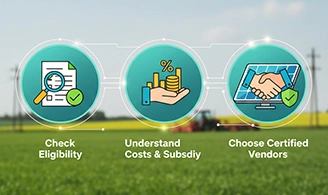
- Check eligibility: Small or marginal farmers are often given priority; ensure the land is eligible and irrigation purpose is defined.
- Understand costs & subsidy: While subsidy offset is large, you may still need to arrange part of the cost or financing.
- Choose certified vendors: Use vendors empanelled by the scheme, so the installation, quality and after-sales are compliant.
- Monitor usage: Efficient use of solar pumps means better returns; also selling surplus power requires attention to grid connectivity, net-metering or DISCOM agreements.
- State-level rules matter: Since states implement the scheme via their agencies, rules may vary; check how your state is implementing PM-KUSUM.
- Long-term benefits: Beyond subsidy, the switch to solar reduces recurring costs, improves reliability, and helps you earn beyond mere irrigation.
Explore more farming insights in our blogs section: Mahindra Tractors
Conclusion
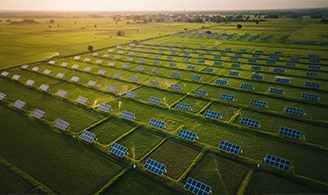
The PM-KUSUM Yojana is a prime example of a “farmer-scheme” that combines energy security, income enhancement, and sustainable agriculture. For farmers seeking to modernize their irrigation, lower input costs, or tap into new revenue streams like selling solar power, this scheme offers a tangible pathway. Whether you are exploring the “kusum solar pump yojana” route or looking at setting up a small solar power plant under the scheme, the opportunities are significant.
Recent Articles
Tag Cloud
Connect With Us


Nov 14, 2025

Nov 19, 2025

You May Also Like
- Read More
 Which is the Best Tractor for Farming in India?
Farming tractors are the essential companions of farmers; these robust machines help them work...
- Read More
 Choosing the Right Tractor for Groundnut Farming
Groundnut, or peanut, is grown in five states of India, namely Andhra Pradesh, Gujarat, Tamil Nadu, Karnataka, Rajasthan and Maharashtra.
- Read More
 Mahindra’s Tractor’s Potato Farming Guide
Paddy farming is one of India’s most prevalent farming methods that use small, flooded fields to cultivate rice.
- Read More
 Why Buy a Mahindra 275 DI XP Plus Tractor: Mileage, Features & Specs
The Indian Tractor market is unique—farmers are looking for an all-rounder tractor that satisfies all their needs while being affordable and powerful. One such tractor that meets the demands of Indian farmers is the Mahindra 275


 Not happy
 Could be better
 It's okay
 Good
Good Excellent