


Top 10 Maize Farming and Producing States in India
Dec 5, 2025 | 6 Mins Read


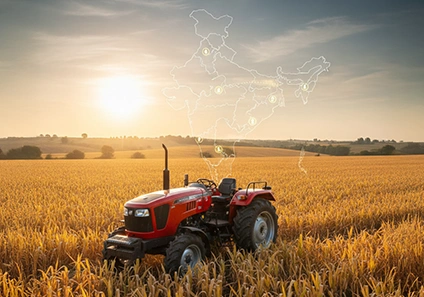
India’s agriculture landscape is vast and diverse—among its many crops, maize (also known as corn) plays a substantial role. Beyond being a staple food, maize is used for animal feed, industrial processing, and even exported. Understanding the geography of maize cultivation—which states lead, why they lead, and what the production trends are—is crucial for stakeholders from farmers to policymakers. In this blog, we will explore the top 10 maize producing states in India, examine what makes each one strong in maize production, and highlight critical insights for maize farming and maize production in India.
Why maize matters & national context
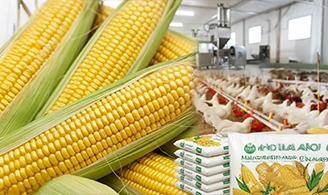
Maize is one of the more versatile crops in India, cultivated across many agro-climatic zones. It is used for:
- Human consumption (maize kernels, corn flour)
- Animal feed (especially poultry)
- Industrial uses (starch, sweeteners, ethanol)
- Export in some cases
India holds the seventh position globally in total maize production, and it ranks fourth globally in terms of area under maize cultivation.
In India:
- Around 83% of maize area is under the Kharif season (monsoon) while the remaining is Rabi or irrigated off-season.
- The production of maize has increased from about 1.73 million tonnes in 1950-51 to 27.8 million tonnes by 2018-19 in India.
Given such importance, which states dominate maize production? Let’s walk through the top 10 states.
The Top 10 Maize Producing States in India
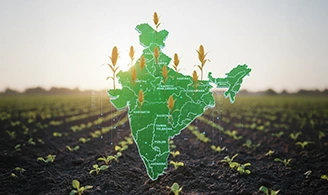
Below is a list of the states that contribute most significantly to maize production in India, followed by commentary on their strengths and the role they play.
1. Karnataka
- Contribution to national maize output: ~15% (in 2024).
- Key strengths: favourable mild climate, rich soils, strong uptake of high-yield hybrid maize varieties and advanced irrigation in parts of the state.
- Significance: Karnataka is often identified as the largest producer of maize in India – because it leads in output, area, and advanced agronomic practices.
2. Madhya Pradesh
- Contribution: also close to ~15% of India’s total maize production.
- Strengths: large landmass, diverse agro‐climates, infrastructure for maize cultivation, strong push for modern seeds and farming methods.
- Role: Because of its size and geographic position (central India), Madhya Pradesh is instrumental in India’s maize supply chain.
3. Maharashtra
- Contribution: ~12% of total maize production in India.
- Strengths: A large area under cultivation, favourable climate in many parts (especially for the Kharif maize crop), increasing mechanisation and improved seed use.
- Note: Despite being known for other crops (cotton, sugarcane, etc.), maize is gaining prominence in Maharashtra.
4. Rajasthan
- Contribution: ~9% of India’s maize production.
- Strengths/Challenges: While known for water-scarce conditions in many regions, maize cultivation has increased due to irrigation improvements, efficient water use (sprinkler, drip) and adoption of hybrids.
- Unique feature: This shows that even in less favoured zones, maize farming can succeed with the right practices.
5. Uttar Pradesh
- Contribution: ~8%.
- Strengths: Fertile alluvial soils (especially in the Gangetic plains), good infrastructure—though traditionally maize was not as dominant as wheat or rice, it's strengthening its position.
- Relevance: UP’s inclusion in the top maize states reflects the crop’s diversification in major agrarian states.
6. Bihar
- Contribution: ~7%.
- Strengths: Fertile plains, moderate climate, growing hybrid seed adoption. In some districts, maize is grown in the Rabi season as well.
- Significance: For eastern India, Bihar shows that maize production potential is growing.
7. Telangana
- Contribution: ~6%.
- Strengths: Good irrigation infrastructure (especially command areas), appropriate rainfall in parts, fertile soils, seed companies active in the region.
- Note: Telangana’s maize share indicates that southern/central India continue to dominate.
8. Gujarat
- Contribution: ~5%.
- Strengths: Coastal and inland soils, favourable conditions in pockets, improved water management and modern seed practices.
- Implication: Even states not traditionally maize-dominant are gaining share.
9. Tamil Nadu
- Contribution: ~3%.
- Strengths: Diverse climatic zones, irrigation support, potential for both Kharif and Rabi maize.
- Role: In southern India, Tamil Nadu shows maize is being integrated into cropping systems more widely.
10. Jammu & Kashmir
- Contribution: ~3%.
- Strengths: Unique high-altitude conditions, abundant water in many parts, maize cultivation in summer/off-season niches.
- Special mention: A somewhat surprising entry among top maize‐producing states, reflecting how maize cultivation has diversified in India.
Key Observations & Trends from the Data
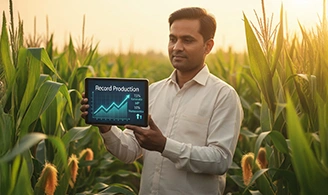
- The top three states (Karnataka, Madhya Pradesh, Maharashtra) together account for around 42% of India’s maize production.
- Many of the states are in southern or central India—this suggests climatic and soil advantages in those regions (for maize) are important.
- While some states contribute a relatively smaller share (3–5%), their presence in the top 10 signals the growing spread of maize cultivation into newer zones and cropping systems.
- There is considerable scope for yield improvement in many states: while area continues to expand, agronomic practices, seed quality and irrigation remain key variables.
- Seasonal spread: With the bulk of maize cultivation in Kharif (~83% area) and increasing Rabi cultivation in irrigated zones, maize production is stabilizing across seasons.
What This Means for Maize Farming in India
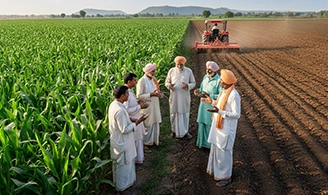
For farmers:
- If you are in one of the leading maize states, there is clear evidence of improved seed availability, better agronomy, and established market linkages. It’s a good context for maize farming.
- If you are in a state that isn’t among the top, the data shows potential – the right mix of hybrids, irrigation, mechanisation and cropping strategy could enhance maize output.
- Given maize’s increasing role in feed and industry, switching to or integrating maize into your rotation offers diversification benefits.
For policy and agriculture extension:
- States with dominant shares (like Karnataka, Madhya Pradesh) can serve as centres of best practice and technology dissemination for maize.
- States with lower share but good potential should be targeted for support: improved hybrids, subsidy for irrigation, training for maize cropping.
- Given maize uses (around 47% is for poultry feed in India), aligning maize production with feed/industrial demand makes sense for value addition.
For the industry (seed, processing, logistics):
- Seed companies will focus on the high-production states for high potential adoption of hybrid maize.
- Processing infrastructure (feed plants, starch units) will benefit from being located near high maize production zones to reduce logistics cost.
- Export or surplus management: States like Karnataka which produce large volumes might generate surplus for external markets.
Challenges & Areas to Focus On
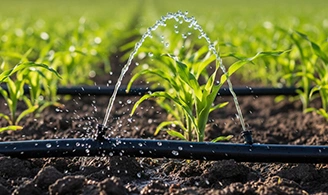
While the picture is positive, some challenges remain:
- Yield gaps: Even leading states may not match global averages; there’s scope for improving productivity rather than just expanding area.
- Water/irrigation constraints: Especially in states like Rajasthan or some parts of Maharashtra, water availability can limit maize productivity unless irrigation is efficient.
- Seed and input cost: Access to high-yield maize hybrids can be limited for small farmers or in certain regions, reducing potential.
- Market links & storage: Maize requires good post-harvest management; otherwise, losses reduce benefit to the farmer.
- Crop rotation & soil health: With maize expanding, ensuring soil health and avoiding monoculture is important for long-term sustainability.
Explore more farming insights in our blogs section: Mahindra Tractors
Summary & Final Thoughts
Maize production in India is heavily concentrated in a handful of states—particularly Karnataka, Madhya Pradesh and Maharashtra—but increasingly spread across other regions as well. The largest producer of maize in India is Karnataka, thanks to a favourable combination of climate, soils, seed innovation and policy support. The top 10 maize producing states together hold the key to India’s maize supply chain—from feed to industrial use. For farmers, adopting improved agronomy, hybrids and matching cropping seasons will be critical. For policymakers and industry alike, supporting infrastructure, seed delivery, irrigation and processing near these states is vital to boost maize production in India further.
If you’re involved in maize farming, whether as a grower, supplier or policymaker, focusing on these states—and learning from their strengths and challenges—can help you understand where Indian maize production is heading. With growing demand for maize in animal feed, industrial uses and markets, India’s maize sector is poised for growth—provided the right practices and investments are made.
Recent Articles
Tag Cloud
Connect With Us

Dec 3, 2025

Dec 8, 2025

You May Also Like
- Read More
 Which is the Best Tractor for Farming in India?
Farming tractors are the essential companions of farmers; these robust machines help them work...
- Read More
 Choosing the Right Tractor for Groundnut Farming
Groundnut, or peanut, is grown in five states of India, namely Andhra Pradesh, Gujarat, Tamil Nadu, Karnataka, Rajasthan and Maharashtra.
- Read More
 Mahindra’s Tractor’s Potato Farming Guide
Paddy farming is one of India’s most prevalent farming methods that use small, flooded fields to cultivate rice.
- Read More
 Why Buy a Mahindra 275 DI XP Plus Tractor: Mileage, Features & Specs
The Indian Tractor market is unique—farmers are looking for an all-rounder tractor that satisfies all their needs while being affordable and powerful. One such tractor that meets the demands of Indian farmers is the Mahindra 275


 Not happy
 Could be better
 It's okay
 Good
Good Excellent