


How to Maintain a Cotton Harvester: Tips & Common Issues
Sep 29, 2026 | 5 Mins Read


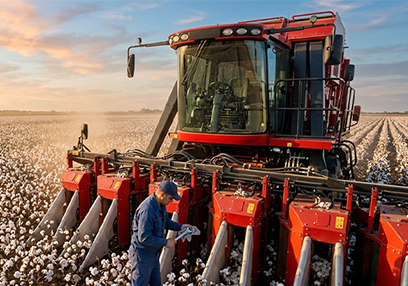
Table of Content
Cotton harvesting is one of the most important and time-sensitive stages of cotton farming. After months of crop management, irrigation, nutrient application, and pest control, farmers need to harvest cotton efficiently while protecting fibre quality and minimising field losses. Mechanised harvesting can significantly reduce dependence on manual labour, but cotton harvesting equipment must be properly maintained to deliver consistent performance.
A well-maintained cotton harvester or cotton harvesting machine can improve harvesting efficiency, reduce downtime, minimise crop losses, and extend equipment life. Regular inspection is especially important because cotton fields can expose machinery to dust, plant residues, moisture, and continuous mechanical stress.
This guide covers essential maintenance practices, common problems, and practical solutions to help farmers keep cotton harvesting equipment in good working condition.
Why Cotton Harvester Maintenance Matters
Cotton harvesting machines contain several moving and working components that operate continuously during field operations. Spindles, drums, belts, chains, bearings, hydraulic components, fans, cleaning systems, and other parts may experience considerable wear.
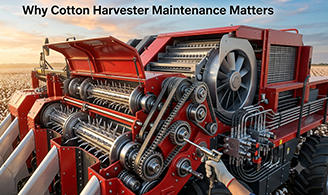
Neglecting maintenance can lead to:
- Reduced harvesting efficiency
- Higher cotton losses
- Poor-quality harvested cotton
- Increased fuel consumption
- Frequent breakdowns
- Higher repair costs
- Unplanned harvesting delays
Timely maintenance allows farmers to identify minor problems before they develop into expensive failures. This is particularly important during the cotton harvesting season, when equipment downtime can affect the entire farm operation.
1. Inspect the Machine Before Every Operation
A pre-operation inspection should become a standard practice. Before taking the cotton harvester into the field, walk around the machine and look for loose, damaged, or worn components.
Check the harvesting units, belts, chains, bearings, guards, tyres, hydraulic hoses, electrical connections, and other critical components.
Also remove accumulated cotton, leaves, stems, and dust from areas where residues can interfere with moving parts.
A few minutes of inspection before starting work can help prevent unnecessary downtime during harvesting.
2. Keep Harvesting Components Clean
Cotton residue and field debris can accumulate rapidly during harvesting. If they are not removed regularly, they can restrict airflow, interfere with harvesting components, or contribute to overheating.
Clean the machine after daily operations, paying particular attention to:
- Harvesting units
- Cotton collection areas
- Fans and air passages
- Screens and cleaning systems
- Engine compartment
- Belts and pulleys
- Radiator and cooling system
Compressed air can be useful for removing dry debris from suitable areas, but operators should follow the machine manufacturer's cleaning recommendations.
3. Check Spindles and Picking Components
In spindle-type cotton pickers, the harvesting performance depends heavily on the condition and adjustment of the picking components. Worn, damaged, or incorrectly adjusted components can result in missed cotton or excessive plant material entering the machine.
Inspect picking components regularly for wear and damage. Replace components according to the manufacturer's service recommendations.
Farmers should also monitor harvesting quality. If the machine is leaving excessive cotton on plants, it may indicate incorrect settings, worn components, unsuitable operating speed, or crop conditions that require adjustment.
Also Read: Best tractor implements for cotton cultivation and harvesting
4. Inspect Belts, Chains and Bearings
Belts and chains transmit mechanical power throughout many harvesting systems. Continuous operation can cause stretching, wear, or damage.
Check belts for:
- Cracks
- Fraying
- Excessive looseness
- Abnormal wear
Chains should be inspected for proper tension and lubrication where applicable.
Bearings should also be checked for unusual noise, excessive heat, vibration, or play. A failing bearing can cause secondary damage if it is not addressed promptly.
5. Maintain Hydraulic Systems
Many modern agricultural machines rely on hydraulic systems for lifting, steering, adjustment, and other functions. Hydraulic maintenance should therefore be part of routine servicing.
Inspect hydraulic hoses and connections for leaks, cracks, abrasion, or other damage. Check hydraulic fluid levels according to the manufacturer's recommendations.
Never attempt to locate a high-pressure hydraulic leak using your hands. Hydraulic fluid escaping under pressure can cause serious injury.
Common Cotton Harvester Problems and Solutions
1. Excessive Cotton Loss
One of the most important performance issues in cotton farming is cotton remaining on plants after harvesting.
Several factors can contribute to excessive losses, including:
- Incorrect machine settings
- Worn harvesting components
- Excessive operating speed
- Improper crop conditions
- Incorrect harvesting timing
- Poor machine adjustment
The solution is to identify the source rather than simply increasing machine speed. Inspect the harvesting units, check machine settings, and conduct a small test area before continuing full-scale harvesting.
2. Machine Blockages
Cotton stalks, leaves, and other crop residues can sometimes accumulate and block machine passages.
If a blockage occurs, stop the machine completely before attempting to clear it. Switch off the engine and follow the manufacturer's safety procedures.
Never attempt to remove material from moving harvesting components.
Once the machine is safely shut down, remove the blockage and inspect the affected area for damage. Frequent blockages may indicate incorrect machine settings, excessive crop residue, unsuitable operating conditions, or a need for cleaning and adjustment.
3. Overheating
Dust and crop residue can restrict airflow through cooling systems. A blocked radiator or cooling passage can contribute to overheating.
Regularly inspect and clean the radiator and cooling system. Check coolant levels and follow the manufacturer's recommendations for coolant replacement and servicing.
If the engine temperature rises beyond its normal operating range, stop the machine safely and investigate the cause instead of continuing operation.
4. Uneven Harvesting
Uneven harvesting can reduce productivity and increase field losses. It may be caused by improper machine height, incorrect harvesting-unit adjustment, worn components, uneven crop growth, or inappropriate operating speed.
Farmers should inspect the machine and make adjustments according to the manufacturer's operating guidelines. It is also important to maintain an appropriate forward speed based on crop conditions.
5. Excessive Fuel Consumption
A cotton harvesting machine operating under excessive load may consume more fuel than expected. Poor maintenance, under-inflated tyres, blocked filters, excessive engine load, or incorrect operating practices can all contribute.
Regular engine servicing, clean filters, appropriate tyre pressure, and correct machine settings can help maintain efficient operation.
Maintenance During the Harvesting Season
Maintenance should not be limited to the beginning and end of the season. During harvesting, operators should periodically stop and inspect the machine.
Check for:
- Loose fasteners
- Damaged belts
- Cotton accumulation
- Hydraulic leaks
- Abnormal vibration
- Unusual noises
- Overheating
- Worn harvesting components
Keeping a simple maintenance log can also help track servicing, component replacement, lubrication, and recurring problems.
End-of-Season Maintenance
Once the cotton harvesting season is complete, thorough maintenance can prepare the machine for its next use.
Clean the entire machine and remove cotton, dust, soil, and plant residues. Inspect all major components for wear or damage and replace parts that are approaching the end of their service life.
Lubricate components as specified by the manufacturer and inspect fluids, filters, belts, chains, bearings, and hydraulic systems.
Store the machine in a clean, dry and preferably covered location. Protecting the equipment from moisture and harsh weather can help prevent corrosion and deterioration.
Can Tractor Implements Help with Cotton Farming?
While dedicated cotton harvesters are specialised machines, tractors and compatible tractor implements remain important throughout the wider cotton production cycle.
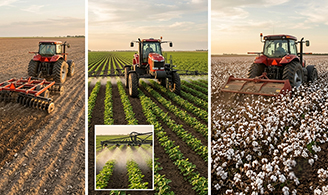
Tractors can support operations such as:
- Soil preparation
- Seedbed preparation
- Intercultivation
- Weed management
- Spraying
- Fertiliser application
- Residue management
Maintaining tractors and their implements properly ensures that farmers can complete supporting field operations efficiently before and after harvesting.
Conclusion
A cotton harvester is a significant investment for mechanised cotton production, and proper maintenance is essential for protecting that investment. Regular cleaning, inspection, lubrication, component checks, and timely servicing can help maintain harvesting performance and reduce unexpected breakdowns.
Farmers should pay particular attention to harvesting components, belts, chains, bearings, hydraulic systems, cooling systems, and areas where cotton residue can accumulate. Common problems such as excessive cotton loss, blockages, overheating, uneven harvesting, and high fuel consumption should be addressed promptly rather than ignored.
For successful cotton farming, machine maintenance should be viewed as an ongoing process rather than a one-time activity. By following the manufacturer's maintenance schedule and operating the cotton harvesting machine according to recommended settings, farmers can improve harvesting efficiency, reduce downtime, and maintain better crop-handling performance. Combined with well-maintained tractors and tractor implements, reliable harvesting machinery can contribute significantly to a more efficient and productive farming operation.
Recent Articles
Tag Cloud
Connect With Us

Sep 29, 2026
Sep 29, 2026

You May Also Like
- Read More
 Which is the Best Tractor for Farming in India?
Farming tractors are the essential companions of farmers; these robust machines help them work...
- Read More
 Choosing the Right Tractor for Groundnut Farming
Groundnut, or peanut, is grown in five states of India, namely Andhra Pradesh, Gujarat, Tamil Nadu, Karnataka, Rajasthan and Maharashtra.
- Read More
 Mahindra’s Tractor’s Potato Farming Guide
Paddy farming is one of India’s most prevalent farming methods that use small, flooded fields to cultivate rice.
- Read More
 Why Buy a Mahindra 275 DI XP Plus Tractor: Mileage, Features & Specs
The Indian Tractor market is unique—farmers are looking for an all-rounder tractor that satisfies all their needs while being affordable and powerful. One such tractor that meets the demands of Indian farmers is the Mahindra 275


 Not happy
 Could be better
 It's okay
 Good
Good Excellent