


Post-Harvest Management: How to Reduce Crop Losses After Harvest
Oct 30, 2026 | 5 Mins Read


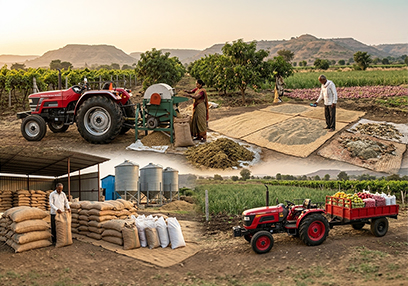
Table of Content
Post-harvest management is the set of practices used to protect a crop after it is ready for harvest until it reaches the buyer or is used on the farm. For farmers, effective post-harvest management can reduce avoidable crop losses, maintain grain or produce quality, improve market value, and make every season’s hard work count for more.
What Is Post-Harvest Management?
Post-harvest management covers every activity that takes place after harvesting, including handling, threshing, cleaning, drying, grading, packing, storing, transporting, and marketing agricultural produce. Its purpose is simple: keep the harvested crop safe, clean, and saleable for as long as needed.
The process varies by crop. Cereals such as wheat, paddy, maize, and pulses require careful threshing, drying, and storage. Fruits and vegetables need gentle handling, sorting, packing, and timely movement because they are more perishable. Oilseeds, spices, and fodder also require crop-specific storage and moisture control.
Post-harvest losses can happen through:
- Grain spillage during harvesting, threshing, or transport
- Breakage caused by unsuitable machinery settings or rough handling
- Pest, insect, rodent, or bird damage during storage
- Mold growth due to excess moisture
- Quality deterioration from delayed drying or poor ventilation
- Damage to fruits and vegetables from heat, compression, or unsuitable packaging
Good post-harvest management begins before the crop is cut. Farmers should plan the harvest date, labor, machinery, drying area, storage space, and transport route in advance. Harvesting at the right maturity stage and avoiding wet-weather harvesting, where possible, are two important first steps toward preserving crop quality.
Where Crop Losses Occur and How Farmers Can Prevent Them
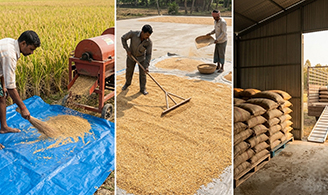
Crop losses often occur at multiple points rather than in one single stage. Identifying these points helps farmers choose practical improvements without changing their entire farming system at once.
1. During harvesting and threshing
Harvesting too early may result in immature grains or produce with lower quality. Harvesting too late can increase shattering, lodging, pest damage, or weather-related losses. The crop should be harvested at the maturity stage suitable for its intended use and local conditions.
Threshing must also be done carefully. Incorrect machine speed, poor adjustment, or over-dry crop material can cause grain breakage. Farmers should inspect threshing equipment, use suitable settings for the crop, and collect grain on a clean surface to reduce contamination and spillage.
2. During drying and cleaning
Drying is one of the most important steps in post-harvest management. Grain stored with excess moisture may develop mold, heating, discoloration, or insect infestation. Produce should be dried evenly and protected from unexpected rain, dust, animals, and contamination.
After drying, cleaning removes straw, stones, damaged grains, dust, and other foreign material. Clean produce is easier to grade, stores better, and is more likely to meet buyer requirements. Sorting damaged fruits and vegetables early can also prevent spoilage from spreading to healthy produce.
3. During storage and transport
Storage areas should be clean, dry, protected from pests, and checked regularly. Bags should not be placed directly on damp floors or pushed tightly against walls. Keeping produce raised from the ground and allowing air movement can help maintain better storage conditions.
For transport, use clean bags, crates, or containers appropriate for the crop. Fruits and vegetables should be protected from crushing and excessive heat. A well-planned route and timely delivery can help preserve freshness and reduce deterioration before the crop reaches the market.
Machinery and Farm Practices That Support Post-Harvest Management
The right equipment can make post-harvest work faster, more consistent, and less labor-intensive. Machinery should be selected according to crop type, farm size, field conditions, available labor, and the operations required after harvest.
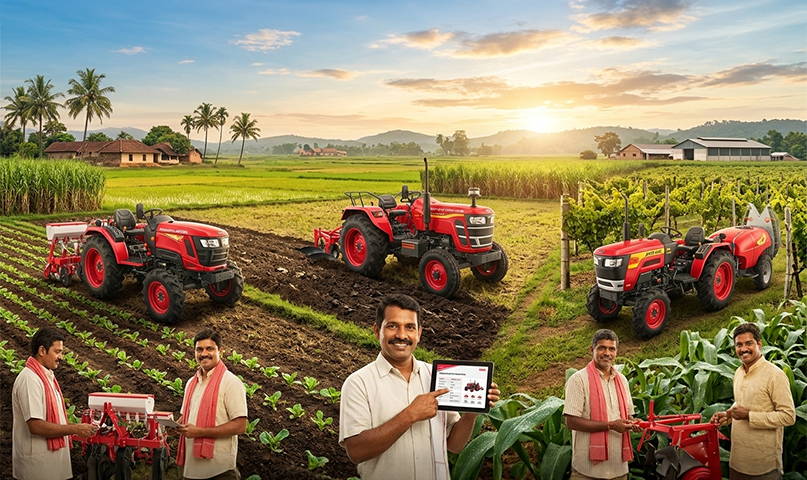
Tractors for farming play an important role beyond primary tillage and field preparation. A tractor can support harvesting-related transport, operate compatible equipment, move harvested produce, and help manage crop residues. Matching tractor power and implement requirements is important for safe, efficient operation.
Useful tractor implements and equipment may include:
| Farm requirement | Equipment or practice to consider |
|---|---|
| Moving harvested crops | Tractor trailer or suitable transport attachment |
| Separating grain from crop material | Thresher or crop-appropriate threshing equipment |
| Cleaning produce | Winnowing, cleaning, or grading equipment |
| Managing crop residues | Mulcher, shredder, baler, or other suitable residue-management equipment |
| Preparing a clean drying area | Leveling and maintaining a suitable farm surface |
| Handling stored produce | Clean bags, pallets, bins, and pest-control measures |
Crop residue management also connects post-harvest work with conservation agriculture. Instead of burning residues, farmers may consider retaining, mulching, baling, or incorporating them according to their crop plan, soil needs, and local guidance. Residue can be valuable for fodder, composting, mulching, or improving soil organic matter.
Mahindra Tractors offers tractors and farm mechanisation solutions designed for varied agricultural operations. Farmers can consult an authorized dealer to understand tractor and implement compatibility for their crops, acreage, and operational requirements.
Building a Practical Post-Harvest Plan for Your Farm
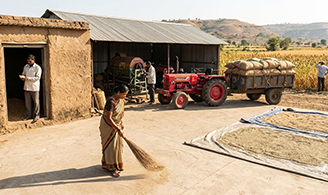
A practical post-harvest plan does not need to be complicated. It should focus on the stages where your farm faces the greatest risk of crop loss, whether that is delayed harvesting, insufficient drying space, poor storage, or transport damage.
Start by reviewing the previous season. Note where grain was spilled, where produce spoiled, how long drying took, and whether storage pests were found. This record can help prioritize investments and changes for the next crop cycle.
A simple farm plan may include the following steps:
- Estimate harvest timing. Monitor crop maturity and weather forecasts as harvest approaches.
- Prepare machinery early. Inspect tractors, trailers, threshers, and other equipment before the busy period begins.
- Clean drying and storage areas. Remove old residues, dust, spoiled material, and possible pest sources.
- Arrange labor and transport. Avoid leaving harvested crops exposed in the field due to delays.
- Dry, clean, and grade promptly. Separate poor-quality produce before storage or sale.
- Inspect stored crops regularly. Check for moisture, insects, rodents, mold, bag damage, and unusual odor.
- Plan market movement. Know where and when the crop will be sold, processed, or transported.
Small improvements at each stage can protect both crop quantity and quality. Strong post-harvest management helps farmers reduce waste, improve saleable output, and make better use of land, labor, machinery, and inputs.
Key takeaways
- Post-harvest management protects crops from harvest through storage, transport, and sale.
- Timely harvesting, proper drying, cleaning, and pest-safe storage are essential for reducing crop losses.
- Tractors and tractor implements can support transport, threshing, residue management, and other post-harvest tasks.
- A crop-specific plan helps farmers identify and address the stages where losses occur most often.
- Managing residues responsibly can support conservation agriculture and improve overall farm efficiency.
Frequently asked questions
1. What are the main stages of post-harvest management?
The main stages are harvesting, threshing or separation, cleaning, drying, grading, packaging, storage, transport, and marketing. The exact process depends on whether the crop is grain, pulse, oilseed, fruit, vegetable, or fodder.
2. Why is drying important after harvest?
Drying reduces excess moisture that can lead to mold, insects, heating, and grain deterioration during storage. Crops should be dried appropriately for their type and storage period.
3. How can farmers reduce storage losses?
Farmers can reduce storage losses by cleaning the storage area, using dry produce, keeping bags raised from the floor, monitoring for pests, and checking stored crops regularly. Damaged or infested produce should be separated promptly.
4. Can a tractor be used for post-harvest work?
Yes. A tractor can support post-harvest operations such as transporting crops, operating compatible equipment, moving materials, and managing crop residues. The suitable tractor and implements depend on farm size and crop requirements.
5. What is the connection between post-harvest management and conservation agriculture?
Post-harvest management includes responsible handling of crop residues. Retaining, mulching, baling, or using residues productively instead of burning them can support conservation agriculture practices and help protect soil health.
Recent Articles
Tag Cloud
Connect With Us

Oct 30, 2026
Oct 30, 2026

You May Also Like
- Read More
 Which is the Best Tractor for Farming in India?
Farming tractors are the essential companions of farmers; these robust machines help them work...
- Read More
 Choosing the Right Tractor for Groundnut Farming
Groundnut, or peanut, is grown in five states of India, namely Andhra Pradesh, Gujarat, Tamil Nadu, Karnataka, Rajasthan and Maharashtra.
- Read More
 Mahindra’s Tractor’s Potato Farming Guide
Paddy farming is one of India’s most prevalent farming methods that use small, flooded fields to cultivate rice.
- Read More
 Why Buy a Mahindra 275 DI XP Plus Tractor: Mileage, Features & Specs
The Indian Tractor market is unique—farmers are looking for an all-rounder tractor that satisfies all their needs while being affordable and powerful. One such tractor that meets the demands of Indian farmers is the Mahindra 275


 Not happy
 Could be better
 It's okay
 Good
 Excellent