


Potato Harvesting Machines: How to Choose, Use & Maintain Them
Sep 23, 2026 | 5 Mins Read


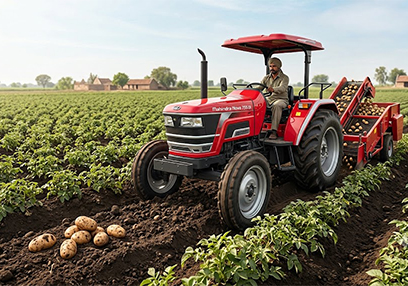
Table of Content
Potato harvesting is one of the most labour-intensive stages of potato farming. After months of preparing the soil, planting seed potatoes, irrigating the crop, and managing weeds and pests, farmers need to harvest the crop quickly and carefully to minimise losses. Traditional harvesting methods often depend heavily on manual labour, which can increase costs and take considerable time. Modern potato harvesting machines offer an efficient solution by helping farmers dig, lift, separate, and collect potatoes with less manual effort.
A well-selected potato harvester can improve harvesting efficiency, reduce crop damage, and help farmers complete harvesting within the ideal window. However, choosing the right machine, operating it correctly, and following regular maintenance practices are essential for getting the best performance and longer service life.
What Is a Potato Harvester?
A potato harvester is an agricultural machine designed to remove potatoes from the soil and separate them from soil, stones, vines, and other field residues. Depending on the machine type, potatoes may be lifted from the soil and deposited in rows for manual collection or transferred directly into a collection system.
A potato digger is generally a simpler harvesting implement that loosens the soil and lifts potatoes to the surface. These machines can be particularly useful for small and medium-sized farms where farmers want to reduce manual digging while keeping harvesting operations relatively simple.
Many modern harvesting solutions can be attached to tractors and powered through the tractor's PTO or other mechanical systems. This makes them a practical part of a mechanised farming system.
Why Use Machines for Potato Harvesting?
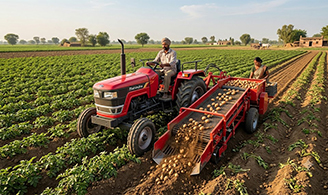
Mechanisation can offer several advantages during potato harvesting. The most important benefit is reduced dependence on manual labour. With labour availability becoming a challenge during peak agricultural seasons, machinery can help farmers complete harvesting operations more efficiently.
A suitable potato harvester can also provide:
- Faster harvesting over large areas
- Reduced manual digging and lifting
- Lower labour requirements
- More consistent harvesting depth
- Improved field productivity
- Better handling of harvested potatoes
- Reduced physical effort for farm workers
However, machinery must be operated carefully. Excessive digging depth, improper machine settings, high operating speeds, or unsuitable soil conditions can result in bruising, cuts, or missed potatoes.
How to Choose the Right Potato Harvesting Machine
Choosing a potato digger or harvester should depend on the size of your farm, tractor specifications, soil type, crop conditions, and harvesting requirements. Farmers should consider the following factors before purchasing or renting a machine.
1. Farm Size
For small farms, a simple potato digger may provide sufficient performance without unnecessary complexity. For larger farms, farmers may benefit from higher-capacity harvesting equipment capable of covering more acreage in less time.
Selecting machinery according to farm size helps avoid both under-utilisation and excessive investment.
2. Tractor Compatibility
If you are choosing a tractor-operated potato harvesting machine, check whether your tractor has adequate horsepower, PTO specifications, hydraulic capacity, and suitable hitch compatibility.
The implement should match the tractor rather than simply selecting the largest available machine. Proper tractor-implement matching improves fuel efficiency, performance, and operational safety.
3. Soil Type
Soil conditions have a major effect on harvesting performance. Sandy, loamy, and heavy soils behave differently during digging and separation.
A machine suitable for lighter soil may require different settings when used in heavier or moist soil. Farmers should therefore select agricultural implements designed for their specific field conditions and adjust operating depth and speed accordingly.
4. Harvesting Capacity
Consider how much land needs to be harvested during the available harvesting window. A higher-capacity machine can be useful for commercial potato farming , while smaller machines may be more economical for limited acreage.
5. Crop Handling
Potatoes are susceptible to mechanical damage. Look for machines designed to lift and handle tubers gently. Proper screening and separation systems can help remove soil while reducing unnecessary impact on potatoes.
How to Use a Potato Harvester Effectively
Even the best machine will not perform efficiently if it is incorrectly operated. Before starting work, inspect the machine and ensure that all components are properly secured.
First, check the digging components, belts, chains, bearings, guards, and other moving parts. Make sure the machine is correctly attached to the tractor and that PTO and hydraulic connections, where applicable, are secure.
Next, adjust the digging depth according to the potato crop and soil condition. The implement should go deep enough to lift the tubers without unnecessarily disturbing excessive soil.
Operating speed is equally important. Excessive speed can reduce separation efficiency and increase the possibility of potato damage. Start at a moderate speed and adjust according to field conditions.
Farmers should also monitor the harvested potatoes during the first few passes. Check for missed tubers, excessive soil, cuts, bruises, or damaged potatoes. If necessary, adjust machine depth, speed, or other settings before continuing across the field.
Also Read: Features of A Potato Planter
Maintenance Tips for Potato Harvesting Machines
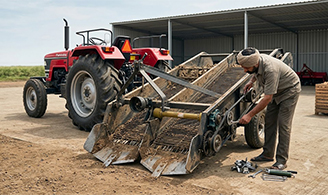
Regular maintenance is essential for keeping agricultural machinery productive and reliable. A potato harvesting machine works in soil and dusty field conditions, making cleaning and inspection particularly important.
1.Clean the Machine After Every Use
Remove soil, plant residues, and debris from the digging and separation components after completing harvesting. Accumulated soil can affect machine performance and contribute to premature wear.
2. Inspect Wearing Parts
Components such as digging blades, shares, belts, chains, sieves, and bearings can experience significant wear during harvesting. Inspect them regularly and replace damaged or excessively worn parts.
3. Lubricate Moving Components
Follow the manufacturer's lubrication schedule. Proper lubrication can reduce friction and wear in bearings, chains, shafts, and other moving components.
4. Check Fasteners and Connections
Vibration during field operations can loosen nuts, bolts, and other fasteners. Inspect important connections periodically and tighten them according to the manufacturer's recommendations.
5. Store the Machine Properly
At the end of the harvesting season, clean and dry the machine thoroughly before storage. Keep it in a covered, dry location where possible. Protecting the machine from moisture and unnecessary exposure to weather can help extend its service life.
6. Common Mistakes to Avoid
Farmers can improve harvesting results by avoiding a few common mistakes. Using an incorrectly matched tractor and implement can reduce efficiency and increase fuel consumption. Operating too quickly can result in poor soil separation and crop damage.
Another common mistake is ignoring maintenance until a breakdown occurs. Replacing worn components before they fail can reduce unexpected downtime during the critical harvesting period.
Farmers should also avoid using harvesting equipment in unsuitable field conditions. Extremely wet or excessively hard soil can affect digging efficiency and increase the load on the machine.
The Role of Mechanisation in Potato Farming
Mechanisation is becoming increasingly important in modern potato farming. From land preparation and planting to interculture and harvesting, the right agricultural implements can help farmers improve productivity while reducing dependence on manual labour.
A potato harvesting machine is particularly valuable because harvesting is time-sensitive. Delays can affect crop quality, field planning, labour availability, and subsequent farming operations. Mechanised harvesting allows farmers to cover larger areas efficiently and make better use of available labour.
Conclusion
Choosing the right potato harvester or potato digger can make a significant difference to harvesting efficiency and farm productivity. Farmers should consider farm size, soil type, tractor compatibility, machine capacity, crop handling, and maintenance requirements before making a decision.
Once selected, the machine should be operated at the appropriate speed and depth and regularly inspected for wear and damage. Cleaning, lubrication, timely replacement of worn parts, and proper storage can further improve reliability and service life.
With the right combination of machinery, operating practices, and maintenance, farmers can make potato harvesting faster, more efficient, and less dependent on manual labour. As agricultural mechanization continues to develop, suitable agricultural implements will remain an important part of improving productivity and profitability in modern potato farming.
Recent Articles
Tag Cloud
Connect With Us

Sep 23, 2026
Sep 29, 2026

You May Also Like
- Read More
 Which is the Best Tractor for Farming in India?
Farming tractors are the essential companions of farmers; these robust machines help them work...
- Read More
 Choosing the Right Tractor for Groundnut Farming
Groundnut, or peanut, is grown in five states of India, namely Andhra Pradesh, Gujarat, Tamil Nadu, Karnataka, Rajasthan and Maharashtra.
- Read More
 Mahindra’s Tractor’s Potato Farming Guide
Paddy farming is one of India’s most prevalent farming methods that use small, flooded fields to cultivate rice.
- Read More
 Why Buy a Mahindra 275 DI XP Plus Tractor: Mileage, Features & Specs
The Indian Tractor market is unique—farmers are looking for an all-rounder tractor that satisfies all their needs while being affordable and powerful. One such tractor that meets the demands of Indian farmers is the Mahindra 275


 Not happy
 Could be better
 It's okay
 Good
Good Excellent