


Tractor Loan vs Cash Purchase: Which is Right for Farmers?
Jul 28, 2026 | 5 Mins Read


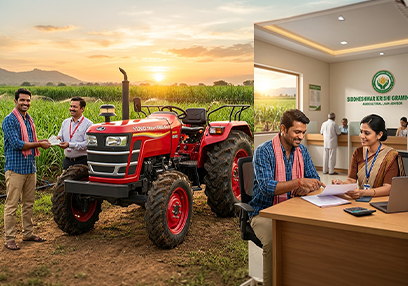
Table of Content
- Why tractor ownership matters
- Understanding tractor cash purchase
- Advantages of cash purchase
- Disadvantages of cash purchase
- Understanding tractor loans
- Tractor loan benefits for farmers
- Tractor loan vs cash purchase: Key comparison
- When is cash purchase the better option?
- When is a tractor loan the better option?
- Popular tractor financing options India
- Factors to consider before deciding
- Conclusion
Buying a tractor is one of the most important investments a farmer can make. A tractor not only improves productivity but also helps reduce labor dependency, complete operations on time, and increase overall farm efficiency. However, when it comes to purchasing a tractor, farmers often face a crucial decision: should they pay the entire amount upfront or opt for a tractor loan?
The debate around tractor loan vs cash purchase is common among farmers across India. While some prefer the financial freedom of owning a tractor without debt, others choose financing to preserve working capital and maintain cash flow. The right choice depends on factors such as farm size, income stability, financial goals, and future investment plans.
In this blog, we will compare both options in detail, explore available tractor financing options India, and help farmers determine which purchasing method best suits their needs.
Why tractor ownership matters
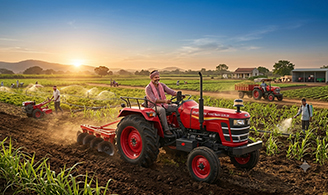
Modern agriculture depends heavily on mechanization. Tractors are used for ploughing, tilling, sowing, spraying, hauling, harvesting, and operating various farm implements. Owning a tractor provides several advantages:
- Improved operational efficiency
- Timely completion of agricultural activities
- Reduced labor costs
- Increased productivity
- Additional income opportunities through rental services
Given the significant investment involved, choosing between a tractor loan and a cash purchase becomes an important financial decision.
Understanding tractor cash purchase

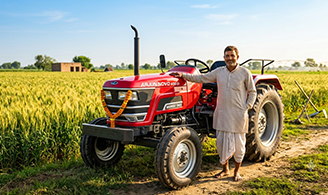
A cash purchase means paying the entire cost of the tractor upfront without borrowing money from a financial institution.
For example, if a tractor costs ₹8 lakh, the farmer pays the full amount at the time of purchase and becomes the outright owner immediately.
Advantages of cash purchase
1. No interest costs
One of the biggest benefits of a cash purchase is avoiding interest payments. The total cost remains limited to the purchase price, which can result in substantial savings over time.
2. Immediate ownership
The tractor belongs entirely to the farmer from day one. There are no loan agreements, repayment schedules, or lender obligations.
3. No Monthly EMIs
Farmers do not have to worry about monthly installments, which can reduce financial pressure during periods of fluctuating agricultural income.
4. Simpler documentation
Cash purchases generally involve less paperwork compared to financing arrangements.
Disadvantages of cash purchase
1. Significant capital requirement
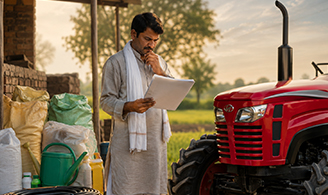
Purchasing a tractor outright requires a large amount of money. This can reduce funds available for seeds, fertilizers, irrigation, labor, and other farm expenses.
2. Reduced liquidity
Using savings for a tractor may leave farmers with limited financial flexibility to handle emergencies or invest in future opportunities.
3. Opportunity cost
The money spent on a tractor could potentially be invested elsewhere to generate returns or support farm expansion.
These factors often lead farmers to consider a tractor loan as an alternative.
Understanding tractor loans

A tractor loan allows farmers to purchase a tractor by borrowing money from banks, non-banking financial companies (NBFCs), cooperative institutions, or rural financing organizations.
The farmer typically pays a small down payment and repays the remaining amount through monthly, quarterly, or seasonal installments over a specified period.
Today, numerous tractor financing options India are available, making tractor ownership accessible even for farmers who may not have sufficient cash reserves.
Tractor loan benefits for farmers
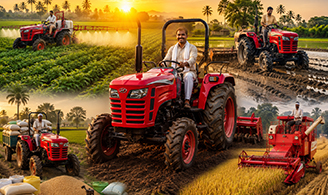
There are several tractor loan benefits for farmers that make financing an attractive option.
1. Preserves working capital
One of the most important tractor loan benefits for farmers is the ability to retain cash for operational needs.
Instead of spending all available savings on a tractor, farmers can continue investing in:
- Seeds
- Fertilizers
- Crop protection products
- Irrigation systems
- Labor costs
Maintaining liquidity helps ensure smooth farm operations throughout the agricultural cycle.
2. Easier access to modern equipment
A tractor loan enables farmers to purchase better-equipped or higher-capacity tractors that may otherwise be unaffordable through cash purchase.
This can improve productivity and long-term profitability.
3. Flexible repayment options
Many lenders offer repayment schedules aligned with agricultural income cycles.
Farmers may choose:
- Monthly installments
- Quarterly payments
- Seasonal repayments linked to harvest income
Such flexibility makes tractor financing options India particularly suitable for the agricultural sector.
4. Opportunity for farm expansion
Instead of exhausting savings, farmers can allocate funds toward land development, irrigation improvements, livestock, or additional equipment while repaying the loan gradually.
5. Building credit history
Timely repayment of a tractor loan helps establish a positive credit profile, which may improve access to future agricultural financing.
6. Disadvantages of tractor loans
While financing offers many advantages, it also comes with certain drawbacks.
7. Interest costs
The most obvious disadvantage is the interest charged on the loan.
Over time, the total amount paid may be significantly higher than the tractor's original purchase price.
8. Repayment obligations
Regardless of weather conditions, crop performance, or market prices, loan installments must be paid according to schedule.
This can create financial pressure during difficult agricultural seasons.
9. Documentation requirements
Obtaining a tractor loan usually requires documentation related to:
- Identity proof
- Address proof
- Land ownership records
- Income details
- Bank statements
Although financing processes have become simpler, paperwork still remains an important consideration.
10. Risk of default
Failure to repay the loan can affect credit scores and, in some cases, lead to recovery actions by lenders.
Tractor loan vs cash purchase: Key comparison

1. Initial financial impact
Cash purchase:
Requires a large upfront investment.
Tractor loan:
Requires only a down payment and manageable installments.
When comparing tractor loan vs cash purchase, financing generally places less immediate strain on finances.
2. Long-term cost
Cash purchase:
Usually less expensive because there are no interest charges.
Tractor loan:
Total cost increases due to interest payments.
From a purely financial perspective, cash purchases often have a lower overall cost.
3. Liquidity and cash flow
Cash purchase:
Reduces available cash reserves.
Tractor loan:
Preserves working capital for other farming activities.
This is one of the major tractor loan benefits for farmers operating in cash-intensive agricultural environments.
4. Financial flexibility
Cash purchase:
May limit future investment opportunities.
Tractor loan:
Allows farmers to spread costs over several years while pursuing other farm improvements.
5. Risk Management
Cash purchase:
No repayment obligations.
Tractor loan:
Requires consistent repayments regardless of farming outcomes.
Farmers should carefully assess their income stability before choosing financing.
Also Read: Kisan Credit Card Scheme: Guide to Eligibility, Application and Benefits
When is cash purchase the better option?

A cash purchase may be suitable if:
- The farmer has substantial savings.
- Emergency funds remain available after purchase.
- There is no need for additional borrowing.
- The farmer wants to avoid interest payments.
- Future cash flow requirements are minimal.
In such situations, paying cash can reduce overall ownership costs and eliminate debt-related concerns.
When is a tractor loan the better option?

A tractor loan may be the right choice if:
- Preserving cash flow is important.
- The farmer plans to invest in other farm improvements.
- Agricultural income is stable enough to support repayments.
- Financing terms are favorable.
- The tractor is expected to generate additional income through custom hiring or rental services.
For many farmers, the tractor loan benefits for farmers outweigh the additional interest costs because the tractor begins contributing to productivity immediately while capital remains available for other needs.
Popular tractor financing options India

Today, farmers have access to a wide range of tractor financing options India, including:
1. Commercial banks
Public and private sector banks offer agricultural tractor loans with competitive interest rates and flexible repayment terms.
2. Cooperative banks
Cooperative institutions often provide financing tailored to local farming communities.
3. Regional rural banks
These banks focus specifically on rural and agricultural development and frequently offer farmer-friendly loan products.
4. Non-Banking Financial Companies (NBFCs)
NBFCs may provide quicker approvals and simpler eligibility requirements compared to traditional banks.
5. Manufacturer financing programs
Many tractor manufacturers partner with financial institutions to offer attractive financing schemes, low down payments, and customized repayment options.
Factors to consider before deciding
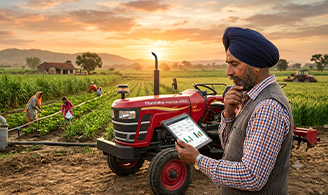
Before choosing between tractor loan vs cash purchase, farmers should evaluate:
- Current savings and cash reserves
- Annual farm income
- Existing debt obligations
- Future investment plans
- Emergency financial needs
- Interest rates and loan terms
- Expected return from tractor ownership
Conducting a thorough financial assessment can help identify the most suitable purchasing strategy.
Conclusion
The decision between a tractor loan and a cash purchase depends largely on a farmer's financial situation, business goals, and operational requirements. A cash purchase eliminates interest costs and provides immediate ownership, making it ideal for farmers with sufficient savings and strong liquidity.
On the other hand, the numerous tractor loan benefits for farmers, including preserved cash flow, flexible repayment options, and easier access to modern equipment, make financing an attractive solution for many agricultural businesses.
As various tractor financing options in India continue to expand, farmers now have greater flexibility than ever before. Rather than focusing solely on the purchase price, it is important to consider long-term financial health, productivity gains, and future growth opportunities.
Ultimately, when evaluating tractor loan vs cash purchase, the best choice is the one that supports both immediate farming needs and long-term agricultural success.
Recent Articles
Tag Cloud
Connect With Us

Jul 28, 2026
Jul 29, 2026

You May Also Like
- Read More
 Which is the Best Tractor for Farming in India?
Farming tractors are the essential companions of farmers; these robust machines help them work...
- Read More
 Choosing the Right Tractor for Groundnut Farming
Groundnut, or peanut, is grown in five states of India, namely Andhra Pradesh, Gujarat, Tamil Nadu, Karnataka, Rajasthan and Maharashtra.
- Read More
 Mahindra’s Tractor’s Potato Farming Guide
Paddy farming is one of India’s most prevalent farming methods that use small, flooded fields to cultivate rice.
- Read More
 Why Buy a Mahindra 275 DI XP Plus Tractor: Mileage, Features & Specs
The Indian Tractor market is unique—farmers are looking for an all-rounder tractor that satisfies all their needs while being affordable and powerful. One such tractor that meets the demands of Indian farmers is the Mahindra 275


 Not happy
 Could be better
 It's okay
 Good
Good Excellent