


Tractor Tyre Retreading: Pros, Cons, Costs & Is It Worth It?
Oct 29, 2026 | 5 Mins Read


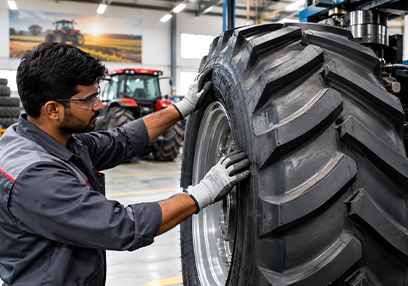
Table of Content
Tractor tyre retreading can reduce replacement costs when the tyre casing is still structurally sound and the work is performed by a qualified retreader. However, it is not the right solution for every farming tractor or every stage of tractor maintenance. The decision should depend on tyre condition, operating load, field terrain, road travel, and safety requirements—not price alone.
Tractor maintenance: what tyre retreading involves and when it may work
Tyre retreading is the process of removing the remaining worn tread from a used tyre and applying a new tread layer to the existing casing. The purpose is to give the tyre a usable tread pattern again without buying a completely new tyre.
For a farming tractor, the casing is the most important factor. It includes the tyre’s internal structure, sidewalls, bead area, and reinforcing layers. If this structure remains in good condition, a retread may be considered. If it has serious damage, retreading will not restore its original strength or make it safe.
A professional retreader should inspect the tyre before accepting it. The inspection may identify concerns such as:
- Deep sidewall cuts, cracks, or exposed cords
- Bead damage that prevents secure mounting on the rim
- Bulges, separations, or signs of internal failure
- Multiple old repairs or substantial puncture damage
- Uneven wear caused by incorrect inflation, wheel alignment, or mechanical issues
- Deterioration caused by age, sun exposure or chemical contact
Retreading is generally more practical for tyres that wear mainly at the tread surface while retaining a healthy carcass. In agricultural applications, rear tractor tyres may be candidates because they are larger and represent a significant replacement expense. Yet suitability varies by usage. A tractor operating on dry, level soil under moderate loads places different demands on tyres than one carrying heavy implements, working on slopes, or frequently travelling on paved roads.
Before deciding, inspect all tyres as part of routine tractor maintenance. Check tread depth, cracks, air pressure, valve condition, wheel-rim condition, and evidence of uneven wear. Also identify the cause of premature wear. A retread will not solve an underlying issue such as wrong inflation pressure, overloaded operation, poor ballast management, or worn steering and suspension components.
Pros and cons of retreading tractor tyres
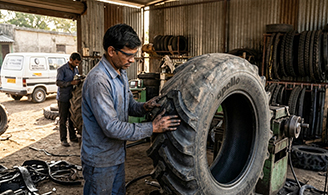
The main advantage of retreading is cost control. A quality retread can be less expensive than a new tyre, particularly for large rear tyres. It can also help extend the useful life of a serviceable casing and reduce the number of tyres discarded before their structural life is fully used.
For farmers managing seasonal expenses, this can make retreading an option worth evaluating. Instead of delaying a tyre replacement until traction becomes poor, a farm may restore tread at a lower immediate cost—provided the casing passes inspection.
Potential advantages
- Lower upfront spending: Retreading may cost less than purchasing a comparable new tyre.
- Restored traction: A suitable agricultural tread pattern can improve grip in soil, helping reduce wheel slip.
- Resource efficiency: Using a structurally sound casing again can reduce waste.
- Useful for controlled conditions: Retreaded tyres may be appropriate for tractors operating at moderate speeds and within recommended load limits.
- Short-term budget flexibility: It may help spread equipment expenses across the season.
Important limitations and risks
Retreading does not make an old tyre equivalent to a new tyre. The casing has already experienced years of loading, flexing, heat, sunlight, and possible impact damage. Its remaining life may be difficult to predict, especially when maintenance history is unknown.
A poor-quality retread or an unsuitable casing can lead to tread separation, air loss, vibration, reduced traction, or tyre failure. These risks can affect tractor safety, especially during road transport, loader work, operation on slopes, or use with heavy implements.
Retreads may also provide less predictable performance on wet roads or hard surfaces than a new tyre with a purpose-built tread and fresh carcass. If a tractor regularly moves between fields on public roads, consider the effect of road speed, braking, steering response, and load transfer.
Never choose a retread solely because the tractor tyre price is lower. A failed tyre can cause downtime during critical sowing or harvesting windows, damage the rim, and create avoidable safety risks. For front steering tyres, tyres used with a front-end loader, or tyres with visible casing damage, replacement with a suitable new tyre is often the more cautious choice.
Retreading costs, buying decisions and safer tyre management
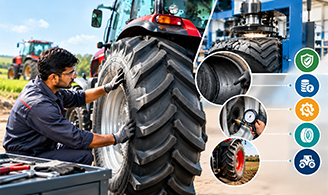
There is no single retreading cost for tractor tyres. The final amount depends on tyre size, casing condition, tread design, local labour rates, the retreader’s process, and whether repairs are needed before a new tread is applied. A larger agricultural tyre may offer greater potential savings in rupee terms, but it may also require more careful inspection and specialized work.
When comparing a retread with a new tyre, ask for a complete quote rather than comparing only the headline tractor tyre price. Include fitting, tube or tubeless repair requirements, valve replacement, rim servicing, balancing where relevant, and disposal of the old tyre. Ask whether the retreader provides a workmanship warranty and what conditions could void it.
Use this decision framework before authorizing the work:
| Question | A retread may be suitable when | Buy a new tyre when |
|---|---|---|
| Casing condition | No major sidewall, bead, or internal damage is found | Cracks, bulges, exposed cords, or structural damage are present |
| Tractor use | Mostly lower-speed field work with moderate loads | Frequent road travel, high loads, slopes, or demanding loader work are common |
| Wear pattern | Tread is worn but wear is even and the cause is understood | Wear is irregular or points to a mechanical problem |
| Service support | A reputable retreader inspects the casing and stands behind the work | No reliable inspection, warranty, or traceable process is available |
| Long-term plan | The tractor has limited seasonal use and controlled operating conditions | Maximum uptime, predictable performance, and long service life are priorities |
After fitting any tyre, monitor inflation pressure closely. Underinflation can generate excess heat and sidewall flexing, while overinflation can reduce the contact patch and contribute to rough ride, soil compaction, and uneven wear. Follow the tyre manufacturer’s load and pressure guidance for the tractor, implement, and operating conditions.
Inspect tyres before each major work period. Remove lodged stones or crop residue, look for cuts and stubble damage, and correct pressure before entering the field. Good tyre care protects traction, fuel efficiency, ride comfort, and tractor safety—whether the tyre is new or retreaded.
Also Read: How to Choose the Tractor Tyres for Different Soil Types & Conditions
Key takeaways
- Retreading can be worth considering when a tractor tyre has a sound casing and only the tread is worn.
- A professional inspection is essential; sidewall damage, bead damage, bulges, and exposed cords are warning signs.
- Retreads may reduce initial costs, but they are not automatically the best value for heavy-duty or frequent road use.
- Compare total ownership costs, including downtime risk, fitting, warranty, operating conditions, and expected tyre life.
- Regular pressure checks and tyre inspections remain essential tractor maintenance practices.
Frequently asked questions
1. Can all tractor tyres be retreaded?
No. A tyre must have a structurally sound casing to be considered for retreading. Tyres with serious sidewall damage, exposed reinforcement, bead damage, bulges, or significant internal deterioration should be replaced.
2. Are retreaded tractor tyres safe?
They can be used safely when the casing is suitable, the retreading work is completed by a qualified provider, and the tyre is operated within appropriate load and speed limits. For demanding applications, frequent road travel, or safety-critical steering positions, a new tyre may be the better choice.
3. How much does tractor tyre retreading cost?
Cost varies by tyre size, tread pattern, casing condition, repair needs, and local service rates. Request an itemized quote and compare it with the cost, warranty, and expected life of a new tyre.
4. Does retreading improve tractor traction?
A properly selected agricultural tread can restore traction when the old tyre’s lugs are worn. However, traction also depends on soil type, inflation pressure, ballast, tyre size, implement load, and correct wheel-slip management.
5. How can farmers make tractor tyres last longer?
Maintain recommended pressure, avoid overloading, inspect tyres for cuts and embedded debris, correct uneven wear promptly, and use suitable ballast. Keeping rims, valves, and steering components in good condition also helps protect tyre life.
Recent Articles
Tag Cloud
Connect With Us

Oct 29, 2026
Oct 29, 2026

You May Also Like
- Read More
 Which is the Best Tractor for Farming in India?
Farming tractors are the essential companions of farmers; these robust machines help them work...
- Read More
 Choosing the Right Tractor for Groundnut Farming
Groundnut, or peanut, is grown in five states of India, namely Andhra Pradesh, Gujarat, Tamil Nadu, Karnataka, Rajasthan and Maharashtra.
- Read More
 Mahindra’s Tractor’s Potato Farming Guide
Paddy farming is one of India’s most prevalent farming methods that use small, flooded fields to cultivate rice.
- Read More
 Why Buy a Mahindra 275 DI XP Plus Tractor: Mileage, Features & Specs
The Indian Tractor market is unique—farmers are looking for an all-rounder tractor that satisfies all their needs while being affordable and powerful. One such tractor that meets the demands of Indian farmers is the Mahindra 275


 Not happy
 Could be better
 It's okay
 Good
 Excellent